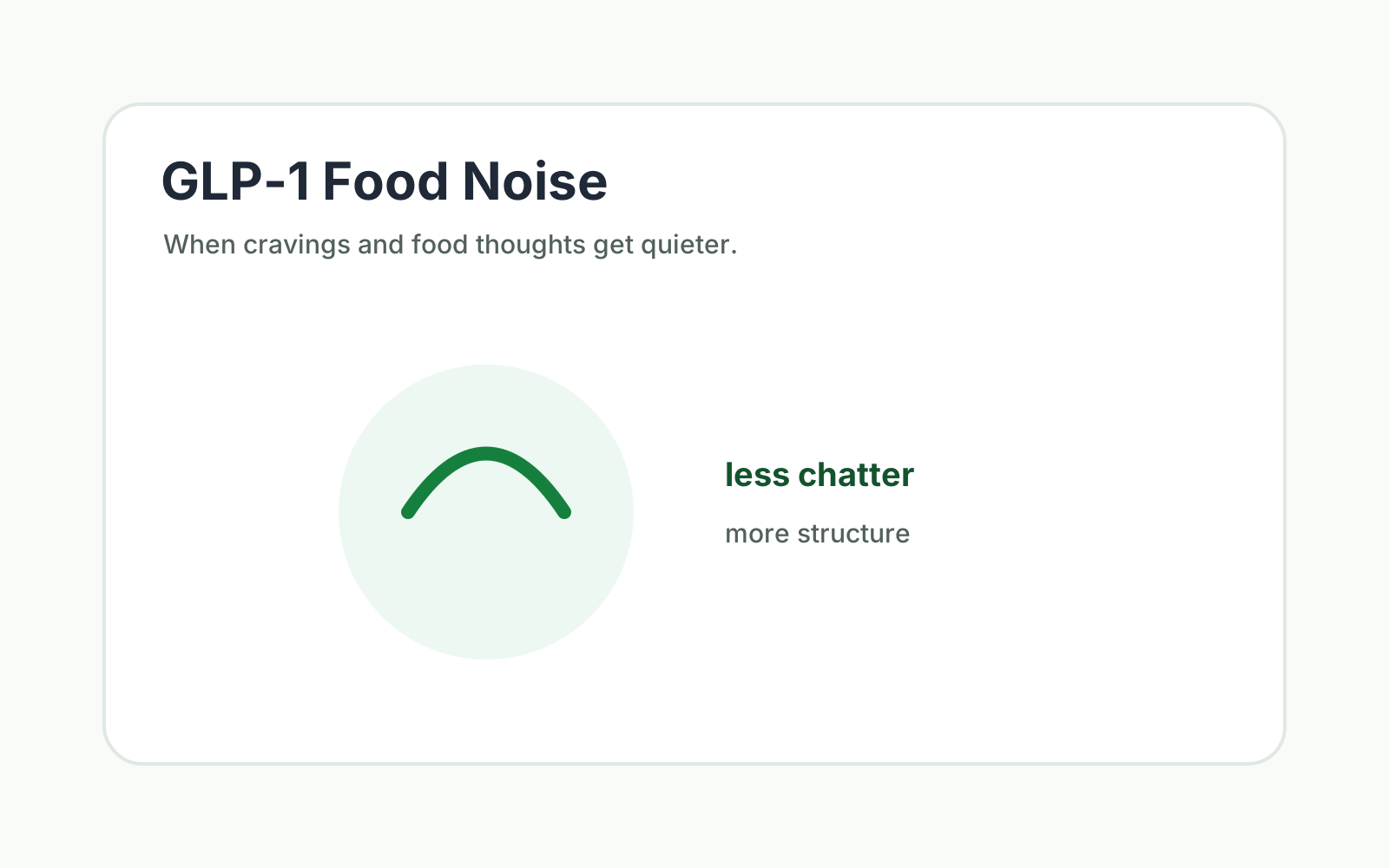
Food noise is the constant mental pull toward food: thinking about the next snack, negotiating with cravings, feeling distracted by what is in the pantry, or needing willpower all day. It is not a formal diagnosis, but it is a useful phrase because many GLP-1 users recognize the experience immediately.
Direct answer: GLP-1 medications may quiet food noise by changing hunger, fullness, gastric emptying, and reward-related eating signals. That can feel like mental relief, but it is not a complete treatment plan. The lower-noise window is the time to build protein habits, meal structure, fiber, hydration, and maintenance routines.
What Food Noise Can Feel Like
| Pattern | Example |
|---|---|
| Constant food thoughts | Thinking about food while working, driving, or trying to sleep |
| Cue-driven eating | Seeing food and feeling pulled toward it even when not hungry |
| Craving loops | Repeated internal arguments about sweets, snacks, or portions |
| Diet fatigue | Needing constant willpower to follow basic eating goals |
| Relief on medication | Food feels less urgent and easier to delay |
Why GLP-1s May Change It
GLP-1 medications do more than slow the stomach. They also interact with appetite and reward pathways that influence hunger, meal size, and food preference. That is why some people describe not just eating less, but thinking less about eating.
The important caveat is that food noise is not one thing. It can involve biology, stress, sleep, dieting history, anxiety, food insecurity, reward learning, and habit loops. Medication may help one part of the system without solving all of it.
What To Do When Food Noise Gets Quiet
Use the change deliberately:
- Put protein into the first meal you tolerate.
- Create default meals before appetite returns.
- Practice stopping at comfortable fullness.
- Keep easy high-protein foods available.
- Avoid turning low appetite into under-eating.
- Notice whether alcohol, poor sleep, or stress brings cravings back.
- Plan maintenance before the goal weight arrives.
When Quiet Food Noise Becomes Too Quiet
Call the prescriber if appetite suppression leads to very low intake, dizziness, dehydration, repeated nausea, rapid weakness, or inability to meet basic nutrition needs. "I barely eat" is not automatically a good outcome.
Internal Reading Path
FAQ
Is food noise a medical diagnosis?
No. It is a patient-friendly phrase for intrusive or persistent food-related thoughts.
Does food noise returning mean the medication failed?
Not necessarily. It may reflect dose timing, sleep, stress, alcohol, under-eating, missed doses, or a transition toward maintenance.
Should I eat only when hungry?
Not always. On GLP-1 medication, hunger can be low enough that planned protein and fluids still matter.
The GLP-1 Nutrition Filter
For GLP 1 food noise, the goal is not to create a stricter diet. The goal is to make a smaller appetite nutritionally useful. A good GLP-1 plan protects protein, fluids, fiber, micronutrients, and muscle while reducing the foods or habits that trigger side effects.
A helpful filter is to ask four questions before a meal: Where is the protein? Is the portion small enough to tolerate? Is there a fiber source that will not worsen bloating? Have fluids been steady today? If the answer is no to several of those questions, the meal may be filling but not supportive.
| Priority | Practical examples |
|---|---|
| Protein | Greek yogurt, eggs, fish, poultry, tofu, cottage cheese, beans, protein shake |
| Gentle carbs | Rice, oats, potatoes, toast, fruit, soup noodles |
| Fiber | Berries, oats, cooked vegetables, beans, chia, ground flax |
| Fluids | Water, low-sugar electrolytes, broth, non-carbonated drinks |
| Tolerance | Smaller meals, slower eating, lower-fat choices during escalation |
Small Appetite Meal Strategy
When appetite is very low, trying to eat a normal-sized meal can worsen nausea or reflux. A smaller meal schedule often works better. Think in protein anchors rather than large plates: yogurt plus fruit, eggs plus toast, soup with shredded chicken, tofu with rice, cottage cheese with berries, or a smoothie with protein and a gentle carbohydrate.
If intake is too low for several days, symptoms like fatigue, dizziness, constipation, headache, poor workouts, and hair shedding risk can become more likely. That is a reason to discuss the dose and nutrition plan, not a sign that the medication is working perfectly.
Adjustments by Side Effect
| If this is happening | Try discussing or testing |
|---|---|
| Nausea | Smaller meals, lower fat, slower eating, bland protein |
| Constipation | More fluids, gradual fiber, regular meals, movement |
| Diarrhea | Lower-fat reset, electrolytes, review sugar alcohols |
| Reflux | Earlier dinner, less carbonation, stay upright after meals |
| Fatigue | Protein, hydration, electrolytes, sleep, dose review |
Questions to Bring to the Prescriber or Pharmacist
- Does my current dose and timing match the official label or my prescription?
- Are my symptoms or concerns expected at this stage, or do they suggest changing the plan?
- Should I delay escalation, restart lower, hold steady, or be evaluated before continuing?
- Are any of my other medications increasing risk, especially insulin, sulfonylureas, blood pressure medication, diuretics, or drugs affected by delayed gastric emptying?
- What exact symptoms should make me call urgently or seek same-day care?
- If cost or supply interrupts therapy, what is the safest backup plan?
Bottom Line for GLP-1 Food Noise: What It Means When The Mental Chatter Gets Quiet
The practical answer is rarely just one number, food list, or yes-or-no rule. For GLP 1 food noise, the safest approach is to combine the direct answer with the variables that change it: product type, dose, timing, side effects, storage history, other medications, and the person's medical context. When those variables are unclear, the best next step is to ask the prescriber or pharmacist before acting.
Additional Scenarios Readers Commonly Compare
| Scenario | How to think about it |
|---|---|
| Symptoms started after a dose increase | Treat escalation as a likely contributor and ask whether to hold the dose longer |
| The plan changed because of supply | Confirm whether a restart or lower dose is safer after the gap |
| Advice online conflicts with the label | Use the label, pharmacy, and prescriber as the authority |
| The medication is compounded | Verify concentration, BUD, storage, sterility, and dose instructions directly with the pharmacy |
| The goal is maintenance | Prioritize sustainable intake, resistance training, monitoring, and follow-up |
More FAQ
Why do different websites give different answers?
Most differences come from assuming different products, concentrations, patient goals, dose histories, or risk tolerance. A chart or tip can be mathematically correct but still wrong for a specific prescription.
What information should I keep in my notes?
Keep the medication name, dose, date taken, pharmacy label, concentration if vial-based, side effects, food and fluid changes, weight trend, and any clinician instructions. This makes follow-up safer and more specific.
When is it better not to troubleshoot at home?
Do not troubleshoot at home when symptoms are severe, rapidly worsening, involve chest pain or fainting, include repeated vomiting or dehydration, suggest allergic reaction, or involve a possible dosing or storage error.