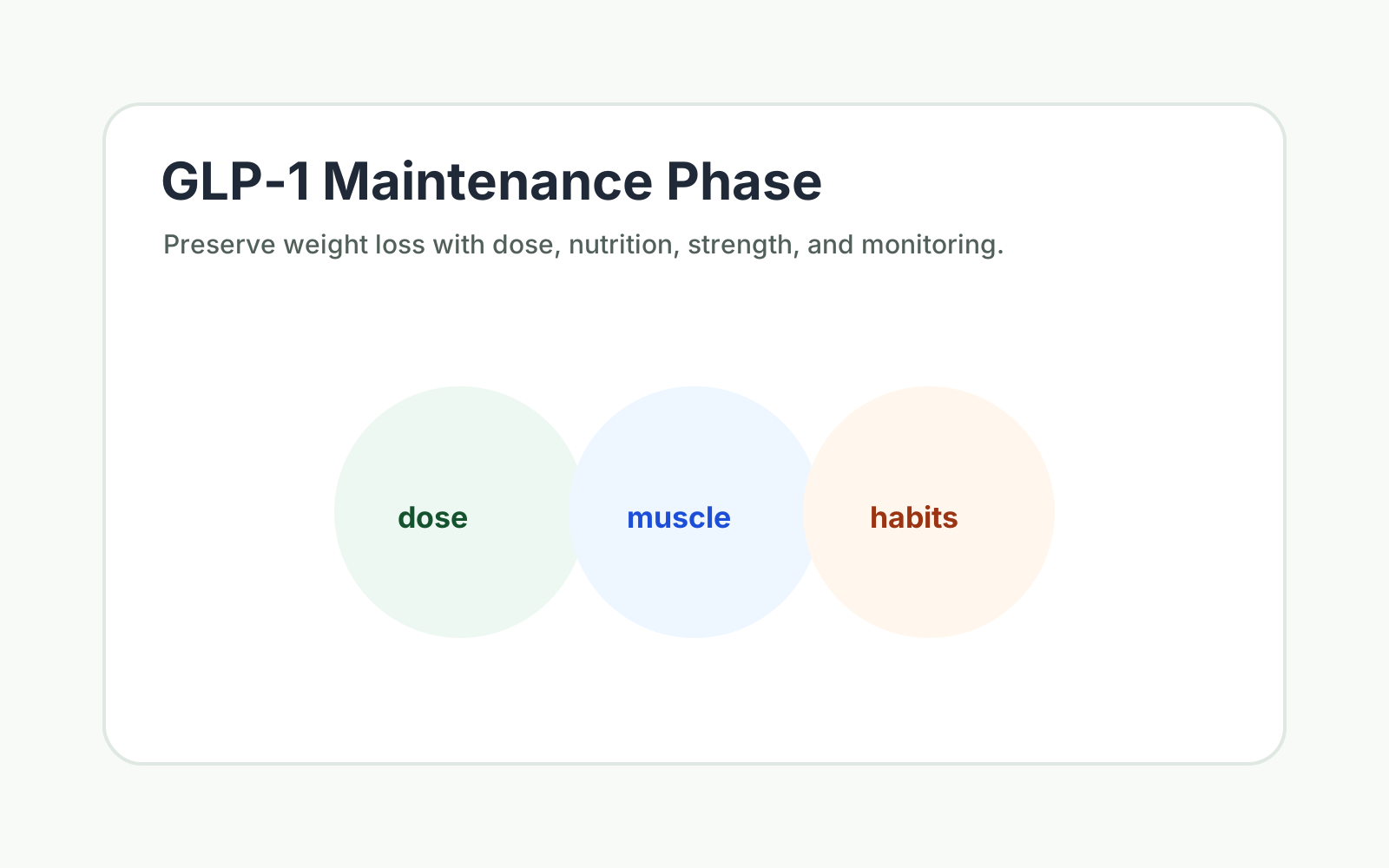
The GLP-1 maintenance phase starts when the main goal changes from losing weight to preserving health, function, and appetite control. It is not the finish line. It is a different phase of care.
Staying on treatment for the long haul also means understanding the long-term side effects of GLP-1 medications.
Direct answer: Maintenance usually requires a clinician-guided plan for medication dosage, nutrition, resistance training, weight monitoring, labs, and what to do if hunger or weight regain returns. Some people remain on a maintenance dose. Some lower the dose. Some stop and monitor closely. The wrong move is assuming weight will stay off automatically. Labeled maintenance dosages differ by drug: 2.4 mg once weekly for Wegovy, 5 mg to 15 mg once weekly for Zepbound, 3 mg once daily for Saxenda. The full table is below.
What Changes In Maintenance
| Active weight loss | Maintenance |
|---|---|
| Scale moving down is central | Stability and function matter more |
| Appetite suppression may feel strong | Appetite may normalize or return |
| Dose escalation may be the focus | Lowest effective long-term plan may be discussed |
| Under-eating can be missed | Adequate protein and calories become obvious priorities |
| Motivation is high | Routine carries the result |
What To Track
- Weight trend, not daily noise
- Waist or clothing fit
- Protein intake
- Strength and training performance
- Hunger and food noise
- Constipation, nausea, reflux, fatigue
- A1c, lipids, blood pressure, liver markers, kidney markers as appropriate
- Mental relationship with food
Maintenance Dosage by Medication
Escalation is fixed on the label. The maintenance dosage is not: most of these drugs list a range, and the number a person settles on comes down to response and tolerability. Current labeled maintenance dosages, as of August 2026:
| Medication | Labeled maintenance dosage | Label maximum | Notes |
|---|---|---|---|
| Wegovy (semaglutide injection, weight) | 2.4 mg once weekly recommended; 1.7 mg once weekly also labeled | 7.2 mg once weekly | Reached after 16 weeks of fixed escalation: 0.25, 0.5, 1, then 1.7 mg. The 7.2 mg dosage is allowed only after at least 4 weeks tolerating 2.4 mg, only in adults, and only for weight reduction |
| Wegovy tablets (oral semaglutide, weight) | 25 mg once daily | 25 mg once daily | Thirty-day steps: 1.5 mg, 4 mg, 9 mg, then 25 mg from day 91 |
| Zepbound (tirzepatide, weight) | 5 mg, 10 mg, or 15 mg once weekly | 15 mg once weekly | All three are labeled maintenance dosages. The sleep apnea indication uses 10 mg or 15 mg |
| Mounjaro (tirzepatide, type 2 diabetes) | 5 mg to 15 mg once weekly | 15 mg once weekly | Increases in 2.5 mg steps after at least 4 weeks on the current dosage |
| Ozempic (semaglutide injection, type 2 diabetes) | 0.5 mg, 1 mg, or 2 mg once weekly | 2 mg once weekly | Selected on glycemic control |
| Rybelsus (oral semaglutide, type 2 diabetes) | 7 mg or 14 mg once daily | 14 mg once daily | The 3 mg first month is initiation only and is not effective for glycemic control |
| Saxenda (liraglutide, weight) | 3 mg once daily | 3 mg once daily | The label says to discontinue in adults who cannot tolerate 3 mg |
| Victoza (liraglutide, type 2 diabetes) | 1.2 mg or 1.8 mg once daily | 1.8 mg once daily | The 0.6 mg first week is titration only |
| Trulicity (dulaglutide, type 2 diabetes) | 0.75 mg to 4.5 mg once weekly | 4.5 mg once weekly | Increases in 1.5 mg steps after at least 4 weeks on the current dosage |
Three things that table does not say out loud.
A starting dose is not a maintenance dose. Tirzepatide 2.5 mg, liraglutide 0.6 mg, and oral semaglutide 3 mg are titration steps, and the labels say so directly: Mounjaro calls 2.5 mg treatment initiation only, and the Victoza and Rybelsus labels state their starting doses are not effective for glycemic control. Semaglutide 0.25 mg plays the same role in the Wegovy and Ozempic escalations. Someone parked on a starting dose long-term is not on a labeled maintenance dosage, whatever the reason for staying there.
The label allows a lower dosage, but never describes a taper. Zepbound's label says that if a patient does not tolerate a maintenance dosage, consider a lower maintenance dosage. Wegovy's offers 1.7 mg when 2.4 mg is not tolerated. Both are tolerability decisions. Neither label describes deliberately stepping the dosage down after goal weight is reached, so a planned reduction is a judgment call between a person and their prescriber, and it needs a monitoring plan attached.
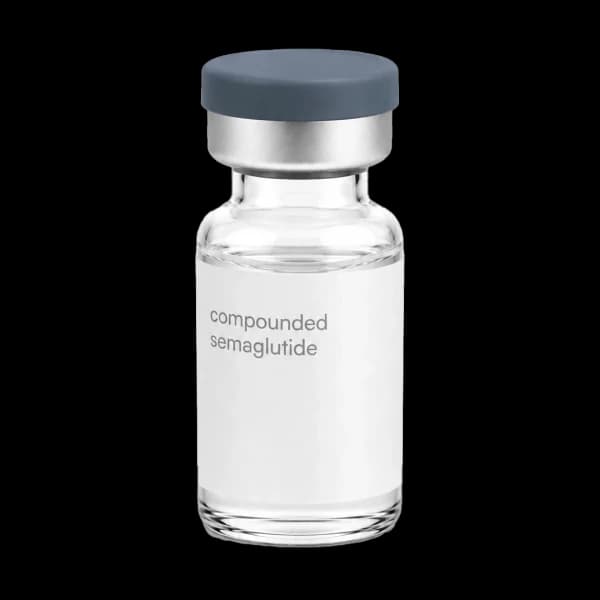
Compounded products have no label to check. Concentration, dosage instructions, and beyond-use date come from the compounding pharmacy, not from an FDA-approved label, so a maintenance dosage in milliliters or units does not translate across products. Confirm the milligram dose and the concentration in writing before assuming a maintenance dosage carries over.
Continuing, Lowering, or Stopping: What The Trials Measured
Every randomized withdrawal trial in this class points the same way. The dosage is doing continuous work, and stopping it gives most of the loss back.
| Trial | Design | Result |
|---|---|---|
| STEP 4 (JAMA, 2021) | 20-week run-in to semaglutide 2.4 mg, then continue or switch to placebo for 48 weeks | Weeks 20 to 68: -7.9% body weight on continued semaglutide vs +6.9% on placebo |
| STEP 1 extension (Diabetes, Obesity and Metabolism, 2022) | Semaglutide 2.4 mg stopped at week 68, participants followed for one year | Regained a mean of 11.6 percentage points of body weight, roughly two-thirds of the prior loss |
| SURMOUNT-4 (JAMA, 2024) | 36-week lead-in on tirzepatide 10 mg or 15 mg, then continue or switch to placebo for 52 weeks | Weeks 36 to 88: -5.5% further reduction on continued tirzepatide vs +14.0% on placebo |
Read the design before borrowing the number. All three compared staying on the dosage with stopping it entirely. None tested a planned step-down to a lower maintenance dosage against holding steady, so there is no trial-grade answer on how much of the loss a reduced dosage holds. That gap is why prescribers treat dose reduction as a response to side effects, cost, or supply rather than as a routine maintenance move. If cost is what is driving the question, see our guide to Wegovy prices without insurance.
Dose Options To Discuss
There is no universal maintenance dosage inside those labeled ranges. Ask:
- Should I stay at the current dose?
- Should we try a lower dose?
- What weight-regain threshold triggers a change?
- What symptoms mean the dose is too high?
- What if insurance stops covering it?
- How often should we monitor labs?
Nutrition Priorities
Maintenance is where protein, fiber, and strength training become non-negotiable. If someone loses weight but also loses too much muscle, maintenance gets harder.
Aim for protein at each meal, regular resistance training if medically appropriate, enough carbohydrates to support activity, and fiber/fluid routines that keep digestion predictable.
Internal Reading Path
- GLP-1 plateau
- How much protein on GLP-1
- What to eat on GLP-1
- GLP-1 fatigue
FAQ
Can I stop GLP-1 after reaching goal weight?
Some people stop, but regain risk can be significant. In the STEP 1 extension, participants who came off semaglutide 2.4 mg regained a mean of 11.6 percentage points of body weight over the following year, about two-thirds of what they had lost. This should be a clinician-guided decision with a monitoring plan.
Is maintenance a lower dose?
Sometimes, but not always. Wegovy lists both 1.7 mg and 2.4 mg once weekly as maintenance dosages for adults, with 2.4 mg recommended. Zepbound lists 5 mg, 10 mg, and 15 mg once weekly, all three as maintenance dosages. Saxenda runs the other way: its label says to discontinue in adults who cannot tolerate 3 mg daily. The lowest effective dosage is individual, and no label describes a scheduled reduction once goal weight is reached.
What is the maintenance dosage of semaglutide?
For weight, Wegovy maintains at 2.4 mg once weekly, with 1.7 mg once weekly also labeled and 7.2 mg once weekly available as a maximum for adults who tolerate 2.4 mg for at least 4 weeks and need additional weight reduction. For type 2 diabetes, Ozempic maintains at 0.5 mg, 1 mg, or 2 mg once weekly. The oral versions differ again: Wegovy tablets maintain at 25 mg daily, Rybelsus at 7 mg or 14 mg daily.
What is the maintenance dose of tirzepatide?
Zepbound lists 5 mg, 10 mg, or 15 mg once weekly for weight, and 15 mg is the maximum for every indication. Mounjaro runs 5 mg to 15 mg once weekly for type 2 diabetes. The 2.5 mg pen is a starting dose for initiation, not a maintenance dose.
What if hunger comes back?
Review sleep, protein, stress, activity, alcohol, dose timing, and whether medication changes are needed.
Do you stay on the same dosage forever?
Nothing on the label sets an end date. These drugs are indicated for chronic weight management or chronic glycemic control, and the withdrawal trials show the weight effect is not retained after stopping. In practice the dosage changes during maintenance for a specific reason: side effects, cost or supply interruption, a new medical situation, or a weight trend that crosses the threshold agreed with the prescriber.
The GLP-1 Nutrition Filter
For GLP 1 maintenance phase, the goal is not to create a stricter diet. The goal is to make a smaller appetite nutritionally useful. A good GLP-1 plan protects protein, fluids, fiber, micronutrients, and muscle while reducing the foods or habits that trigger side effects.
A helpful filter is to ask four questions before a meal: Where is the protein? Is the portion small enough to tolerate? Is there a fiber source that will not worsen bloating? Have fluids been steady today? If the answer is no to several of those questions, the meal may be filling but not supportive.
| Priority | Practical examples |
|---|---|
| Protein | Greek yogurt, eggs, fish, poultry, tofu, cottage cheese, beans, protein shake |
| Gentle carbs | Rice, oats, potatoes, toast, fruit, soup noodles |
| Fiber | Berries, oats, cooked vegetables, beans, chia, ground flax |
| Fluids | Water, low-sugar electrolytes, broth, non-carbonated drinks |
| Tolerance | Smaller meals, slower eating, lower-fat choices during escalation |
Small Appetite Meal Strategy
When appetite is very low, trying to eat a normal-sized meal can worsen nausea or reflux. A smaller meal schedule often works better. Think in protein anchors rather than large plates: yogurt plus fruit, eggs plus toast, soup with shredded chicken, tofu with rice, cottage cheese with berries, or a smoothie with protein and a gentle carbohydrate.
If intake is too low for several days, symptoms like fatigue, dizziness, constipation, headache, poor workouts, and hair shedding risk can become more likely. That is a reason to discuss the dose and nutrition plan, not a sign that the medication is working perfectly.
Adjustments by Side Effect
| If this is happening | Try discussing or testing |
|---|---|
| Nausea | Smaller meals, lower fat, slower eating, bland protein |
| Constipation | More fluids, gradual fiber, regular meals, movement |
| Diarrhea | Lower-fat reset, electrolytes, review sugar alcohols |
| Reflux | Earlier dinner, less carbonation, stay upright after meals |
| Fatigue | Protein, hydration, electrolytes, sleep, dose review |
Questions to Bring to the Prescriber or Pharmacist
- Does my current dose and timing match the official label or my prescription?
- Are my symptoms or concerns expected at this stage, or do they suggest changing the plan?
- Should I delay escalation, restart lower, hold steady, or be evaluated before continuing?
- Are any of my other medications increasing risk, especially insulin, sulfonylureas, blood pressure medication, diuretics, or drugs affected by delayed gastric emptying?
- What exact symptoms should make me call urgently or seek same-day care?
- If cost or supply interrupts therapy, what is the safest backup plan?
Bottom Line for GLP-1 Maintenance Phase: What Happens After Weight Loss
The practical answer is rarely just one number, food list, or yes-or-no rule. For GLP 1 maintenance phase, the safest approach is to combine the direct answer with the variables that change it: product type, dose, timing, side effects, storage history, other medications, and the person's medical context. When those variables are unclear, the best next step is to ask the prescriber or pharmacist before acting.
Additional Scenarios Readers Commonly Compare
| Scenario | How to think about it |
|---|---|
| Symptoms started after a dose increase | Treat escalation as a likely contributor and ask whether to hold the dose longer |
| The plan changed because of supply | Confirm whether a restart or lower dose is safer after the gap |
| Advice online conflicts with the label | Use the label, pharmacy, and prescriber as the authority |
| The medication is compounded | Verify concentration, BUD, storage, sterility, and dose instructions directly with the pharmacy |
| The goal is maintenance | Prioritize sustainable intake, resistance training, monitoring, and follow-up |
More FAQ
Why do different websites give different answers?
Most differences come from assuming different products, concentrations, patient goals, dose histories, or risk tolerance. A chart or tip can be mathematically correct but still wrong for a specific prescription.
What information should I keep in my notes?
Keep the medication name, dose, date taken, pharmacy label, concentration if vial-based, side effects, food and fluid changes, weight trend, and any clinician instructions. This makes follow-up safer and more specific.
When is it better not to troubleshoot at home?
Do not troubleshoot at home when symptoms are severe, rapidly worsening, involve chest pain or fainting, include repeated vomiting or dehydration, suggest allergic reaction, or involve a possible dosing or storage error.
References
- Weight regain and cardiometabolic effects after withdrawal of semaglutide: the STEP 1 trial extension (Diabetes, Obesity and Metabolism, 2022)
- Semaglutide Injection — MedlinePlus (NIH)
- Effect of Continued Weekly Subcutaneous Semaglutide vs Placebo on Weight Loss Maintenance: the STEP 4 randomized clinical trial (JAMA, 2021)
- Continued Treatment With Tirzepatide for Maintenance of Weight Reduction in Adults With Obesity: the SURMOUNT-4 randomized clinical trial (JAMA, 2024)
- WEGOVY (semaglutide) injection and tablets — prescribing information, DailyMed (NIH)
- ZEPBOUND (tirzepatide) injection — prescribing information, DailyMed (NIH)
- MOUNJARO (tirzepatide) injection — prescribing information, DailyMed (NIH)
- OZEMPIC (semaglutide) injection — prescribing information, DailyMed (NIH)
- RYBELSUS (oral semaglutide) tablets — prescribing information, DailyMed (NIH)
- SAXENDA (liraglutide) injection — prescribing information, DailyMed (NIH)
- VICTOZA (liraglutide) injection — prescribing information, DailyMed (NIH)
- TRULICITY (dulaglutide) injection — prescribing information, DailyMed (NIH)