There is no generic Trulicity in 2026, and in the strict sense there never will be. Trulicity isn't a simple pill — it's a biologic, licensed by the FDA under BLA 125469 on September 18, 2014. That one fact rules out a classic generic and routes the whole question toward something called a biosimilar: slower to develop, slower to approve, and far less of a price cut when it finally lands.
Direct answer: The generic name for Trulicity is dulaglutide, but there is no generic Trulicity in 2026 — and there can't be one in the usual sense. Dulaglutide is a biologic (an engineered protein), so the only copy pathway is a biosimilar, not a chemical generic. As of 2026, no dulaglutide biosimilar is approved in the United States. The earliest date the FDA could legally make one effective is September 18, 2026 — 12 years after licensure — and the patents protecting Trulicity run from roughly 2036 to 2038, so a US biosimilar you can actually fill is years away. Meanwhile the list price is $987.19 per 4-pen, 28-day box; Lilly's savings card cuts that to as little as $25 a fill if you have commercial insurance. For most patients the practical answer isn't waiting — it's the savings card or switching to a newer, stronger GLP-1.
Generic vs Biosimilar: Why the Word Matters
A "generic" is an exact chemical copy of a small-molecule drug — metformin, atorvastatin, that kind of thing. Biologics are large, complex proteins grown in living cells, and they can't be copied atom-for-atom. Instead, regulators approve biosimilars: products shown to be highly similar to the original with no clinically meaningful differences. They go through a different, more demanding approval pathway, which is why they take longer and cost more to develop.
| Generic | Biosimilar | |
|---|---|---|
| Applies to | Small-molecule drugs | Biologics (proteins) |
| Copy standard | Identical active ingredient | Highly similar, no meaningful difference |
| Example drug | Metformin, liraglutide | Dulaglutide, insulin, antibodies |
| Trulicity falls here? | No | Yes |
| Typical price cut | 80-90% | 15-35% |
So when you search "Trulicity generic," what you're really asking is whether a dulaglutide biosimilar exists. In 2026, in the US, it does not.
Trulicity Generic Name — and Every Other Name for the Same Molecule
Searches for "Trulicity generic name" and "Trulicity generic names" are usually after one of the entries below. All of them describe a single molecule.
| What you're asking for | The name |
|---|---|
| Generic (nonproprietary) name | Dulaglutide |
| Brand name | Trulicity (Eli Lilly) |
| FDA established pharmacologic class | GLP-1 receptor agonist |
| What it is molecularly | A fusion protein — two identical GLP-1 analog chains linked to a modified human IgG4 antibody Fc region, produced in mammalian (Chinese hamster ovary) cells |
| FDA application | BLA 125469, licensed under section 351(a) of the PHS Act — the biologics pathway |
| US generic or biosimilar name | None. No FDA-approved copy exists |
| Non-US biosimilar name | Boyouping (Boan Biotech, China; development codes LY05008 / BA5101) |
There is no second US brand name, no "generic dulaglutide" at the pharmacy counter, and no authorized generic. If a website offers you "generic Trulicity" or "generic dulaglutide" shipped to your door, it is not an FDA-approved product — check what you're actually being sold before you pay for it.
Where the Biosimilar Pipeline Actually Stands
There is real biosimilar activity globally, but it has not reached US patients. The furthest-along program belongs to China's Shandong Boan Biotech. Its dulaglutide biosimilar — branded Boyouping, developed under the codes LY05008/BA5101 — was approved by China's National Medical Products Administration (NMPA) on August 8, 2025. Boan describes it as the first and only biosimilar to Trulicity approved for marketing in the world.
The supporting Phase 3 trial, published in the Journal of Diabetes in April 2025, randomized 440 Chinese adults with type 2 diabetes and found the biosimilar matched the reference Trulicity closely: HbA1c reductions of -1.44% (biosimilar) versus -1.41% (Trulicity), with comparable safety, pharmacokinetics, and immunogenicity.
The catch for US readers: that approval is China-only. No dulaglutide biosimilar has been approved by the FDA, and DrugPatentWatch shows no brand-side biosimilar litigation yet — a sign that no US biosimilar application has advanced far enough to trigger patent disputes. The patents themselves point to a long wait:
| Region/status | Detail |
|---|---|
| US patent expiry (earliest) | ~June 30, 2036 |
| US patent expiry (latest disclosed) | ~June 13, 2038 |
| US biosimilar approved? | No |
| First global biosimilar | Boyouping (China, NMPA, Aug 8, 2025) |
| US biosimilar litigation | None on record |
Bottom line: a US dulaglutide biosimilar is not a 2026 or even near-term reality. Plan as if there is no cheaper copy coming soon.
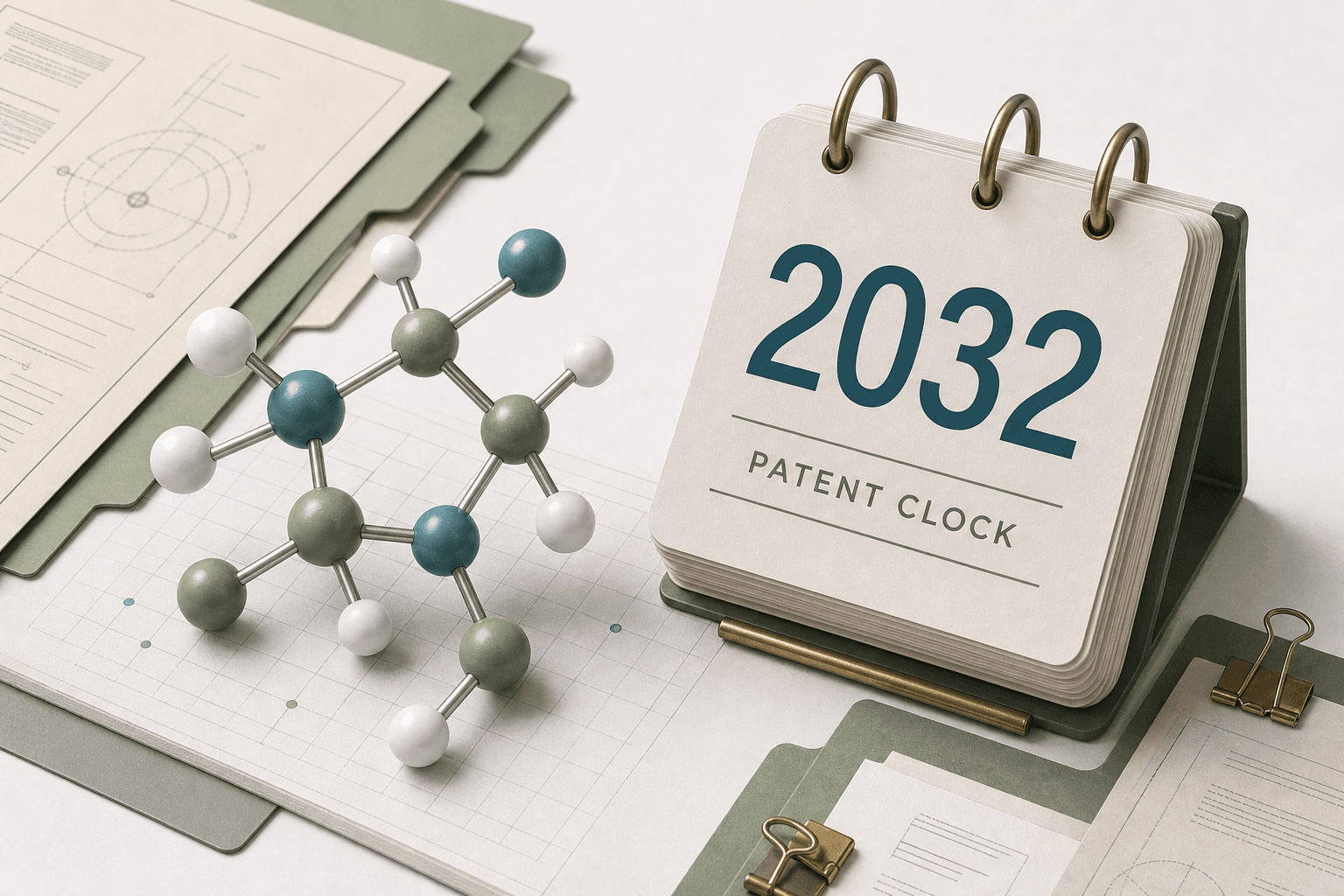
When Will Trulicity Go Generic? Three Clocks Have to Run Out
"When does Trulicity go generic" is really three questions, and the patent dates above are only one of them. A dulaglutide biosimilar needs all three timers to clear.
| Clock | What it blocks | Where it stands |
|---|---|---|
| FDA reference-product exclusivity | The FDA cannot make any biosimilar approval effective until it expires | Expires September 18, 2026 — 12 years after Trulicity was first licensed on September 18, 2014. The FDA adds six months on top if pediatric exclusivity applies. The separate 4-year bar on submitting a biosimilar application passed in September 2018 |
| Lilly's patents | Launch, even after an approval | Earliest ~June 30, 2036, latest disclosed ~June 13, 2038 (DrugPatentWatch analysis of company disclosures — untested, since no brand-side litigation exists yet) |
| Someone actually filing | Everything | No FDA-licensed dulaglutide biosimilar appears in the Purple Book. The only public target date is a contract one: Amneal's April 21, 2026 agreement to buy Kashiv BioSciences pays a $25 million milestone if its dulaglutide biosimilar — the filing calls it "bTrulicity" — wins regulatory approval on or before December 31, 2028, or lands as the first or second Trulicity biosimilar approved (both prongs carry sales conditions spelled out in the filing) |
Two things follow. First, the exclusivity clock running out in September 2026 changes nothing on its own: an approval can only happen once an application exists, and none is on record. Second, approval and availability are different events — a biosimilar can be approved and still be blocked from launching by patents into the 2030s, which is exactly the gap between Amneal's 2028 milestone and Lilly's 2036-2038 patent wall. Even the most optimistic public timeline does nothing for a prescription you need filled this month.
So What Do You Actually Do About the Price?
If you're on Trulicity for the cost reasons that brought you to this page, there are two real levers — and a third that may matter more than either.
Lever 1 — the savings card. Trulicity's list price is $987.19/month for a 4-pen, 28-day supply, regardless of dose. If you have commercial drug insurance that covers Trulicity, Lilly's savings card can bring your cost down to as little as $25 for a 1-, 2-, or 3-month fill, subject to monthly and annual caps (up to $150 per 1-month fill, $1,950 per year). It does not apply if you're on Medicare, Medicaid, or other government coverage. We walk through the eligibility fine print in Trulicity coupon.
Lever 2 — wait it out. Realistic, but slow. With US patents into 2036-2038 and no FDA biosimilar in sight, this isn't a 2026 plan.
Lever 3 — switch molecules. This is the one clinicians actually act on. Trulicity is a first-generation weekly GLP-1, and it has been eclipsed by newer drugs that lower A1C and weight more. Many patients who came to Trulicity for blood-sugar control are now moved to semaglutide or tirzepatide, where the cash-pay and discount landscape is more active.
Want a lower price today? Pallas Health — a 100% online visit reviewed by a US-licensed clinician, who prescribes only when it is clinically appropriate. FDA-approved options, or compounded medication prepared by US-licensed pharmacies. Ships free if you are eligible, with no membership or platform fees. (Partner link: we may earn a commission. Compounded medications are not FDA-approved and are not generic versions of brand-name drugs.)
Is Switching the Real Answer?
For a lot of people, yes. Dulaglutide is effective but middle-of-the-pack by today's standards, and the brands that replaced it have either cash channels (tirzepatide vials) or their own discount routes. Here's how Trulicity sits next to the brands people switch to:
| Brand | Generic name | Cheaper copy in 2026? | Note |
|---|---|---|---|
| Trulicity | Dulaglutide | No (biologic, no US biosimilar) | Savings card or switch |
| Ozempic / Wegovy | Semaglutide | No — Ozempic generic | Stronger A1C/weight effect |
| Mounjaro / Zepbound | Tirzepatide | No — Mounjaro generic / Zepbound generic | Cash vials $299-$449 |
| Saxenda | Liraglutide | Yes — Saxenda generic | True generic available |
Note the irony: the oldest GLP-1 brand here (Saxenda) is the only one with a genuine generic, while Trulicity — also old — can't have one because it's a biologic. If price is the whole reason you're here, talk to your prescriber about whether a switch makes clinical sense before you bank on a biosimilar that isn't coming soon.
Frequently Asked Questions
What is the generic name for Trulicity? Dulaglutide. It's the active ingredient — the FDA lists it as dulaglutide, a GLP-1 receptor agonist, under BLA 125469 — but because dulaglutide is a biologic, a copy would be a biosimilar rather than a conventional generic.
Is there a generic for Trulicity in 2026? No. There is no generic and no FDA-approved biosimilar in the US. Trulicity's US patents run roughly 2036-2038.
When will Trulicity go generic? Not as a generic — the question is when a biosimilar arrives, and there is no date to give you yet. The FDA's 12-year exclusivity on Trulicity expires September 18, 2026, which makes a biosimilar approval legally possible from that point, but no US application is on record and Lilly's disclosed patents run to roughly 2036-2038. The only public target is a contract milestone: Amneal's April 2026 deal for Kashiv BioSciences pays $25 million if their dulaglutide biosimilar is approved on or before December 31, 2028.
Is Trulicity a biologic? Yes. Dulaglutide is a fusion protein — two GLP-1 analog chains bonded to a modified human IgG4 antibody Fc region, grown in living mammalian cells — and the FDA licensed it under section 351(a) of the Public Health Service Act (BLA 125469), the biologics pathway, not as a conventional drug. That classification is the entire reason a "generic Trulicity" can't exist.
Will there be a Trulicity biosimilar? Eventually, likely. One biosimilar (Boyouping) is already approved in China as of August 2025, but none has been approved in the US, and patent timing puts a US version years out.
Why can't Trulicity have a normal generic? Because dulaglutide is a biologic — a large engineered protein — which can't be copied exactly. Regulators approve "biosimilars" instead, through a longer pathway.
How do I lower my Trulicity cost now? Use the Lilly savings card if you have commercial insurance ($25 fills with caps), or talk to your prescriber about switching to a newer GLP-1 with more discount options.
Last reviewed: August 20, 2026
Sources
- When will the patents on TRULICITY expire — DrugPatentWatch
- Boyouping, China's First Locally Developed Dulaglutide Injection, Approved for Marketing — Boan Biotech
- FDA Approves First Generic GLP-1 Indicated for Weight Loss — Healio
- Trulicity (dulaglutide), BLA 125469 approval record — Drugs@FDA
- Background Information: Reference Product Exclusivity (Purple Book) — FDA
- Trulicity (dulaglutide) prescribing information — DailyMed/NIH
- Membership Interest Purchase Agreement, Kashiv BioSciences / Amneal Pharmaceuticals, April 21, 2026 (bTrulicity milestone) — SEC EDGAR
- Trulicity cost information and list price — Lilly