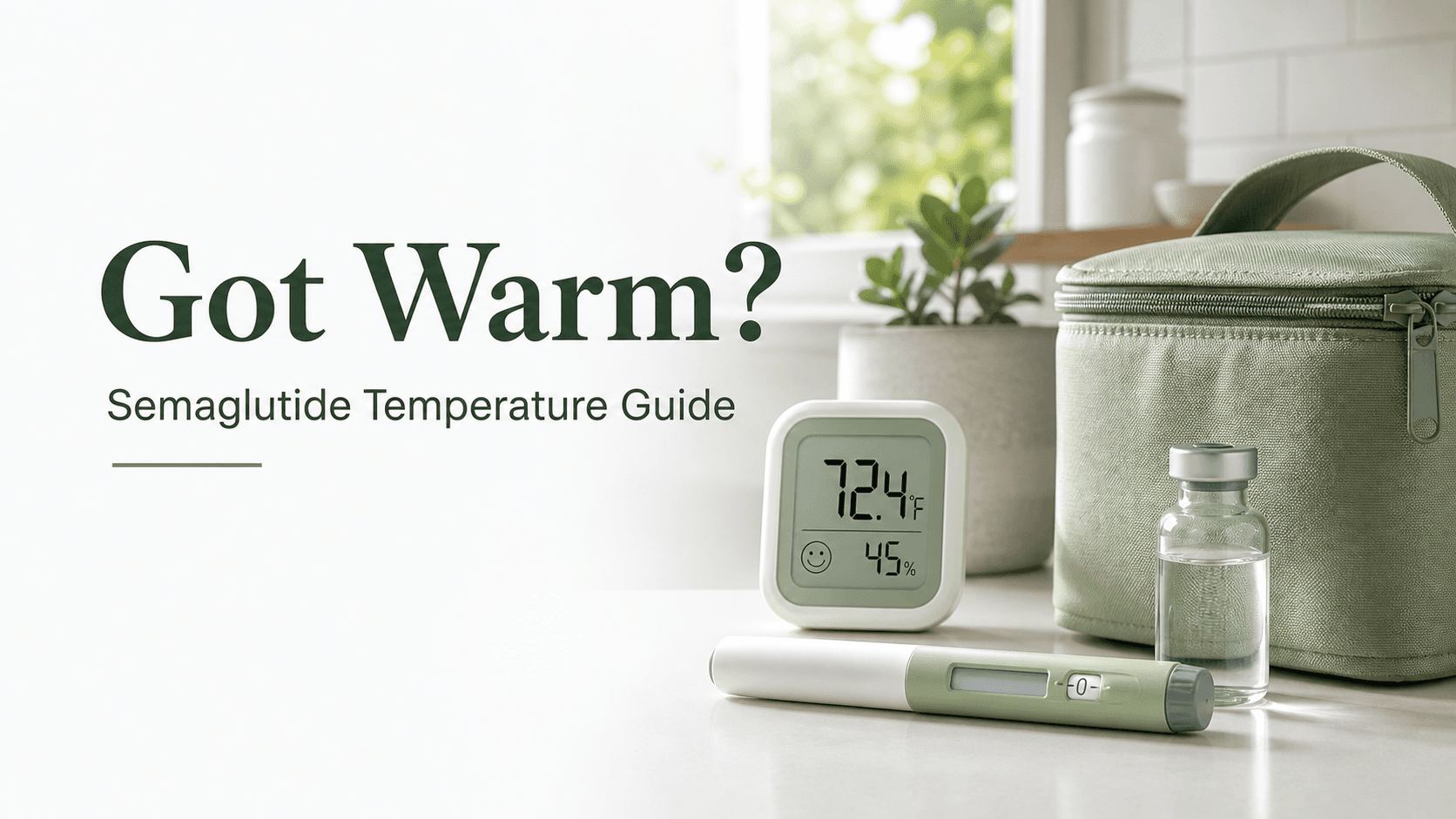
Semaglutide is a temperature-sensitive medication. The risk from warmth depends on the product and the exposure.
Short answer: semaglutide that gets warm may lose potency, and extreme heat can make it inappropriate to use. The FDA label stores unopened semaglutide refrigerated at 2–8°C (36–46°F) and warns against freezing. Check the product label, exposure temperature, time out of refrigeration, appearance, and pharmacist guidance.
What to Check
| Check | Why |
|---|---|
| Highest temperature | Warm room is different from hot car |
| Time exposed | Longer exposure raises concern |
| Product form | Pen and compounded vial instructions differ |
| Freezing or heat | Either can be a discard situation |
| Appearance | Cloudiness, particles, or color change are warning signs |
Call the Pharmacy If
Call if it was in a hot car, shipped warm, left out longer than the label allows, frozen, cloudy, discolored, expired, or compounded with unclear instructions.
Internal Reading Path
- Accidentally left semaglutide out overnight
- How long can compounded semaglutide be out of the fridge
- Can you use expired semaglutide
Storage Decision Tree
For what happens if semaglutide gets warm, the safest answer comes from the exact product label or the dispensing pharmacy. Branded pens, branded vials, compounded vials, and prefilled syringes can have different stability and sterility rules. Do not use a room-temperature rule from one product to justify using a different product.
Start with these questions: What product is it? Was it unopened, opened, or punctured? What was the highest likely temperature? How long was it out? Did it freeze? Does it look clear and particle-free? Is the expiration date or beyond-use date still valid? If any answer is uncertain, call the pharmacist.
| Situation | Safer next step |
|---|---|
| Hot car or direct sun | Call before use; heat exposure is high risk |
| Frozen product | Call; many peptide products should not be used after freezing |
| Cloudy or particles | Do not use until pharmacy reviews |
| Expired or past BUD | Replace rather than guessing |
| Compounded vial | Follow the pharmacy-specific BUD and storage instructions |
What to Say When You Call the Pharmacy
Use concrete details. Say the medication name, strength, dosage form, lot number if available, expiration or BUD, whether it was opened or punctured, how long it was out, the approximate temperature, and whether the appearance changed. Ask whether it should be used, discarded, replaced, or documented.
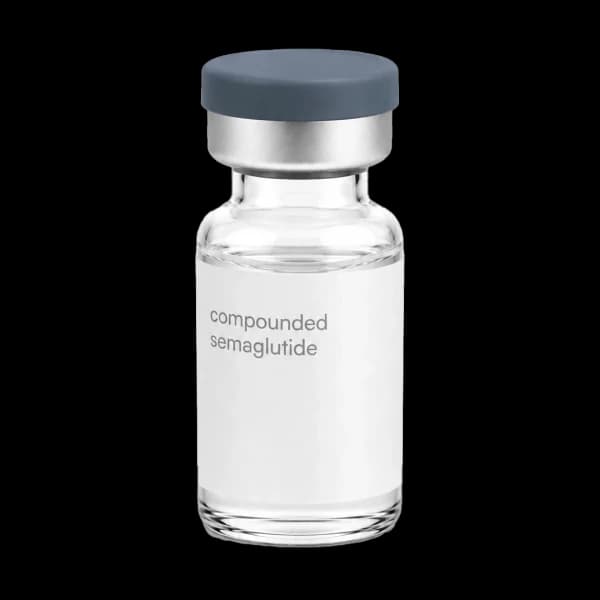
This matters because pharmacists can often make a better decision with specifics than with a general question like, 'Is it still good?'
Prevention for Travel and Weekly Routines
An in-use Ozempic pen can be kept for up to 56 days at room temperature (15–30°C / 59–86°F) or refrigerated, then discarded. Store medication where temperature is stable, not in a car, checked bag, sunny window, freezer area, or bathroom. Use reminders for injection day, keep the box or pharmacy label until the medication is finished, and write the puncture or first-use date on compounded vials if the pharmacy recommends it. For travel, ask the pharmacy about insulated storage and what to do if the product is delayed or arrives warm.
Questions to Bring to the Prescriber or Pharmacist
- Does my current dose and timing match the official label or my prescription?
- Are my symptoms or concerns expected at this stage, or do they suggest changing the plan?
- Should I delay escalation, restart lower, hold steady, or be evaluated before continuing?
- Are any of my other medications increasing risk, especially insulin, sulfonylureas, blood pressure medication, diuretics, or drugs affected by delayed gastric emptying?
- What exact symptoms should make me call urgently or seek same-day care?
- If cost or supply interrupts therapy, what is the safest backup plan?
Bottom Line for What Happens If Semaglutide Gets Warm?
The practical answer is rarely just one number, food list, or yes-or-no rule. For what happens if semaglutide gets warm, the safest approach is to combine the direct answer with the variables that change it: product type, dose, timing, side effects, storage history, other medications, and the person's medical context. When those variables are unclear, the best next step is to ask the prescriber or pharmacist before acting.
Additional Scenarios Readers Commonly Compare
| Scenario | How to think about it |
|---|---|
| Symptoms started after a dose increase | Treat escalation as a likely contributor and ask whether to hold the dose longer |
| The plan changed because of supply | Confirm whether a restart or lower dose is safer after the gap |
| Advice online conflicts with the label | Use the label, pharmacy, and prescriber as the authority |
| The medication is compounded | Verify concentration, BUD, storage, sterility, and dose instructions directly with the pharmacy |
| The goal is maintenance | Prioritize sustainable intake, resistance training, monitoring, and follow-up |
More FAQ
Why do different websites give different answers?
Most differences come from assuming different products, concentrations, patient goals, dose histories, or risk tolerance. A chart or tip can be mathematically correct but still wrong for a specific prescription.
What information should I keep in my notes?
Keep the medication name, dose, date taken, pharmacy label, concentration if vial-based, side effects, food and fluid changes, weight trend, and any clinician instructions. This makes follow-up safer and more specific.
When is it better not to troubleshoot at home?
Do not troubleshoot at home when symptoms are severe, rapidly worsening, involve chest pain or fainting, include repeated vomiting or dehydration, suggest allergic reaction, or involve a possible dosing or storage error.
Quick Self-Check Before Acting
Before making a decision based on what happens if semaglutide gets warm, pause long enough to confirm the basics: exact medication, dose, date of last dose, product form, storage history if relevant, current symptoms, and any other medications that could change risk. Most GLP-1 mistakes happen when one of those details is assumed instead of verified.
If the question involves dosing, switching, storage, severe symptoms, pregnancy planning, surgery, diabetes medication, or a compounded vial, treat the article as preparation for a clinician or pharmacist conversation. The safest next step is often not to act faster. It is to bring better information to the person who can make the decision with you.
| Detail to confirm | Why it matters |
|---|---|
| Medication and form | Pens, tablets, branded vials, and compounded vials have different rules |
| Current dose | Dose history changes tolerance and restart decisions |
| Timing | Missed doses, gaps, and dose increases change the plan |
| Symptoms | Severity decides whether this is routine or urgent |
| Storage or expiration | Product reliability depends on label and pharmacy rules |
| Other medications | Insulin, sulfonylureas, blood pressure drugs, and diuretics can change risk |
Summary
Warm semaglutide is not automatically usable or ruined. The label and pharmacist should decide if the temperature excursion is acceptable.