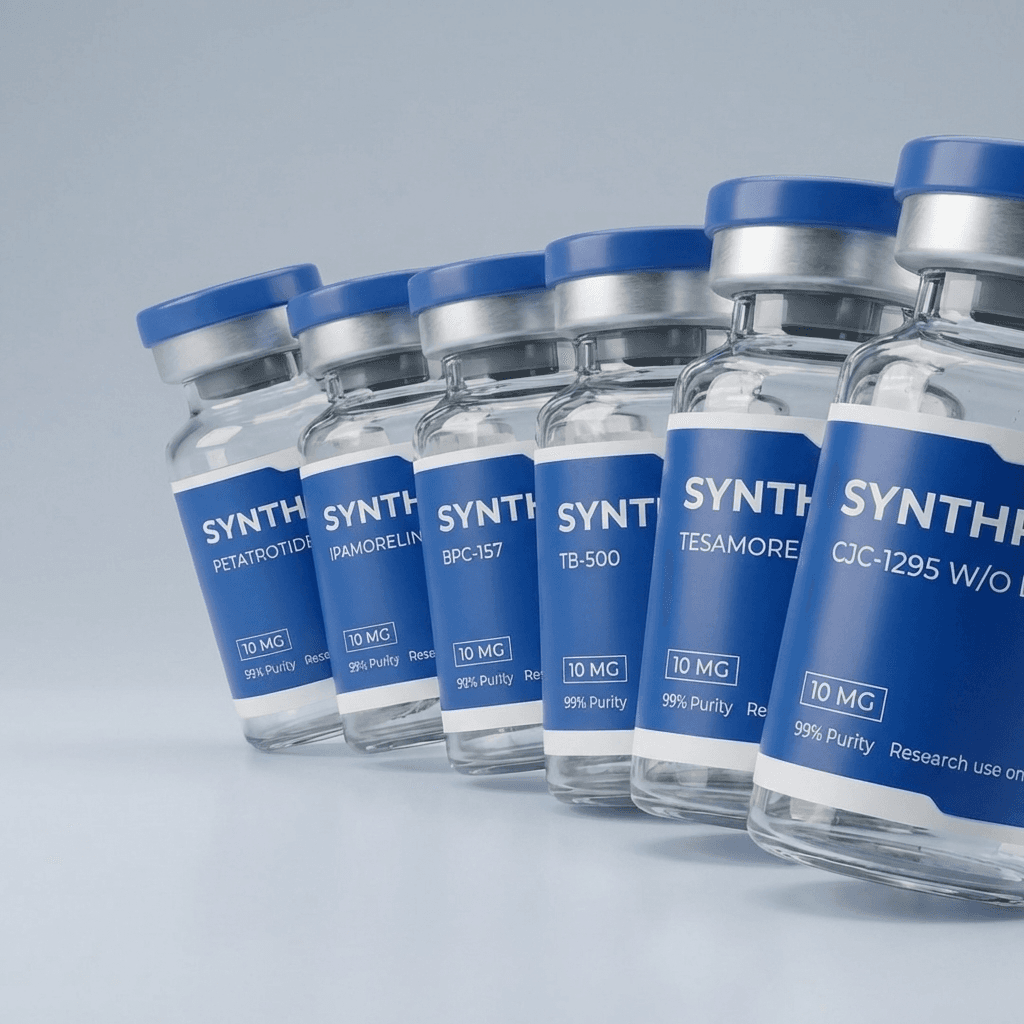

Retatrutide has not been studied in type 1 diabetes, has no published trials in this group, and is not approved by the FDA for any condition as of mid-2026. It remains an investigational triple receptor agonist in late-stage trials for obesity and type 2 diabetes. People with type 1 diabetes who consider it are stepping outside both the evidence base and the regulatory label, and the drug's glucagon receptor activity raises specific concerns that do not apply to standard GLP-1 medicines. Insulin remains the foundation of type 1 treatment, and nothing in the current data changes that.
This article explains what is actually known, why type 1 and type 2 diabetes are not interchangeable for these drugs, and where the real risks sit.
Why Type 1 Is a Different Problem
Type 2 diabetes is mainly a disease of insulin resistance and relative insulin shortage. Type 1 diabetes is an autoimmune condition in which the pancreas stops making insulin almost entirely. That difference matters for incretin drugs.
GLP-1 based medicines work in part by improving the body's own insulin response to meals and by suppressing glucagon when glucose is high. In type 1 diabetes there is little or no endogenous insulin left to enhance, so the glucose-lowering benefit is smaller and the safety margin is narrower. The person still depends on injected insulin for survival, and any drug that reduces appetite, slows gastric emptying, or prompts people to cut insulin doses can tip the balance toward ketosis.
Retatrutide adds a further wrinkle. It is not a single GLP-1 drug. It activates three receptors at once, and one of them is glucagon. You can read more about that design in our overview of what retatrutide is and the detailed retatrutide mechanism of action.
Retatrutide's Triple Mechanism and the Glucagon Concern
Retatrutide is a single peptide that agonizes the GLP-1, GIP, and glucagon receptors. In obesity and type 2 trials, the glucagon component is thought to boost energy expenditure and contribute to the large weight loss seen with this class.
Glucagon, however, is the hormone that raises blood glucose and promotes ketone production in the liver. In a person with a healthy insulin supply, that effect is balanced. In type 1 diabetes, where insulin is absent unless injected, deliberately stimulating glucagon receptors is theoretically counterproductive for glucose control and could, in principle, push ketone levels higher. No published data confirms how retatrutide behaves in type 1 patients, because they have not been studied. That absence of evidence is itself the central risk: you would be the experiment.
This is a key reason retatrutide should not be assumed to behave like semaglutide or tirzepatide in type 1 diabetes. For context on how the molecules differ, see retatrutide vs tirzepatide and retatrutide vs semaglutide.
Approval and Trial Status as of 2026
Retatrutide is investigational. It has not been approved by the FDA, the EMA, or the UK MHRA for any indication. Its phase 3 program (the TRIUMPH series) is studying obesity, type 2 diabetes, knee osteoarthritis, and obstructive sleep apnea, not type 1 diabetes.
Outside a clinical trial, there is no legitimate licensed supply. Material sold online as "research" retatrutide is unregulated, and we cover that landscape separately in compounded retatrutide, retatrutide without prescription, and our timeline on when retatrutide will be available. For type 1 patients, the lack of any quality-controlled, dose-verified product compounds the medical risk.
| Question | Type 1 diabetes | Type 2 diabetes / obesity |
|---|---|---|
| Published retatrutide trials | None | Phase 2 complete, phase 3 ongoing |
| FDA approval | No | No (investigational) |
| Endogenous insulin to build on | Minimal or none | Usually present |
| Glucagon agonism concern | Higher (ketosis risk) | Balanced by own insulin |
| Insulin still required | Always | Sometimes |
What the Broader GLP-1 Evidence in Type 1 Shows
Because retatrutide itself has not been tested in type 1 diabetes, the closest signal comes from older GLP-1 receptor agonists used off-label as add-ons to insulin. This evidence is moderate at best and does not transfer cleanly to a triple agonist, but it sets expectations.
A meta-analysis of 11 randomized trials with 2,856 type 1 participants reported:
- HbA1c reduction of about 0.21% (liraglutide strongest at roughly 0.26%)
- Weight loss of about 4.04 kg
- Total daily insulin reduction of about 5.73 units
- No significant increase in severe hypoglycemia (odds ratio 0.86)
- No statistically significant increase in DKA (odds ratio 1.38, confidence interval crossing 1)
The largest individual program, ADJUNCT ONE (liraglutide, n=1,398), found only a modest HbA1c reduction of about 0.20% at the highest (1.8 mg) dose but also showed higher rates of hyperglycemia with ketosis, which clustered in people with no residual C-peptide. On the 1.8 mg dose, hyperglycemia with ketosis was roughly 2.2 times more common than on placebo.
The honest summary: modest glucose and weight benefits, meaningful gastrointestinal side effects, and a DKA signal that is not statistically conclusive but is real enough that no regulator has approved any GLP-1 drug for type 1 diabetes. There are no established clinical guidelines for this use.
It is worth being precise about why this evidence does not validate retatrutide. Every trial above tested single-receptor GLP-1 agonists, or in a handful of small case series the dual agonist tirzepatide. None tested a glucagon-receptor agonist. Retatrutide's pharmacology is genuinely novel, and the very feature that drives its large weight loss in obesity (glucagon activity) is the feature most likely to behave unpredictably when there is no endogenous insulin to oppose it. Reading the older data as reassurance for retatrutide is a logical leap the data does not support. At best it tells you that the GLP-1 component is unlikely to be the main problem. It says nothing about the glucagon arm.
The Two Risks That Matter Most
Euglycemic and ketosis-driven DKA
Diabetic ketoacidosis is the headline danger. The classic pattern in this setting is euglycemic DKA, where ketones and acidosis develop even though blood glucose looks normal or only mildly elevated. That normal-looking glucose is exactly what makes it dangerous, because the usual warning sign is missing.
The mechanism is straightforward. GLP-1 class drugs reduce appetite and food intake, which leads people to cut insulin. Nausea and vomiting (gastrointestinal side effects were substantially more common in the meta-analysis) can both reduce eating and reduce insulin dosing. With too little insulin on board, the body shifts to burning fat and producing ketones. Add retatrutide's glucagon agonism, which independently favors ketone production, and the theoretical risk in type 1 diabetes is higher than for a pure GLP-1 drug. Combining any of these agents with an SGLT2 inhibitor raises DKA risk further, and severe refractory cases have been reported.
Practical implications if a clinician ever supervised such use:
- Insulin is never stopped, only carefully adjusted
- Ketone testing (blood beta-hydroxybutyrate preferred) becomes routine, especially during illness or GI upset
- Any vomiting, abdominal pain, or rapid breathing is treated as a possible DKA emergency regardless of glucose reading
Hypoglycemia
Hypoglycemia risk is more nuanced. The pooled data did not show a clear increase in severe hypoglycemia, but lowering insulin doses without retraining the whole regimen can produce both highs and lows. GLP-1 drugs may also blunt some of the counterregulatory hormone responses that normally defend against low glucose, which matters more for someone already prone to hypoglycemia unawareness. The slowed gastric emptying these drugs cause also changes how fast carbohydrate is absorbed, which can shift the timing of post-meal lows in unpredictable ways and complicate the carbohydrate treatment of a hypo. Continuous glucose monitoring is essentially mandatory in this scenario, and so is a willingness to adjust insulin timing, not just dose.
Why Insulin Is Not Optional
No version of this discussion ends with replacing insulin. Type 1 diabetes is absolute insulin deficiency. Retatrutide, even if it were studied and approved someday, would at most be an adjunct that trims insulin requirements and supports weight goals, never a substitute. Any marketing or forum post suggesting otherwise is dangerous.
If weight or insulin dosing is the underlying concern, those are conversations to have with an endocrinologist about evidence-based options, not a reason to self-source an investigational triple agonist. For people simply researching the drug class, our pages on retatrutide side effects, is retatrutide safe, and the retatrutide clinical trial program give the fuller picture from the populations that have actually been studied.
Who Should Be Especially Cautious
The DKA signal in trials clustered in people with no detectable C-peptide, meaning no residual insulin production at all. That describes most people with established type 1 diabetes. Caution is heightened for anyone who:
- Has a history of DKA
- Uses an insulin pump (interruptions can trigger ketosis quickly)
- Also takes an SGLT2 inhibitor
- Has frequent nausea, gastroparesis, or eating irregularity
- Has hypoglycemia unawareness
- Is pregnant or planning pregnancy
Frequently Asked Questions
Is retatrutide approved for type 1 diabetes? No. Retatrutide is not approved for any condition. It is an investigational drug in phase 3 trials for obesity and type 2 diabetes, and it has never been tested in type 1 diabetes in any published study.
Can retatrutide replace insulin in type 1 diabetes? No. Type 1 diabetes is absolute insulin deficiency, so injected insulin is required for survival. At most, drugs in this class are studied as add-ons to insulin, not replacements.
Why is DKA a bigger worry with retatrutide than with semaglutide? Retatrutide activates the glucagon receptor in addition to GLP-1 and GIP. Glucagon promotes glucose release and ketone production. Combined with reduced eating and insulin cuts, this raises the theoretical ketosis and DKA risk above that of a pure GLP-1 drug, though no type 1 data exists to quantify it.
Have any GLP-1 drugs helped people with type 1 diabetes? In trials, older GLP-1 agonists added to insulin produced modest HbA1c drops (around 0.21%), about 4 kg of weight loss, and small insulin reductions, but with more gastrointestinal side effects and an unresolved DKA signal. None is approved for type 1 diabetes.
What monitoring would be needed if a doctor supervised off-label use? Continuous glucose monitoring, regular blood ketone testing, a clear sick-day plan, and never stopping insulin. Decisions like dose changes belong to an endocrinologist, not a self-managed protocol.
The Bottom Line
For type 1 diabetes, retatrutide sits in a zone of no evidence, no approval, and an added glucagon-driven reason for concern. The transferable data from other GLP-1 drugs shows modest benefits alongside a DKA risk that has kept every regulator from approving this class for type 1 diabetes. If you are weighing options for weight or insulin reduction, that is a discussion for your diabetes team, grounded in approved therapies and close monitoring. For background on the drug itself, see retatrutide dosage and retatrutide half-life.
This article is for informational purposes only and is not medical advice. Talk to a qualified clinician before making any changes to your diabetes treatment.
References
- Jastreboff AM, Kaplan LM, Frías JP, et al. Triple–Hormone-Receptor Agonist Retatrutide for Obesity — A Phase 2 Trial. New England Journal of Medicine. 2023. PubMed
- Mathieu C, Zinman B, Hemmingsson JU, et al. Efficacy and Safety of Liraglutide Added to Insulin Treatment in Type 1 Diabetes: The ADJUNCT ONE Treat-To-Target Randomized Trial. Diabetes Care. 2016. PubMed
- Collins L, Costello RA. Glucagon-Like Peptide-1 Receptor Agonists. StatPearls. NCBI Bookshelf. NCBI Bookshelf