You've probably seen the word "peptides" everywhere lately — on biohacker forums, in anti-aging ads, and now in mainstream health news. But what actually is peptide therapy, and is it worth your attention? It's not a single drug or a silver bullet. It's a category of treatments that uses your body's own signaling chemistry to push specific biological processes — weight loss, tissue healing, hormone output, cognitive clarity — in a targeted direction. That makes it genuinely interesting. It also makes it easy to get wrong.
Key Takeaways
- Peptides are short chains of amino acids — not hormones, not drugs, but signaling molecules that trigger biological responses
- Peptide therapy covers dozens of distinct treatments with very different goals, from fat loss to tissue repair to cognitive enhancement
- Some peptides (semaglutide, tesamorelin) have strong clinical evidence; others exist mostly as off-label or experimental options
- Grey market peptides are a real risk — quality, purity, and dosing are all unverified without a licensed provider
- Cost varies widely: $100–$800+/month depending on the peptide and protocol
- You need a real consultation and ideally lab work before starting any protocol
The reason interest in peptide therapy has exploded isn't just hype. It's partly because GLP-1 drugs like semaglutide and tirzepatide — technically peptides — have produced genuine, documented weight loss results. That success pulled the entire category into the spotlight. Now patients are asking their doctors about BPC-157 for injuries, CJC-1295 for muscle, and PT-141 for sexual health. Some of those conversations are going well. Others are leading people straight to sketchy online vendors. This guide is about making sure you're in the first group.
What Peptide Therapy Actually Is (Plain English)
A peptide is just a short chain of amino acids — the same building blocks that make up proteins. The difference is size. Proteins are long, complex chains (50+ amino acids). Peptides are shorter, usually 2 to 50 amino acids, and because of that they can be absorbed more efficiently, cross certain biological barriers more easily, and be designed to target very specific receptors.
Your body already makes thousands of peptides. Insulin is a peptide. Growth hormone-releasing hormone is a peptide. The molecules that regulate your hunger, your tissue healing, and your immune responses are all, in many cases, peptides. Peptide therapy takes that existing biological language and amplifies or supplements it in a targeted way.
Here's the critical distinction: peptides don't replace your hormones or override your body's systems. They signal your cells to do more of something they already do. A growth hormone-releasing peptide doesn't inject growth hormone directly — it signals your pituitary to release more of your own. That's what makes them different from traditional hormone replacement therapy, and part of why the side effect profile is generally considered more favorable.
How Peptides Work in the Body: Signaling, Not Substituting
Think of your cells as tiny receivers constantly waiting for instructions. Peptides are the messages. They circulate through your bloodstream, find a receptor they fit — like a key in a lock — and trigger a cascade of biological events when they bind.
Those cascades can do a lot of different things:
- Stimulate hormone release (CJC-1295 → more growth hormone from the pituitary)
- Accelerate tissue repair (BPC-157 → upregulates healing growth factors)
- Regulate metabolism (GLP-1 agonists → slow gastric emptying, promote satiety)
- Modulate the immune system (Thymosin Alpha-1 → immune cell activation)
- Support collagen production (GHK-Cu → activates genes related to skin and joint repair)
The key insight: peptides work upstream of outcomes. You're not directly adding muscle — you're signaling a process that, over time, supports muscle growth. That's also why protocols take weeks to months to show results. They're not acute interventions. They're more like tuning the instruments rather than turning up the volume.
Types of Peptide Therapy: A Goal-by-Goal Breakdown
This is where things get complicated fast. There are hundreds of peptides being used therapeutically, but they can be grouped by primary goal:
Weight Loss & GLP-1 Peptides
The most well-documented category right now. Semaglutide (Ozempic/Wegovy) and tirzepatide (Mounjaro/Zepbound) are GLP-1 receptor agonists — they mimic glucagon-like peptide-1, a hormone your gut releases after eating. They slow stomach emptying, reduce appetite, and improve insulin sensitivity. Clinical trials show 15–22% body weight reduction at therapeutic doses. These are FDA-approved, physician-prescribed, and the gold standard for medically supervised weight management.
See our deep-dives: peptides for weight loss
Growth Hormone Peptides (GH Secretagogues)
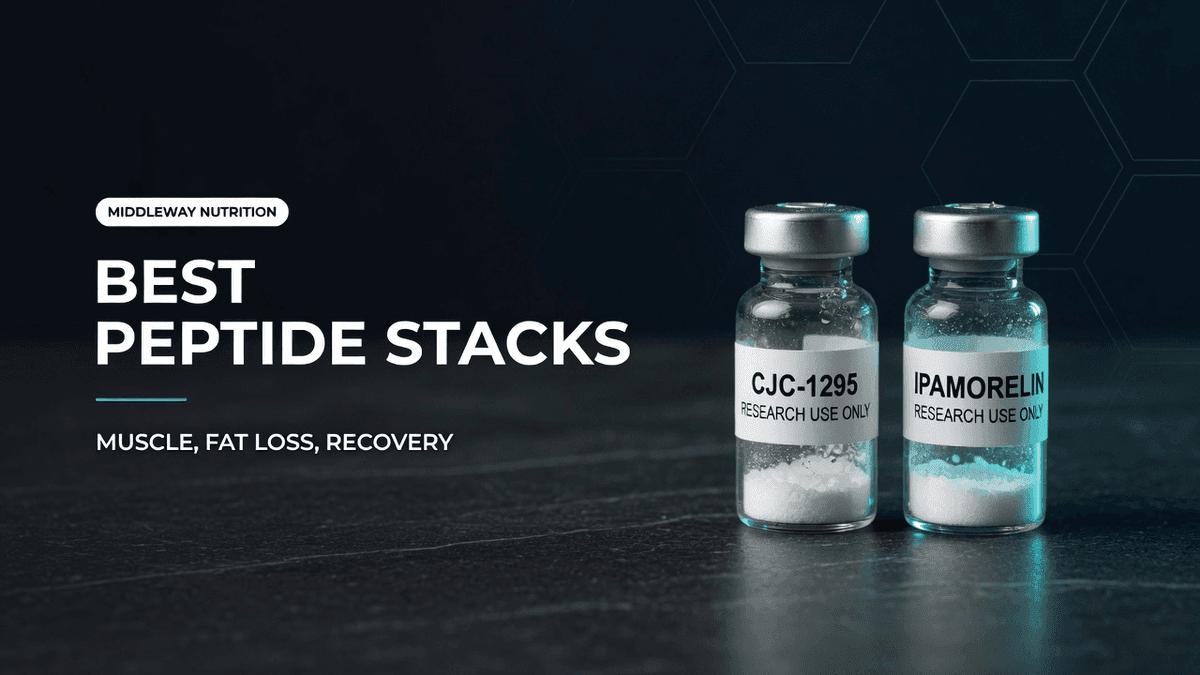
CJC-1295, Ipamorelin, Sermorelin, and Tesamorelin all stimulate your pituitary gland to produce more growth hormone — without directly injecting GH itself. Growth hormone declines with age (about 15% per decade after 30), and supporting it is linked to improved body composition, faster recovery, better sleep quality, and fat loss — particularly visceral fat. Tesamorelin has FDA approval for HIV-related lipodystrophy. The others are used off-label.
Healing & Recovery Peptides
BPC-157 (Body Protection Compound 157) is derived from a protein found in gastric juice and has shown remarkable tissue repair properties in animal studies — tendons, ligaments, muscles, gut lining. TB-500 (Thymosin Beta-4) promotes cell migration and reduces inflammation. These two are often stacked together for injury recovery protocols. Human clinical trial data is limited, but anecdotal evidence from athletes and the existing mechanistic research make them two of the most talked-about peptides in the space.
Anti-Aging Peptides
GHK-Cu (copper peptide) activates genes involved in collagen synthesis, anti-inflammation, and skin repair. Epitalon has been studied in relation to telomere lengthening and pineal gland function. These skew toward longevity protocols and topical skincare applications. The anti-aging category has the most hype and the least robust human clinical data — be appropriately skeptical.
Sexual Health Peptides
PT-141 (Bremelanotide) works differently from PDE5 inhibitors like Viagra — it acts centrally on melanocortin receptors in the brain to increase sexual arousal and desire. It's FDA-approved for hypoactive sexual desire disorder (HSDD) in women (as Vyleesi) and is widely used off-label in men. Kisspeptin is being studied for both male and female reproductive function.
Cognitive Peptides
Semax, Selank, and Dihexa are used for cognitive enhancement, mood regulation, and neuroprotection. Semax was originally developed in Russia for stroke recovery and cognitive impairment. Selank has anxiolytic effects studied in clinical settings. These are among the least regulated in the U.S. market — proceed with extra caution.
Popular Peptides by Goal: Quick Reference Table
| Peptide | Primary Goal | Common Dose Range | Admin Route | Evidence Level |
|---|---|---|---|---|
| Semaglutide | Weight loss, T2D management | 0.25–2.4 mg/week | SubQ injection | High (FDA-approved) |
| Tirzepatide | Weight loss, T2D management | 2.5–15 mg/week | SubQ injection | High (FDA-approved) |
| CJC-1295 + Ipamorelin | GH optimization, body comp | 100–300 mcg each, daily | SubQ injection | Moderate (off-label) |
| Sermorelin | GH support, anti-aging | 100–500 mcg nightly | SubQ injection | Moderate (off-label) |
| BPC-157 | Injury healing, gut repair | 250–500 mcg/day | SubQ or oral | Low-Moderate (animal + anecdotal) |
| TB-500 | Tissue repair, inflammation | 2–5 mg, 2x/week | SubQ injection | Low (limited human data) |
| PT-141 (Bremelanotide) | Sexual function/desire | 1.75 mg as needed | SubQ injection | High for women (FDA-approved); off-label for men |
| GHK-Cu | Skin health, anti-aging | Applied topically | Topical cream/serum | Moderate (cosmetic use) |
| Tesamorelin | Visceral fat reduction, GH | 1–2 mg/day | SubQ injection | High (FDA-approved for specific use) |
| Selank | Anxiety, cognitive function | 250–3,000 mcg/day | Nasal spray | Low-Moderate (Eastern European studies) |
Who Uses Peptide Therapy and Why
The patient population has gotten more diverse as awareness has grown. Five years ago, it was mostly performance-focused men in functional medicine practices. Now:
Athletes and fitness-focused individuals use GH secretagogues and healing peptides to recover faster, build lean mass, and maintain performance output as they age.
Weight loss patients — especially those who haven't had lasting success with diet and exercise alone — are turning to GLP-1 peptides like semaglutide as a medically sound, evidence-backed option. Check our detailed guide on retatrutide benefits for a look at what's next in this category.
Busy professionals in their 30s–50s are using anti-aging and cognitive peptides to address energy decline, brain fog, and body composition changes that come with hormonal shifts.
Post-injury patients — particularly those dealing with chronic joint issues, tendon problems, or gut dysfunction — are asking about BPC-157 and TB-500 when conventional medicine hasn't fully solved the problem.
People who want longevity-focused medicine are exploring protocols that go beyond symptoms to optimize cellular function, hormone levels, and inflammatory markers.
What they all share: they've done some research, they're not satisfied with "that's just part of aging," and they want something more targeted than a generic supplement stack.
Benefits Backed by Evidence vs. Benefits That Are Hyped
Let's be straight about this. The category has both.
What the evidence actually supports:
GLP-1 peptides for weight loss — this is the clearest case. Multiple large RCTs show 15–22% body weight loss with semaglutide and tirzepatide, along with cardiovascular benefits. This isn't debated.
Tesamorelin for visceral fat — FDA-approved for this indication with solid trial data behind it.
PT-141 for female sexual dysfunction — FDA-approved as Vyleesi with clinical trial support.
GHK-Cu for skin collagen — reasonable evidence in topical applications for skin elasticity and wound healing.
Sermorelin/Ipamorelin for age-related GH decline — moderate evidence; many practitioners see positive results in body composition and sleep quality with proper patient selection.
What's more speculative:
BPC-157 for human injury recovery — the animal data is genuinely impressive, but human clinical trials are limited. Many practitioners use it, and patient reports are compelling, but you should know you're ahead of the formal evidence base.
Epitalon for longevity/telomere extension — interesting animal and in vitro data, but no robust human trials. Don't spend a lot on this expectation alone.
Cognitive peptides (Semax, Selank, Dihexa) — early-stage evidence, mostly from Eastern European research. Promising mechanisms, but far from proven in Western clinical settings.
"Stacking" multiple peptides simultaneously — this is where grey market culture goes off the rails. Combining multiple peptides with limited safety data dramatically increases unknown risk. A legitimate provider isn't going to pile on five peptides at once out of the gate.
Risks and Side Effects: The Honest Version
Peptide therapy is generally considered safer than traditional hormone replacement, but "safer than" isn't the same as "safe." Here's what you actually need to know:
Common and manageable:
- Injection site reactions (redness, bruising, small lumps) — especially common with daily subQ injections
- Temporary water retention with GH secretagogues
- Nausea, GI discomfort with GLP-1 peptides (usually dose-dependent and improves with titration)
- Flushing and nausea with PT-141 in the first few hours after dosing
- Fatigue or lightheadedness when starting new protocols
More significant concerns:
- Hormonal disruption if GH protocols aren't properly monitored — specifically elevated IGF-1 levels, which may have implications for cell proliferation
- Blood sugar fluctuations, particularly with GH secretagogues in pre-diabetic patients
- Unknown long-term effects of many newer or experimental peptides
- Drug interactions, especially in patients on existing medications for diabetes, cardiovascular conditions, or hormone therapies
The grey market risk is real. Peptides purchased without a prescription from unregulated vendors may contain incorrect concentrations, bacterial contamination, or substituted compounds entirely. Infection at injection sites, systemic illness, and no therapeutic benefit are all documented outcomes from unregulated sourcing.
How to Find a Provider vs. Navigating the Grey Market
This is probably the most important section of this guide.
The legitimate path:
- Find a functional medicine doctor, anti-aging physician, or integrative health practitioner who offers peptide therapy
- Expect a proper consultation — health history, current labs, discussion of goals
- Get lab work: at minimum, hormone panels, metabolic markers, and a baseline CBC
- Receive a prescription for FDA-approved or physician-supervised compounded peptides
- Source from a licensed compounding pharmacy, not an online vendor
How to vet a provider: Ask whether they monitor lab values during the protocol. Ask about their titration approach. Ask what peptides they prescribe and why. A legitimate provider will welcome these questions. One who brushes them off isn't the right fit.
The grey market reality: Plenty of people buy peptides online from vendors operating in legal grey zones. Some of them get results. Many do not. The issue isn't just efficacy — it's safety. Without quality testing, proper storage, and accurate dosing information, you're running a real experiment on yourself with no controls.
If you're going to explore grey market options, at minimum:
- Use vendors that publish third-party COAs (Certificates of Analysis)
- Understand proper reconstitution, storage (most peptides require refrigeration), and aseptic injection technique
- Have a physician you can actually talk to if something goes wrong
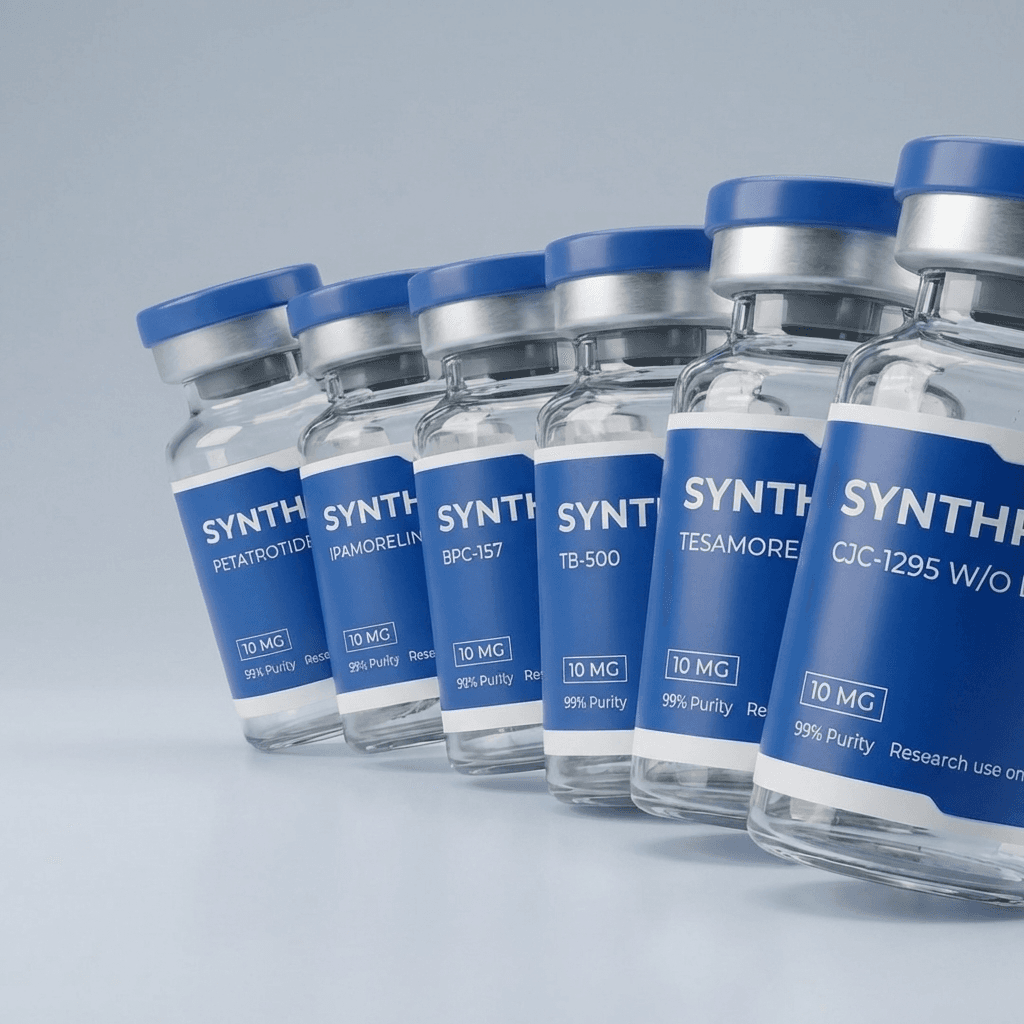
For the best outcomes, work with a licensed provider. If you do end up sourcing yourself, Synthro Lab is one vendor that meets the criteria above: at least 99% HPLC purity, every batch triple-tested, a certificate of analysis with every order, and a QR code on each label that resolves to that batch's certificate. Content, purity and endotoxin results are all published, the peptides are lyophilized domestically, and orders ship same-day to the US, EU and AU with a 30-day money-back guarantee. Their catalogue covers part of what's discussed on this page — BPC-157, TB-500, CJC-1295, Ipamorelin, GHK-Cu, Tesamorelin, Epithalon, and the GLP-1 peptides — but not everything here, so check before you assume something is listed.
Also see our guide to what is retatrutide — one of the newer peptides getting serious attention in medically supervised weight loss.
Peptide Therapy Cost Breakdown
Costs vary significantly depending on the peptide category, the provider model, and whether you're working through insurance or paying cash.
| Category | Monthly Cost Range | Notes |
|---|---|---|
| GLP-1 (semaglutide via telehealth) | $150–$350/month | Compounded versions are lower; brand name can be $1,000+ without insurance |
| GH Secretagogues (CJC-1295/Ipamorelin) | $150–$350/month | Often through compounding pharmacies with prescription |
| BPC-157 / TB-500 | $80–$200/month | Widely available grey market; prescribed through some functional medicine providers |
| PT-141 (Bremelanotide) | $100–$300/month | Dose-dependent; FDA-approved Vyleesi is more expensive |
| Anti-aging / cognitive peptides | $50–$200/month | Mostly grey market or compounded; varies widely |
| Provider consultation fee | $150–$500 one-time | Some telehealth providers include follow-up in subscription |
The biggest hidden cost: protocol failure due to lack of monitoring. A $100/month peptide that you're dosing incorrectly or storing improperly isn't $100/month — it's $100/month for nothing.
How to Get Started with Peptide Therapy
If you've gotten this far and you're thinking "I want to try this," here's the realistic path:
Step 1: Define your goal clearly. Weight loss? Recovery? Hormonal optimization? Anti-aging? Different goals point to very different peptides and protocols. Don't start with "I want to try peptides generally."
Step 2: Get baseline labs. Before you start any protocol, know where you're starting. This means at minimum: comprehensive metabolic panel, CBC, fasting glucose, and relevant hormones (IGF-1 if you're looking at GH peptides; LH/FSH/testosterone or estradiol if you're looking at hormone-adjacent protocols).
Step 3: Find a qualified provider. Telehealth has made this more accessible. Look for functional medicine physicians, anti-aging specialists, or regenerative medicine practitioners. Expect the consultation to actually cover your health history.
Step 4: Start conservatively. Legitimate protocols start at low doses and titrate up based on response and lab monitoring. Any provider who starts you at full dose on day one without prior lab work is cutting corners.
Step 5: Track your response. Keep a simple log: energy levels, sleep quality, body weight or composition, recovery from training, mood. These subjective markers plus follow-up labs at 6–12 weeks give you real data to work with.
Step 6: Reassess. Not every peptide works for every person. GH secretagogues, for example, work much better in people with genuinely low IGF-1 levels. If you don't see any response after 8–12 weeks at therapeutic doses, it may not be the right peptide, or you may need to address other variables first (sleep, diet, stress).
Frequently Asked Questions About Peptide Therapy
Is peptide therapy legal? Several peptides are fully FDA-approved drugs — semaglutide, tirzepatide, PT-141, tesamorelin. Others exist in legal grey zones, either as off-label prescriptions, compounded drugs, or unapproved substances. The legality depends entirely on the specific peptide and how it's sourced. Working with a licensed physician keeps you in clearly legal territory.
How long does it take to see results from peptide therapy? It depends on the peptide and goal. GLP-1 weight loss protocols typically show measurable results within 4–8 weeks. GH secretagogues usually take 2–3 months before body composition changes are noticeable. Healing peptides like BPC-157 are often reported to show effects on acute injuries within 2–4 weeks. Patience is part of the protocol.
Can you take peptides orally instead of injecting? Some peptides survive oral delivery — BPC-157 is one, and there's growing evidence that oral BPC-157 is effective, particularly for gut-related issues. GLP-1 peptides now include oral semaglutide (Rybelsus). Most peptides, however, are broken down by stomach acids before they reach systemic circulation. Injections remain the most reliable delivery method for the majority of therapeutic applications. If oral delivery fits your goal, see our roundup of the best peptide capsules.
Do you need to cycle peptide therapy? It depends on the peptide. GH secretagogues are often cycled (5 days on, 2 off, or 3 months on, 1 off) to prevent receptor desensitization. GLP-1 peptides are typically taken continuously. BPC-157 and TB-500 are often run in acute cycles for injury repair. Your provider should guide this.
What happens when you stop using peptides? Generally, the effects gradually reverse over time — which is why many protocols are either ongoing or repeated. Growth hormone levels return to their previous baseline, weight lost with GLP-1 peptides tends to return without continued treatment or significant lifestyle maintenance, and healing effects from repair peptides are largely permanent once the injury has resolved.
Is peptide therapy covered by insurance? FDA-approved peptides used for their approved indications — like semaglutide for obesity or diabetes — may be partially covered depending on your plan and diagnosis. Off-label use, compounded versions, and unapproved peptides are almost never covered. Expect most peptide protocols to be an out-of-pocket expense.
How do peptides differ from steroids? Anabolic steroids directly introduce synthetic hormones into your body, overriding natural production and carrying significant risks including suppression of your own hormone production, cardiovascular strain, and liver toxicity. Peptides work at the signaling level — they stimulate your body's own production mechanisms rather than replacing them. The risk profiles are substantially different.
The Bottom Line
Peptide therapy isn't magic, and it isn't hype. It's a legitimate and growing area of medicine with a wide spectrum of evidence — from rock-solid clinical data on the GLP-1 class to speculative protocols for cognitive enhancement that are genuinely ahead of the research. The difference between a good outcome and a wasted investment comes down to three things: picking the right peptide for your actual situation, working with a qualified provider who monitors you, and being honest about what the evidence does and doesn't support.
If you want targeted, data-informed support — start with a consultation, get your labs, and go from there. The body has the machinery. Peptide therapy is about learning how to speak its language.
Disclaimer: This article is for educational and informational purposes only. It does not constitute medical advice and should not be used as a substitute for professional medical consultation, diagnosis, or treatment. Always consult a qualified healthcare provider before beginning any peptide therapy protocol. Individual results vary. Some peptides discussed in this article are not FDA-approved for general use and may carry legal restrictions depending on your jurisdiction.