
Retatrutide is the most powerful weight-loss compound ever tested in a clinical trial — and right now, you cannot get it through a licensed pharmacy. The only way to access it before FDA approval is through channels that exist in varying shades of grey.
Key Takeaways
- Compounded retatrutide is federally prohibited under 503A/503B — it fails every legal eligibility criterion because no FDA-approved version exists
- The FDA sent warning letters to 50+ GLP-1 compounders in September 2025; retatrutide was explicitly named
- What's sold as "compounded retatrutide" is either grey-market peptide synthesis or outright illegal compounding
- Oral retatrutide (drops, pills) faces a severe bioavailability problem — the peptide is destroyed in the gut before it reaches the bloodstream
- Your real options: clinical trial enrollment (free, best quality), or verified peptide vendors if you understand and accept the risk
- Injectable forms from reputable peptide suppliers give you the best chance of getting the actual compound with known purity
Here's the honest picture: the search term "compounded retatrutide" is hot because people want this drug and FDA approval is 18+ months away. That demand has created a market — some of it risky, some of it more credible. This guide breaks down exactly what you're looking at when you see that term, which forms are worth considering, and where the actual access points are in 2026.
What "Compounded" Actually Means (And Why Retatrutide Is Different)
Compounding is a legitimate pharmaceutical practice. A compounding pharmacy takes bulk active pharmaceutical ingredients (APIs) and prepares customized formulations — different doses, different delivery forms, combinations that don't exist commercially. It's how patients who need a specific dose or can't swallow a standard tablet get their medication.
Federal law allows compounding under two pathways:
- 503A: Patient-specific prescriptions from state-licensed pharmacies
- 503B: Outsourcing facilities that produce larger batches for healthcare providers
Both pathways have strict eligibility requirements. A drug can only be legally compounded if it has a USP/NF monograph, is a component of an already-approved drug, or appears on the FDA's drug shortage list.
Retatrutide fails all three tests — completely. There is no approved retatrutide drug (it's still in Phase 3 trials). It's not a component of any approved medication. It has never been on the shortage list because there was never an approved version to run short. The FDA stated this directly: "Retatrutide and cagrilintide cannot be used in compounding under federal law."
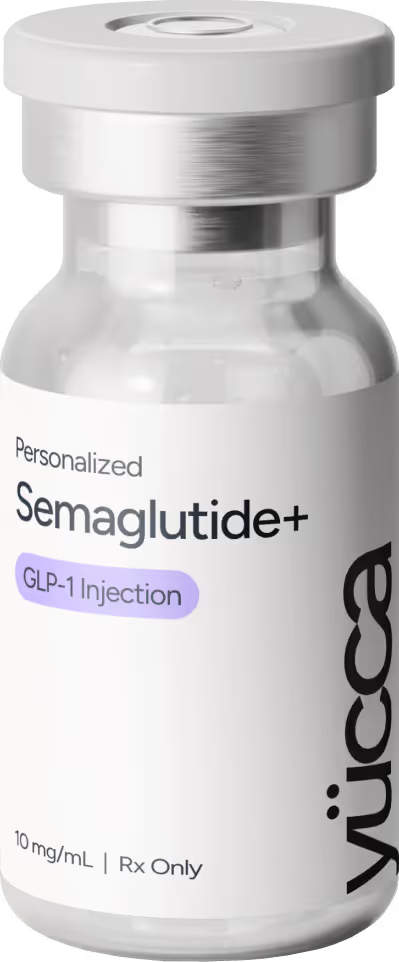
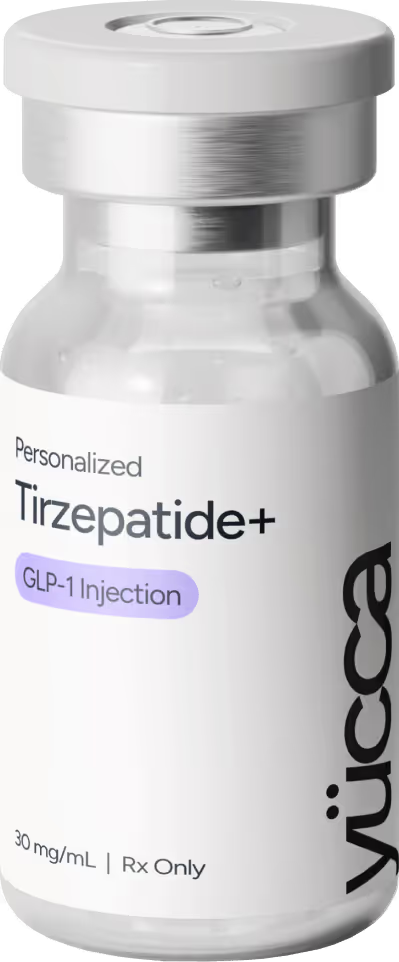
This is categorically different from what happened with semaglutide and tirzepatide. Those drugs had approved versions (Ozempic, Wegovy, Mounjaro, Zepbound), which meant they qualified for the shortage-list exemption when supply couldn't meet demand. That window closed in 2025 — but the window for retatrutide never opened at all.
The Legal Status of Compounded Retatrutide in 2026
The FDA has been unusually direct about this. In April 2025, the agency sent a letter to the Federation of State Medical Boards explicitly stating that compounded retatrutide violates the Federal Food, Drug, and Cosmetic Act. State pharmacy boards followed up. By September 2025, the FDA had issued 50+ warning letters to GLP-1 compounders, with multiple letters citing retatrutide specifically.
At least one enforcement action cited violations of FDCA Sections 505(a), 502(f)(1), 301(a), and 301(d) — that's introduction of an unapproved new drug, misbranding, and prohibited acts. The Alliance for Pharmacy Compounding (A4PC), the industry's own trade association, told its members explicitly: "Don't compound retatrutide."
There's also an ongoing legal wrinkle: Eli Lilly filed suit against the FDA in September 2024 over whether retatrutide should be classified as a chemical drug or a biologic. If it's reclassified as a biologic, it faces additional statutory barriers to compounding. As of early 2026, that case was unresolved — but the compounding prohibition stands either way.
Bottom line: If someone is selling you "compounded retatrutide" through what appears to be a standard telehealth + pharmacy model, they're either misrepresenting their product or operating illegally.
What You're Actually Buying When You See "Compounded Retatrutide"
This is the part most articles skip. "Compounded retatrutide" means one of two things:
1. Research peptide vendors (the majority) These are labs — often Chinese manufacturers supplying US or European repackagers — that synthesize the retatrutide peptide and sell it as lyophilized (freeze-dried) powder or solution. Labels say things like "for laboratory use" or similar. This is not compounding in any pharmaceutical sense. There's no pharmacy involved, no pharmacist oversight, no quality controls equivalent to any regulatory standard.
Quality varies enormously. Some vendors test their batches and publish certificates of analysis (COAs). Others sell whatever they made with minimal testing. The better vendors have third-party HPLC analysis confirming peptide identity and purity. The worse ones don't.
2. Outright illegal compounding operations A smaller number present themselves as compounding pharmacies and produce patient-specific retatrutide preparations. These are the operations receiving FDA warning letters. They may have licensed pharmacists and professional websites, but they're violating federal law.
See our full guide on where to buy retatrutide for a breakdown of specific vendor criteria.
Oral Retatrutide: Drops, Pills, and the Bioavailability Problem
You'll see retatrutide sold in oral forms — sublingual drops, troches, pills, capsules. The marketing pitch is convenience: no injections, easier to titrate. The reality is more complicated.
Retatrutide is a peptide — a chain of amino acids. When you swallow a peptide, your digestive system does exactly what it's supposed to: breaks proteins into their component amino acids. By the time retatrutide reaches your small intestine, it's not retatrutide anymore. It's amino acid fragments with no receptor activity.
Sublingual and buccal (cheek) delivery tries to get around this by absorbing through the mucous membranes of the mouth, bypassing the gut. There's legitimate science behind this approach for some peptides. But retatrutide's molecular size (roughly 4,500 daltons) makes mucosal absorption challenging. Larger peptides simply don't cross mucous membranes efficiently without specialized absorption enhancers.
What this means practically:
| Form | Route | Estimated Bioavailability | Notes |
|---|---|---|---|
| Injectable (subcutaneous) | Under the skin | ~100% | How clinical trials deliver it; gold standard |
| Sublingual drops | Under the tongue | Likely <5% | Larger peptides absorb poorly through mucosa |
| Oral pills/capsules | Swallowed | Near 0% | Peptide destroyed by stomach acid and proteases |
| Buccal troches | Dissolved in cheek | Unknown, likely low | No clinical data for retatrutide specifically |
If someone is selling you oral retatrutide and claiming it delivers meaningful systemic effects, ask them for the pharmacokinetic data. There isn't any. The clinical trial data showing 24%+ weight loss was generated entirely with subcutaneous injection. Every oral form is speculative at best, a waste of money at worst.
The one caveat: pharmaceutical companies are actively researching oral peptide delivery, and Novo Nordisk already markets an oral semaglutide (Rybelsus) using a specific absorption enhancer called SNAC. If a similar formulation ever existed for retatrutide, it would be something entirely different from what's sold in the grey market today.
Grey-Market Peptide Vendors vs. Compounding Pharmacies: The Real Difference
This distinction matters because people use these terms interchangeably, but the risk profiles are different.
| Factor | Compounding Pharmacy (for retatrutide) | Grey-Market Peptide Vendor |
|---|---|---|
| Legal status | Federally prohibited | Unregulated but not explicitly prohibited for "research" |
| Prescription required | Yes (and prescriber is also at risk) | No |
| Quality oversight | Pharmacist on record (but illegal operation) | Varies; best vendors publish COAs |
| Sterility | Should have USP standards | Variable; lyophilized powder is safer than pre-made solutions |
| Who's liable | Pharmacy, prescriber, patient | Primarily buyer |
| Price range | $200–500/month | $100–400 per unit |
| Traceability | More paper trail | Less paper trail |
The irony: a compounding pharmacy selling retatrutide is technically more legally problematic than a research peptide vendor, because the pharmacy is explicitly violating FDCA provisions while the peptide vendor operates in a different (though still legally murky) space.
For practical purposes, if you're going to access retatrutide before approval, the research peptide route through a reputable vendor with batch testing is the more honest option. You know what you're getting: a grey-market peptide of varying quality, not a pharmaceutical-grade medication.
Dosage Reference: What Clinical Trials Used
The Phase 2 data used these dose escalation schedules. Grey-market protocols have generally mirrored this, though there's no standardized dosing outside of clinical trials.
| Weeks | Dose (Phase 2) | Frequency | Notes |
|---|---|---|---|
| 1–4 | 2 mg | Once weekly | Starting dose across all cohorts |
| 5–8 | 4 mg | Once weekly | Standard first escalation |
| 9–12 | 8 mg | Once weekly | Mid-trial dose in high-dose cohort |
| 13–24 | 12 mg | Once weekly | Highest dose; 24.2% mean weight loss at 48 weeks |
| Phase 3 (TRIUMPH) | 4 mg / 8 mg / 12 mg | Once weekly | Multiple arms with stepwise escalation |
Important: These are clinical trial doses under medical supervision with weekly monitoring. Grey-market use without bloodwork and regular check-ins is higher-risk. Side effects at higher doses included nausea, vomiting, and decreased appetite (expected), plus some reports of injection site reactions.
Where to Get Retatrutide in 2026
There are three realistic options, in order of safety and quality:
Option 1: Clinical trial enrollment (best) Eli Lilly's TRIUMPH Phase 3 program is still recruiting. You get pharmaceutical-grade retatrutide free of charge with full medical supervision. The tradeoff: you might get placebo (roughly 1-in-3 odds), and you need to live near a trial site. Search ClinicalTrials.gov for active sites.
Option 2: Reputable peptide vendors If you're not a trial candidate or don't want to wait, verified peptide suppliers with third-party HPLC testing are the practical alternative. Look for vendors that publish COAs, test for peptide identity (not just purity), and have a track record in the community. Batch testing is non-negotiable — it's how you confirm you're getting retatrutide and not a cheaper peptide analog.
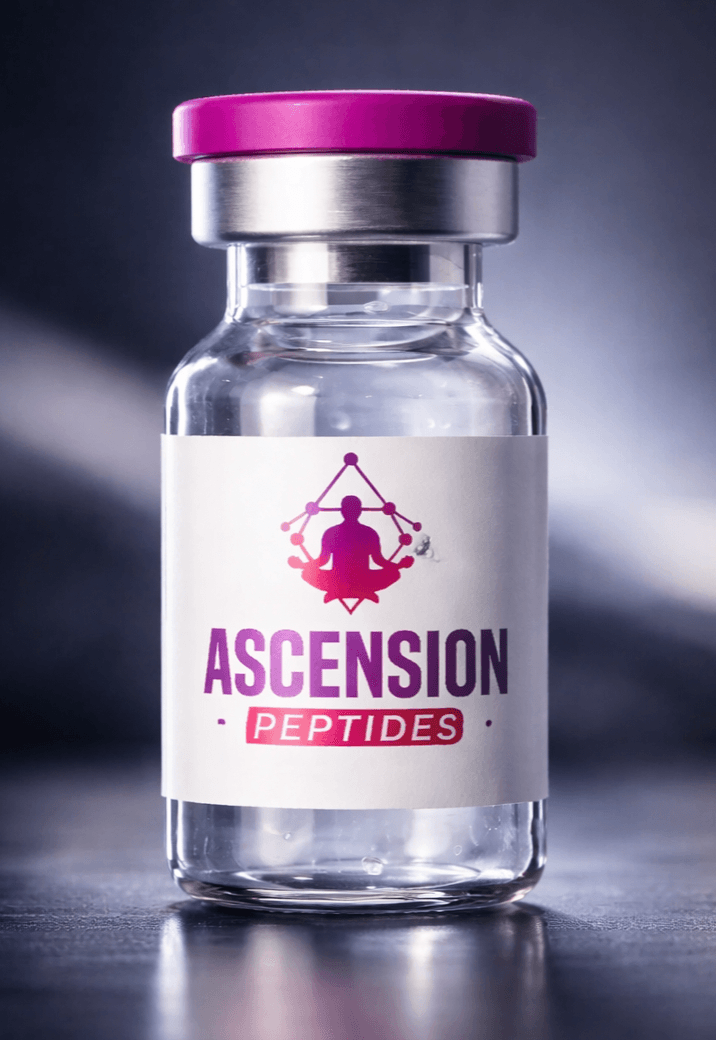
Ascension Peptides carries verified retatrutide (listed as R-30) with published COAs and has become one of the more consistently referenced sources in peptide communities. They ship within days and don't require a prescription.
See our detailed breakdown at where to buy retatrutide and cost comparison at retatrutide cost.
Option 3: Wait for FDA approval Expected 2027–2028. Once approved, it'll be available by prescription, insurance coverage is possible, and pharmaceutical-grade quality is guaranteed. See our timeline at when will retatrutide be available.
What Legitimate Compounding Could Look Like Post-Approval
Here's something worth thinking about: if retatrutide gets FDA approval, compounding could become legal — under specific conditions. If there's a shortage, if a patient needs a specific dose not commercially available, or if the drug makes it onto the 503A bulk drug substances list, compounding pharmacies could legally produce it.
At that point, "compounded retatrutide" would mean something very different from what it means today. You'd have a licensed pharmacist producing a legitimate preparation from verified bulk API, under state board oversight, with a valid prescription. That's the version that makes sense clinically.
Right now, nothing being sold as "compounded retatrutide" meets that standard. Most of it doesn't even come close.
Risks You Should Actually Know About
People access grey-market peptides constantly, and most don't encounter catastrophic problems. But the risks are real and worth stating plainly:
Quality uncertainty: Even with COAs, batch-to-batch consistency varies. You might get 95% purity one order and 70% the next.
Contamination: Bacterial endotoxins are the main concern with peptide synthesis. Good vendors test for this; many don't.
Dosing error: Reconstituting lyophilized peptides requires accurate measurement. Errors in concentration can lead to significant overdose or underdose.
No medical oversight: GLP-1-class compounds can affect heart rate, blood pressure, and metabolic function. Without regular bloodwork, problems can go undetected.
Legal exposure: Buying grey-market peptides for personal use is generally not enforced against individual buyers, but the legal framework is unclear and could change.
None of this is meant to be scare-tactic content. It's the honest tradeoff. Clinical trials eliminate most of these risks; grey-market access carries them all.
Retatrutide vs. Currently Available Compounded GLP-1s
With semaglutide and tirzepatide compounding now also restricted (shortage exemptions expired), the GLP-1 compounding landscape has narrowed significantly. Here's where things stand:
| Compound | Compounding Status | Approved? | Best Available Route |
|---|---|---|---|
| Semaglutide | Restricted (shortage period ended) | Yes (Ozempic, Wegovy) | Branded Rx |
| Tirzepatide | Restricted (shortage period ended) | Yes (Mounjaro, Zepbound) | Branded Rx |
| Retatrutide | Prohibited (no approved version exists) | No | Clinical trial or peptide vendor |
| Cagrilintide | Prohibited (same legal basis as retatrutide) | No | Clinical trial only |
If you're looking for a currently legal compounded GLP-1 option, the honest answer is that the options have narrowed substantially in 2025–2026.
FAQs
Q: Is compounded retatrutide legal? No. The FDA has explicitly stated that retatrutide cannot be used in compounding under federal law. Unlike semaglutide and tirzepatide, which had approved versions and qualified for shortage exemptions, retatrutide has never been FDA-approved and therefore never qualified for those exemptions. Any pharmacy selling "compounded retatrutide" is violating federal law.
Q: What's the difference between compounded retatrutide and research peptide retatrutide? Compounded retatrutide implies a licensed pharmacy produced it under pharmaceutical standards — which would be illegal for this compound. Research peptide retatrutide comes from chemical synthesis labs and is sold without pharmaceutical oversight. Neither is FDA-approved; the research peptide route is technically in a different (though still murky) legal category. See the comparison table above.
Q: Does oral retatrutide work? What about drops or pills? The evidence suggests oral retatrutide has very poor bioavailability. Retatrutide is a large peptide (~4,500 daltons) that's broken down by digestive enzymes before reaching the bloodstream. Sublingual drops have better theoretical absorption, but no pharmacokinetic data confirms meaningful systemic delivery for a peptide of this size. All clinical data showing significant weight loss used subcutaneous injection.
Q: How much does retatrutide cost on the grey market? Research peptide vendors typically price retatrutide at $100–$400 per unit depending on quantity and concentration. Monthly costs vary widely based on dosing. See our retatrutide cost guide for a current breakdown.
Q: When will FDA-approved retatrutide be available? Phase 3 TRIUMPH trials are ongoing. FDA approval is currently expected in 2027 or 2028 pending trial results and review timeline. Eli Lilly's ongoing lawsuit over drug vs. biologic classification could affect the timeline. Full details at when will retatrutide be available.
Q: What should I look for in a peptide vendor if I'm going to buy retatrutide? Third-party HPLC testing confirming peptide identity (not just purity percentage), published COAs with batch numbers, endotoxin testing, proper cold-chain shipping for solutions, and an established community reputation. Avoid vendors that can't provide COAs on request or that reuse the same COA across multiple batches.
Q: Can a doctor prescribe compounded retatrutide? Legally, no. A prescriber could write a prescription, but no licensed compounding pharmacy can legally fill it. Any healthcare provider doing so is exposing themselves to significant liability. The FDA letter was also sent to the Federation of State Medical Boards — physicians are aware that prescribing compounded retatrutide carries legal risk.
CTA: Ready to Source Retatrutide?
If you've weighed the options and want access to verified retatrutide with third-party COAs before FDA approval, Ascension Peptides is the vendor we consistently recommend. R-30 ships within days, comes with published purity testing, and is priced competitively for the quality tier.
For broader sourcing guidance, dose calculations, and cost comparisons, see:
- Where to Buy Retatrutide →
- Retatrutide Cost Guide →
- When Will Retatrutide Be Available? →
Disclaimer: Retatrutide is an investigational compound that is not FDA-approved for any indication. This content is for informational purposes only and does not constitute medical advice. Grey-market peptide vendors operate outside pharmaceutical regulatory frameworks; quality, purity, and safety are not guaranteed. Do not use any investigational compound without consulting a qualified healthcare provider. The information presented here reflects publicly available data as of early 2026 and may be subject to change as regulatory and clinical trial status evolves.