
Retatrutide Cost: What You'll Actually Pay in 2026
Retatrutide isn't on pharmacy shelves — and the price depends entirely on which grey-market door you walk through. Research peptide vendors are selling it for as little as $150/month at low doses. Compounding-adjacent telehealth programs charge $400–$600. Cash-pay clinics? Up to $2,400 monthly. When FDA approval eventually lands (the optimistic bet is 2027–2028), expect a commercial list price somewhere near what Mounjaro costs — roughly $1,000–$1,300 per month before insurance.
Key Takeaways
- Retatrutide has no FDA-approved price yet — it's still in Eli Lilly's TRIUMPH Phase 3 trials
- Research peptide costs range from under $100/month at starter doses to $900+/month at 12mg weekly
- Compounded retatrutide via telehealth is the middle ground: less sketchy than peptide vendors, cheaper than clinics
- No insurance coverage exists in 2026; there's no drug to cover
- FDA's position, current as of June 2026: retatrutide cannot be used in compounding under federal law, so the $300–$600 "compounded" tier isn't a licensed pharmacy price either
- Clinical trials were the only way to get free, verified retatrutide, and that door has mostly shut: TRIUMPH-1 through TRIUMPH-4 have completed and TRIUMPH-Outcomes is closed to new enrollment
- The "hidden costs" (syringes, bacteriostatic water, labs, consultation fees) add $50–$200 to every month's budget
Before we get into the tables, here's the honest context: this drug works. Phase 2 trial participants on 12mg lost an average of 24.2% of body weight at 48 weeks — a number that makes tirzepatide look modest. The pricing situation is messy because the drug exists in a regulatory grey zone. You're either getting a research chemical from a peptide vendor, a compounded preparation from a telehealth platform, or paying clinic rates that bundle in monitoring you may or may not need.
Why Retatrutide Costs What It Does
Retatrutide (LY3437943) is a 39-amino acid triple agonist that activates GLP-1, GIP, and glucagon receptors simultaneously. Manufacturing it is genuinely complex — longer than semaglutide (31 amino acids), requiring triple binding specificity validation. The synthesis overhead is real, which is why you won't find $20 vials of legitimate retatrutide anywhere.
Eli Lilly holds the IND and is the only entity with pharmaceutical-grade material. Everything else — every vial sold by a peptide vendor or compounded by a pharmacy — is either synthesized separately by third-party labs (mostly Chinese manufacturers) or, in the compounding case, prepared under medical oversight using bulk API. Neither is "pharmaceutical grade" in the FDA sense. That's not a criticism of the products necessarily; it's just the regulatory reality.
Price is also driven by dose. Unlike semaglutide where most people top out at 2.4mg weekly, retatrutide doses in trials ran from 1mg to 12mg per week. A vial that lasts three months at a starter dose lasts less than a week at maximum clinical doses. That's the single biggest variable in your monthly spend.
Retatrutide Vial Pricing: What Vendors Actually Charge
| Vial Size | Price Range | At 2mg/wk | At 4mg/wk | At 8mg/wk |
|---|---|---|---|---|
| 5mg | $40–$120 | ~5 weeks | ~2.5 weeks | ~1 week |
| 10mg | $80–$200 | ~10 weeks | ~5 weeks | ~2.5 weeks |
| 15mg | $120–$280 | ~15 weeks | ~7.5 weeks | ~3.7 weeks |
| 30mg | $180–$400 | ~30 weeks | ~15 weeks | ~7.5 weeks |
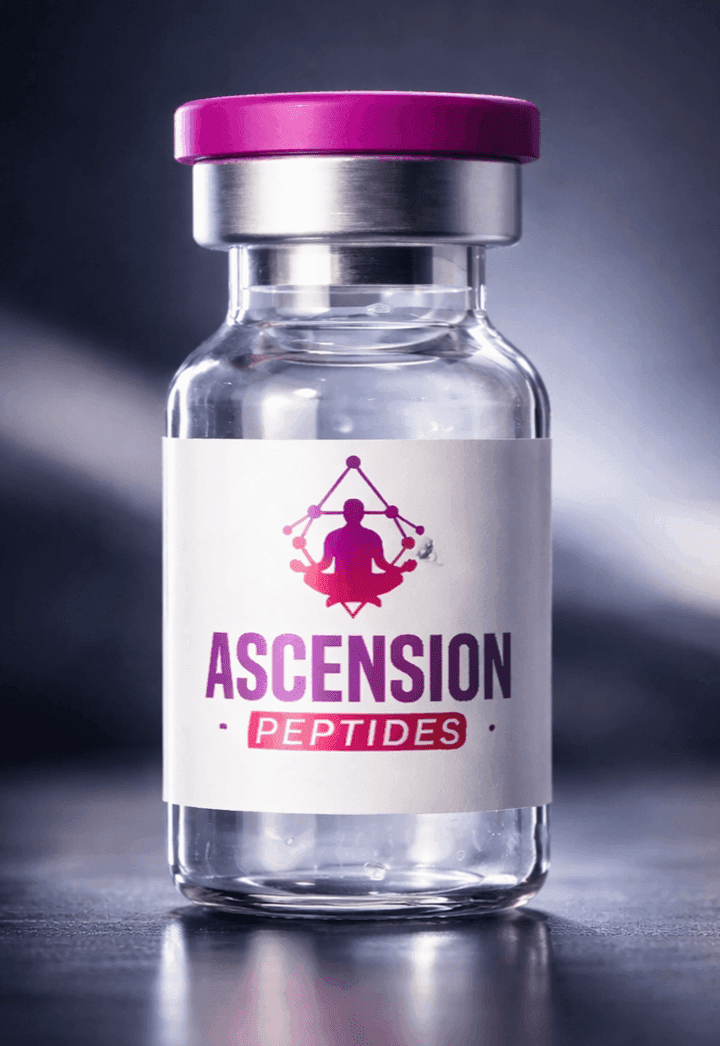
Ascension Peptides is our first stop on this one: its R-10 (retatrutide, 10 mg) is $80.00 and its R-30 (retatrutide, 30 mg) is $200.00, and every batch has a published certificate of analysis. See where to buy retatrutide for a full vendor comparison →
The range within each vial size is wide because quality and vendor reputation vary. A $40 5mg vial from an unvetted overseas seller and a $120 5mg vial from a domestic vendor with published HPLC results are not the same product in any meaningful sense. The $80 difference sometimes buys you verification. Sometimes it just buys you a fancier website. Vendor pricing shifts fast on retatrutide, so a second retatrutide cost and price breakdown is worth checking before you buy.
Monthly Retatrutide Cost by Dose
This is the table you actually need if you're budgeting. Dose determines everything.
| Weekly Dose | Monthly Peptide Needed | Low-End Cost | High-End Cost | Phase |
|---|---|---|---|---|
| 0.5mg | ~2mg | $15–$50 | $50–$100 | Microdose start |
| 1mg | ~4mg | $30–$80 | $80–$150 | Starting clinical |
| 2mg | ~8mg | $60–$160 | $150–$280 | Escalation |
| 4mg | ~16mg | $120–$320 | $280–$480 | Mid-titration |
| 8mg | ~32mg | $250–$550 | $500–$800 | Effective range |
| 12mg | ~48mg | $350–$750 | $700–$1,000+ | Maximum tested |
Most people doing retatrutide outside of clinical trials start at 1–2mg weekly and titrate slowly. The 4–8mg range is where significant weight loss effects kick in based on Phase 2 data. Jumping straight to high doses isn't just expensive — it's also where the side effect profile gets more pronounced. Our retatrutide dosage guide walks the ramp step by step.
Retatrutide Cost Chart: 24 Weeks of Weight Loss, Priced Out
The per-dose table above answers "what does one month cost." The question most people are actually asking is what a full weight loss run costs from the first injection to a working dose. Here's that cost chart, built on a 24-week ramp that mirrors the dose ladder used in the Phase 2 trial arms (2mg, then 4mg, then 8mg, then 12mg) rather than any clinician's protocol. Retatrutide is not approved, and none of this is a prescribed schedule — it's the convention people outside trials follow, priced out.
Assumptions, stated so you can redo the math with your own vendor: one injection per week, four injections per four-week block, and a blended grey-market vendor price of $7/mg at the low end (a 30mg vial around $200, which is $6.67/mg) to $15/mg at the high end (a 5–10mg vial at the top of its range). No pharmacy price exists to compare against.
| Weeks | Weekly dose | Peptide used in block | Block cost | Running total |
|---|---|---|---|---|
| 1–4 | 1mg | 4mg | $28–$60 | $28–$60 |
| 5–8 | 2mg | 8mg | $56–$120 | $84–$180 |
| 9–12 | 4mg | 16mg | $112–$240 | $196–$420 |
| 13–16 | 4mg (hold) | 16mg | $112–$240 | $308–$660 |
| 17–20 | 8mg | 32mg | $224–$480 | $532–$1,140 |
| 21–24 | 8mg | 32mg | $224–$480 | $756–$1,620 |
Twenty-four weeks of that ramp consumes 108mg of peptide and costs $756–$1,620, which averages to roughly $135–$295 per month across the five and a half months. Add the supplies, labs and consult fees covered further down ($50–$200/month, so $275–$1,100 over the same stretch) and the all-in figure for a first 24 weeks lands between $1,030 and $2,720.
Two things the chart makes obvious. First, the cheap months are the early ones, so a low quoted monthly price usually describes weeks 1–8, not the doses that produced the trial's weight loss numbers. Once you're holding 8mg weekly, you're burning about 34mg every calendar month, which is $240–$520 in peptide alone. Second, the $7/mg bulk price is partly theoretical at low doses: a 30mg vial bought during the 1mg/week phase would need to stay usable for thirty weeks after reconstitution, well past what vendors themselves suggest for a reconstituted vial. The good per-mg price only materializes at doses that actually consume the vial.
Retatrutide vs. Semaglutide vs. Tirzepatide: Cost Comparison
Here's where retatrutide starts to look more defensible financially, assuming the efficacy gap holds.
| Drug | Monthly Cost (Rx) | Monthly Cost (Compounded) | Avg Weight Loss | Receptors |
|---|---|---|---|---|
| Semaglutide (Wegovy) | $1,300–$1,600 | $200–$400 | ~15% (68 wks) | GLP-1 |
| Tirzepatide (Zepbound) | $1,000–$1,400 | $300–$500 | ~20% (72 wks) | GLP-1 + GIP |
| Retatrutide (research) | $150–$900 | $300–$600 | ~24% (48 wks)* | GLP-1 + GIP + GCG |
| Retatrutide (projected Rx) | $1,100–$1,400 | N/A | TBD at approval | GLP-1 + GIP + GCG |
*Phase 2 data, not directly comparable to Phase 3 trial designs for sema/tirze.
The compounded GLP-1 market has matured to the point where semaglutide and tirzepatide are genuinely affordable via telehealth. Retatrutide is still more expensive on a per-mg basis because it's harder to synthesize and less commoditized. That gap will likely narrow over the next 12–18 months if demand holds.
Compounded Retatrutide and Telehealth Options
A small but growing number of telehealth platforms are offering retatrutide through compounding pharmacies or as part of medical weight loss programs. These typically run $300–$600/month and include at minimum a provider consultation. Some bundle in ongoing support and lab monitoring.
The advantage over raw peptide vendors: there's medical oversight, and you're not sourcing from an unregulated vendor directly. The disadvantage is bigger than "grey area." FDA's statement on unapproved GLP-1 drugs, current as of June 15 2026, is blunt about it: "Retatrutide and cagrilintide cannot be used in compounding under federal law," because neither is a component of an FDA-approved drug and neither has been found safe and effective for any condition. The agency says it has warned telehealth companies for marketing unapproved retatrutide directly to consumers, active pharmaceutical ingredient distributors for selling retatrutide to compounders, and outsourcing facilities for repackaging it.
So when a platform quotes $400/month for compounded retatrutide, understand what you're buying: not a licensed pharmacy preparation of an approved drug, and not something the agency treats as permissible compounding. Some pharmacies still prepare it under an office-use or research-adjacent argument. That argument is the thing FDA has been sending letters about, which is also why this tier's pricing and availability move around so much.
If you go this route, the questions worth asking the platform are:
- Where is the API sourced, and is there third-party purity testing?
- Is a licensed prescriber reviewing your case, or is this essentially rubber-stamp approval?
- What dose schedule is being recommended, and does it match published trial data?
Retatrutide Price in the USA (August 2026)
There is no American retail price for retatrutide, in the way that phrase normally works. No NDC, no pharmacy stock, no GoodRx coupon, no cash price at a Costco or Walgreens counter. The price of retatrutide in the USA is a grey-market number by definition, and every figure on this page, including every figure a competing site quotes, is a vendor's asking price rather than a drug price.
Three things shape what a US buyer actually faces:
It cannot legally be compounded. Covered above, but it belongs here too: FDA states that retatrutide cannot be used in compounding under federal law. That removes the one route that would otherwise produce a real, pharmacy-issued US price.
The border is where the enforcement is. FDA has established a green list import alert (66-80) covering GLP-1 active pharmaceutical ingredients with potential quality concerns, aimed at API entering the US supply chain rather than at individual vials. It doesn't ban compliant API imports. It does tell you where the agency's attention sits, and it's part of why domestic-warehouse vendors charge a premium over direct-from-overseas orders. That premium buys shipping time and a returns address, not oversight.
Per-mg, not per-vial, is the honest US number. Across US-stocked vendors the spread runs roughly $6/mg (30mg vial near $200) to $24/mg (5mg vial at $120), which is why the same "retatrutide peptide cost" question gets answers between $150 and $900 a month depending on who's answering and at what dose.
For anyone shopping purely on price in the USA, this is the comparison that actually matters in August 2026:
| What a US buyer can get today | Self-pay price per month |
|---|---|
| Retatrutide | No approved product, no pharmacy price, no coupon |
| Zepbound (tirzepatide) KwikPen, self-pay via LillyDirect | $299 at 2.5mg, $399 at 5mg, $449 at 7.5mg and above |
| Wegovy (semaglutide) pen, self-pay via NovoCare Pharmacy | $349 for 0.25–2.4mg, $399 for the HD 7.2mg pen ($199/month intro for the first 2 months) |
| Wegovy oral, self-pay via NovoCare Pharmacy | From $149 at 1.5mg or 4mg (the 4mg offer runs to Aug 31 2026, then $199) |
Those manufacturer prices were checked directly on Lilly's and Novo Nordisk's own pages in August 2026, and the intro tiers are explicitly time-limited. The reason to put them next to retatrutide pricing is that the old argument for the grey market, that approved drugs cost $1,000+ a month, no longer holds. An approved, pharmacy-dispensed tirzepatide at $299–$449 a month sits inside the same budget as a mid-dose research peptide, with a label, a lot number, and a manufacturer behind it. Retatrutide's case has to rest on the efficacy gap now, not on price.
The free route has also narrowed. On ClinicalTrials.gov, TRIUMPH-1 (NCT05929066, 2,335 participants) completed in April 2026, TRIUMPH-3 in May 2026, TRIUMPH-2 in June 2026, and TRIUMPH-4 back in November 2025. TRIUMPH-Outcomes, the cardiovascular and kidney outcomes study, is active but no longer recruiting, with primary completion scheduled for February 2029. Trial enrollment is no longer a realistic way for a US resident to get retatrutide at $0.
Retatrutide Cost Without Insurance
There's no beating around this: no insurance covers retatrutide in 2026. There's nothing to cover. The drug isn't approved. Even once it's approved, insurance coverage for obesity medications is notoriously inconsistent — tirzepatide for weight loss was denied by many plans for years after approval.
The realistic insurance scenario:
- 2026: No coverage. Full out-of-pocket.
- 2027–2028 (if approved): Limited coverage initially, likely requiring prior authorization, BMI thresholds, and documentation of comorbidities.
- Long-term: Coverage depends heavily on whether your plan covers obesity drugs at all. Many don't.
Medicare explicitly excludes drugs prescribed solely for weight loss under Part D, though that may change. Employer plans vary wildly. Don't budget for insurance coverage before you have it confirmed in writing.
The Hidden Costs of Retatrutide
Nobody talks about these, but they're real and they add up fast.
Supplies: Insulin syringes or pen needles ($15–$30/month), bacteriostatic water for reconstitution ($8–$20 per vial), alcohol swabs. Budget ~$30–$50/month.
Labs: If you're being responsible, you'll want baseline metabolic panels, lipids, and thyroid markers before starting and at intervals. Cash-pay labs (through services like Ulta Lab Tests or Walk-In Lab) run $80–$200 for a relevant panel.
Consultation fees: Telehealth visit for oversight, $75–$200 per visit. Even one per quarter adds $25–$50/month to your real cost.
Anti-nausea meds: Ondansetron is cheap ($5–$20) but if you're titrating up and hitting GI side effects, this is a real line item.
Reconstitution storage: A small dedicated fridge or freezer compartment isn't strictly necessary, but peptide stability is temperature-dependent. Existing fridge space is fine; a new one is not.
Total hidden costs: $50–$200/month on top of whatever you're spending on the peptide itself.
Is There a Retatrutide Coupon or Sale?
Not in the pharmaceutical sense — there's no GoodRx page, no manufacturer patient assistance program, no coupon for a drug that doesn't have an official commercial product.
What does exist:
- Vendor sale events: Research peptide vendors periodically discount vials 10–20%, especially around holidays or when introducing new products. Following vendors directly (email list or social) is the only way to catch these.
- Bulk buying: Purchasing larger vials almost always lowers per-mg cost significantly. A 30mg vial vs. five 6mg vials is often 30–40% cheaper per mg.
- Group buys: Peptide communities on Reddit (r/Peptides) occasionally organize group buys where bulk pricing is negotiated with vendors.
- Clinical trials: Still technically a "coupon" for $0 — and you get verified pharmaceutical-grade product plus monitoring. when will retatrutide be available
There's no loyalty program for grey market peptides. If you see a vendor advertising a "retatrutide coupon code," they're using SEO bait — the actual savings are in bulk pricing, not promo codes.
Where to Buy Retatrutide in 2026
If you've made the decision to proceed, Ascension Peptides is the vendor we rank first. Retatrutide sits in their catalogue as R-10 (retatrutide, 10 mg) at $80.00 and R-30 (retatrutide, 30 mg) at $200.00, with 3% / 5% / 10% off when you buy 3 / 5 / 10 units. Every batch is independently tested (currently by Kovera Labs) for HPLC purity, LC-MS identity, net content per vial, endotoxin, sterility and heavy metals, with a >98% purity pass mark, and the batch certificates sit in a public COA library. Shipping is US-only and free over $250, and all sales are final (damaged or incorrect items are replaced if reported quickly). That's a vendor listing, not an endorsement: no third party verifies research peptides the way FDA verifies an approved product, and no vendor on this market is selling something a pharmacist would recognize as a drug.
Our full where to buy retatrutide comparison covers testing documentation, shipping and per-mg pricing across the vendors people actually use.
What Will Retatrutide Cost After FDA Approval?
This is speculative but grounded in comparable pricing. Tirzepatide (Zepbound) launched at approximately $1,059/month list price. Semaglutide (Wegovy) at $1,349/month. Retatrutide, as a potentially superior drug with more complex synthesis, will likely sit at or above tirzepatide's pricing — call it $1,100–$1,500/month at list price.
Whether that translates to your out-of-pocket cost depends on:
- Insurance coverage (uncertain until there's an approved product and coverage negotiations happen)
- A patient assistance program (Eli Lilly runs these for Mounjaro/Zepbound; reasonable to expect one for retatrutide too)
- Compounded availability (if approved drugs are still compound-able, the compounded market will continue)
One assumption in that $1,100–$1,500 figure is already outdated: for GLP-1 drugs in the USA, list price is no longer what a cash patient pays. Both manufacturers now run direct self-pay channels, and they reset the ceiling hard.
| Drug | 2023–2024 list price | Self-pay price, August 2026 |
|---|---|---|
| Zepbound (tirzepatide) | ~$1,059/month | $299–$449/month via LillyDirect |
| Wegovy (semaglutide) | ~$1,349/month | $349/month pen, $399/month HD 7.2mg |
If retatrutide launches into that market, it launches with a self-pay tier attached, because its competitors already have one. That makes a $400–$700/month direct-pay price a more useful planning number than the list figure, with list price mattering only to whoever is billing insurance. To be clear, that's an inference from how Lilly prices Zepbound today, not a price Lilly has announced for a drug that isn't approved.
The FDA approval timeline is genuinely uncertain, though the Phase 3 program has moved further than "ongoing" suggests: TRIUMPH-4 completed in November 2025, TRIUMPH-1 in April 2026, TRIUMPH-3 in May 2026 and TRIUMPH-2 in June 2026, per their ClinicalTrials.gov records. Completed trials are not an approval, and the TRIUMPH-Outcomes cardiovascular study doesn't reach primary completion until February 2029. Optimists say 2027; realistic timelines put it at 2027–2028. See when will retatrutide be available for the full timeline.
Budgeting for Retatrutide: What Different Spenders Actually Get
Under $200/month: Microdosing territory. 1–2mg weekly. You'll be in the low end of the clinical dose range. Meaningful for some, sub-therapeutic for others. Legitimate entry point if you're testing tolerance.
$200–$400/month: The sweet spot for many users. 4–6mg weekly from a mid-tier domestic vendor. This is the dose range where most of the Phase 2 efficacy data concentrates.
$400–$600/month: Either a telehealth/compounded route or higher doses from a research vendor. At this spend level, consider whether telehealth (with oversight) is worth the small premium over raw vendor sourcing.
Over $600/month: High-dose research peptide or clinic program. At this level, you're either chasing the maximum trial dose or paying for significant medical supervision. Both have rationale. The clinic route especially makes sense if you have metabolic comorbidities that warrant monitoring.
Frequently Asked Questions
How much does retatrutide cost per month? Anywhere from $100 to $2,400 depending on your dose and source. Research peptide vendors start around $100–$150/month at low doses. Telehealth and compounding platforms run $300–$600. Cash-pay clinics can hit $800–$2,400. Post-FDA approval, expect $1,100–$1,500 at list price before insurance.
Is there retatrutide cost without insurance? Yes — everyone paying for retatrutide right now is paying without insurance, because insurance doesn't cover an unapproved drug. That means full out-of-pocket across all sources.
How much does a retatrutide vial cost? Vials run roughly $40–$120 for 5mg, $80–$200 for 10mg, and $150–$400 for 30mg depending on vendor. Per-mg price is what actually matters — expect to pay $8–$20/mg from reputable US-based sources.
Will retatrutide ever be cheap? Probably yes, eventually. The same market dynamics that brought compounded semaglutide down to $200/month will likely apply to retatrutide. It'll take a couple years post-approval, and it depends on FDA enforcement patterns around compounding. In 2026, it's not cheap.
Is retatrutide cheaper than semaglutide or tirzepatide? Currently via research peptides, yes — often significantly cheaper than branded GLP-1 drugs. If you compare research peptide retatrutide ($200–$400/month) to brand-name Wegovy ($1,300+/month), it looks cheap. Compare it to compounded semaglutide ($200–$400/month) and the advantage disappears. Projected post-approval retatrutide pricing is similar to tirzepatide.
Are there any retatrutide coupons? No official manufacturer coupons yet — the drug isn't approved. Vendor discounts on bulk purchases (30mg vials vs. 5mg vials) are the closest equivalent in 2026. Watch for periodic vendor sales via email lists.
How do I get retatrutide cheaper? Buy larger vials (better per-mg price), source from domestic vendors with testing documentation, and consider starting at lower doses where you'll use less product per month. The research peptide route is consistently cheaper than telehealth platforms for equivalent doses.
How much is retatrutide per milligram? Per-mg is the only number that survives comparison across vendors and vial sizes. Using the vial table above: a 30mg vial at about $200 works out to $6.70/mg, a 10mg vial at $140 is $14/mg, and a 5mg vial at $120 is $24/mg. The realistic working range is $7–$15/mg, and the low end only applies if you buy a large vial and use it before the reconstituted product degrades.
What is the average cost of retatrutide? There's no true average, because there's no published price index for a drug that has no legal market. What can be averaged is a typical ramp. The 24-week cost chart above consumes 108mg and costs $756–$1,620 in peptide, roughly $135–$295 a month. Add $50–$200 a month for syringes, bacteriostatic water, labs and a consult, and the honest all-in average for someone titrating toward 8mg weekly is $200–$500 a month.
How much does retatrutide cost in the USA? No US pharmacy dispenses it, so there is no American retail price. US-stocked vendors charge roughly $6–$24/mg depending on vial size, which is $150–$900 a month across common doses. For comparison, the cheapest legally dispensed alternative in the USA in August 2026 is self-pay tirzepatide at $299–$449 a month through LillyDirect, or self-pay semaglutide at $349 a month through NovoCare Pharmacy.
Is "GLP-3" the same as retatrutide, and does it cost more? "GLP-3" is search-box and vendor shorthand for retatrutide, not a real drug class; there is no GLP-3 receptor. The nickname comes from retatrutide hitting three receptors (GLP-1, GIP and glucagon) where semaglutide hits one and tirzepatide hits two. Anything marketed as "GLP-3" is the same compound at the same grey-market prices listed above. The label doesn't change the per-mg math.
The Bottom Line on Retatrutide Cost
Here's my honest take: the pricing is messy precisely because the drug exists in regulatory limbo. You're making a cost decision while also making a source-quality decision — those two things are tangled together in a way that doesn't exist with approved drugs.
If budget is your primary constraint: research peptides at starter doses (1–2mg) can keep monthly costs under $150. If your primary concern is oversight and sourcing transparency: telehealth/compounded routes at $400–$600 are worth the premium. If you're doing this seriously at clinical doses with proper monitoring: you're looking at $500–$800+ monthly and should treat labs and consultation as non-optional line items.
The drug appears to be genuinely effective — the Phase 2 numbers are hard to dismiss. Whether the cost-benefit math works for you is personal, and depends on your dose response, your starting weight, and your alternatives.
View current retatrutide pricing at Ascension Peptides →
Pricing data in this article is based on vendor surveys and community reports as of March 2026 and may change. This article does not constitute medical advice. Retatrutide is not FDA-approved; consult a licensed healthcare provider before use. Investigational compounds carry risks that approved medications have been evaluated for.
References
- Jastreboff AM, et al. Triple-Hormone-Receptor Agonist Retatrutide for Obesity, A Phase 2 Trial. N Engl J Med. 2023.
- Coskun T, et al. LY3437943, a novel triple glucagon, GIP, and GLP-1 receptor agonist (PubMed).
- Triple Agonism-Based Therapies for Obesity (PMC, NIH).
- FDA's Concerns with Unapproved GLP-1 Drugs Used for Weight Loss (FDA, content current as of 06/15/2026).
- TRIUMPH-1: Efficacy and Safety of LY3437943 Once Weekly in Participants Without Type 2 Diabetes, NCT05929066 (ClinicalTrials.gov).
- TRIUMPH-Outcomes: Retatrutide Cardiovascular and Kidney Outcomes, NCT06383390 (ClinicalTrials.gov).
- Zepbound coverage and savings, self-pay pricing (Eli Lilly).
- Wegovy savings offer and NovoCare Pharmacy self-pay pricing (Novo Nordisk).