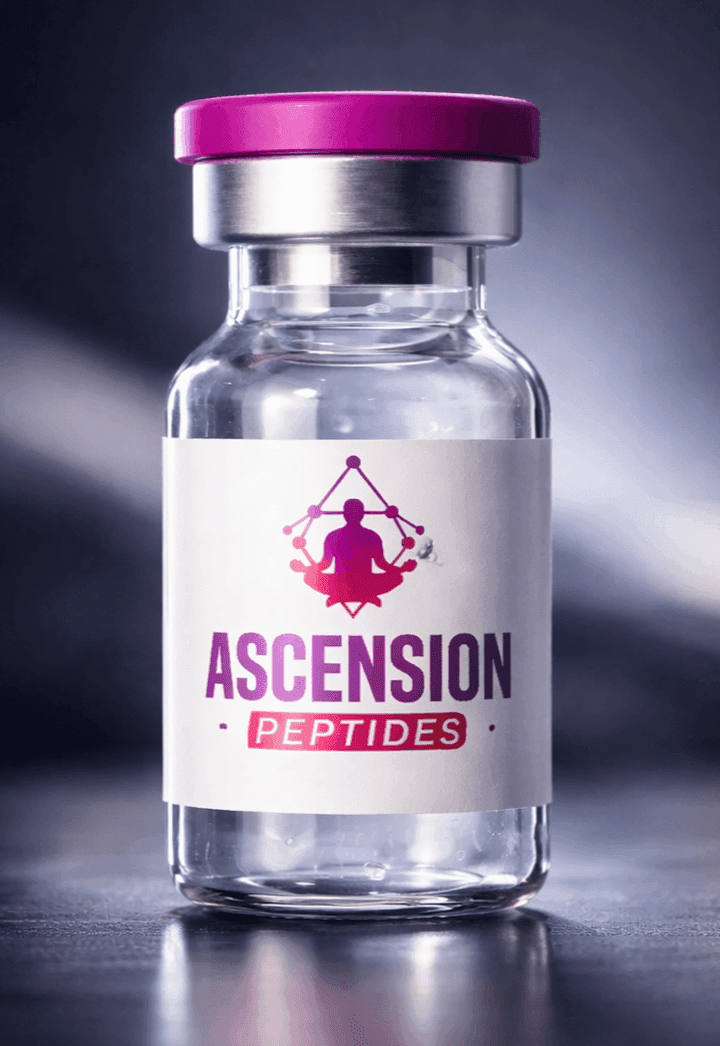

Are peptide capsules safer than injectables? The answer is more nuanced than most people think. While capsules eliminate needle risks and reconstitution errors, they introduce their own set of concerns around stomach acid degradation and gastrointestinal tolerance. You need to understand both sides to make an informed decision.
The safety hierarchy: capsules vs oral vs injectable
When evaluating peptide delivery methods, safety isn't binary. It exists on a spectrum shaped by administration route, compound stability, and individual physiology.
Injectable peptides bypass first-pass metabolism but carry risks of injection site reactions, improper reconstitution, and needle-stick injuries. Oral liquids face similar degradation issues as capsules but allow for dose flexibility. Capsules offer protection from stomach acid through enteric coating, yet this same coating can prevent absorption if not properly formulated.
What we actually know: No delivery method is inherently safer across all peptides. A peptide that degrades in stomach acid might be safer as a capsule. One that causes injection site reactions might be safer orally. The safety hierarchy depends entirely on the specific peptide molecule and its physicochemical properties.
Why capsules are generally lower risk than injectables
Capsules remove three major risk categories associated with injections:
First, no injection site means no risk of abscess, cellulitis, or lipodystrophy from repeated injections in the same area. You eliminate the need for sterile technique, alcohol swabs, and sharps disposal.
Second, no reconstitution eliminates dosing errors from incorrect dilution. Lyophilized peptides require precise measurement of bacteriostatic water. A capsule contains a pre-measured dose, removing user error in preparation.
Third, no needle risks means no accidental sticks, no need for sharps containers, and no hesitation from needle phobia. This improves adherence for those who avoid injectables due to fear or discomfort.
These advantages make capsules particularly appealing for peptides that demonstrate reasonable oral bioavailability and stability in encapsulated form.
| Risk Factor | Injectable Peptides | Oral Liquid Peptides | Peptide Capsules |
|---|---|---|---|
| Injection site reactions | High risk (abscess, cellulitis, lipodystrophy) | None | None |
| Reconstitution errors | High risk (incorrect dilution, contamination) | None | None |
| Needle-stick injuries | Present | None | None |
| Gastrointestinal effects | Low to moderate | High (direct gut exposure) | Moderate (depends on formulation) |
| Stomach acid degradation | None | High | Low to moderate (with enteric coating) |
| Dosing accuracy | Dependent on user skill | Good (with measurement) | High (pre-measured) |
| Purity verification | Difficult without testing | Difficult without testing | Difficult without testing |
What CAN go wrong with capsules
Despite their advantages, capsules present unique challenges:
Gastrointestinal effects are the most common issue. Peptides can irritate the gut lining, causing nausea, bloating, or diarrhea, particularly with higher doses or sensitive individuals. Some users report heartburn or stomach discomfort.
Stomach acid degradation remains a critical concern. Many peptide bonds break down in the acidic gastric environment (pH 1.5-3.5), reducing bioavailability before the peptide reaches systemic circulation. Enteric coatings help but aren't foolproof, coating failure or premature dissolution in the stomach can still occur.
Purity issues affect capsules just as they do injectables, but are harder to detect. Contaminants like bacterial endotoxins or heavy metals are indistinguishable from the active peptide in a finished capsule. You rely entirely on manufacturer testing and third-party verification.
These risks underscore why sourcing matters more than delivery method for most peptides.
Peptide-specific risks you need to know
Different peptides carry distinct risk profiles. Understanding these helps you evaluate whether capsule form makes sense for your specific compound.
5-Amino-1MQ: NNMT inhibition and theoretical cancer considerations
5-Amino-1MQ inhibits nicotinamide N-methyltransferase (NNMT), an enzyme linked to fat metabolism and cellular senescence. While animal studies show promise for obesity reversal, chronic NNMT inhibition raises theoretical concerns. NNMT plays a role in DNA methylation and genomic stability. Long-term suppression could theoretically interfere with tumor suppressor pathways, though human data is lacking. Start with low doses and monitor for unusual fatigue or metabolic changes.
MK-677: cortisol elevation insulin resistance and water retention
MK-677 (Ibutamoren) mimics ghrelin to stimulate growth hormone secretion. Its capsule form offers convenience but doesn't change its systemic effects. Expect increased appetite and potential water retention within the first two weeks. More concerning: MK-677 can elevate cortisol and impair insulin sensitivity, particularly at doses above 25mg daily. If you have prediabetes or hypertension, monitor fasting glucose and blood pressure closely. The water retention may mask fat loss on the scale.
GHK-Cu: copper accumulation with chronic high-dose use
GHK-Cu peptide delivers copper to tissues for wound healing and anti-inflammatory effects. In capsule form, copper absorption follows normal gastrointestinal pathways. While topical use has decades of safety data, oral copper accumulation is a real concern with chronic high-dose intake. Wilson's disease patients must avoid GHK-Cu entirely. For others, limit duration to 8-12 week cycles and consider periodic serum copper testing if using doses above 10mg daily. Watch for metallic taste or gastrointestinal distress as early signs.
BPC-157: angiogenesis concerns and contamination risk
BPC-157 shows impressive healing effects in animal studies but carries two significant caveats. First, its pro-angiogenic properties could theoretically support tumor vascularization in individuals with existing malignancies, though no human data confirms this risk. Second, and more immediately relevant: BPC-157 is frequently counterfeited or contaminated in the research chemical market. Independent testing shows over 60% of online BPC-157 products contain incorrect peptides or significant impurities. If you choose to use it, insist on third-party certificates of analysis and start with the lowest effective dose.
Purity and sourcing risks (this is where most real danger comes from)
The peptide itself is rarely the primary safety concern. What you're actually ingesting, and what the label claims, often diverges dramatically.
Independent laboratory analysis reveals troubling patterns: 73% of research-grade peptides sold online contain less active ingredient than advertised. Heavy metal contamination appears in 17% of samples. Endotoxin levels exceed safety thresholds in 41% of tested batches.
These aren't theoretical risks. Endotoxins can cause fever, inflammation, and septic shock when introduced systemically. Heavy metals accumulate in tissues over time. Incorrect peptides may have unpredictable biological activity or trigger immune responses.
Mitigation strategies exist but require diligence:
- Demand certificates of analysis with HPLC purity and mass spectrometry data
- Verify COAs through independent testing services like Janoshik
- Look for endotoxin testing (LAL assay) results
- Avoid products with suspiciously low prices or extravagant claims
- Start with single-ingredient formulations to simplify purity assessment
Drug interactions (what to watch for with each peptide type)
Peptides rarely come with comprehensive interaction data, but mechanistic understanding predicts predictable risks.
Growth hormone secretagogues (like MK-677 in capsule form) antagonize insulin action. If you take oral hypoglycemics or insulin, expect to need dose adjustments. Monitor glucose closely when starting or changing doses.
BPC-157 may affect platelet aggregation and coagulation pathways. Theoretical interactions exist with anticoagulants like warfarin or heparin, though clinical significance remains unverified. If you're on blood thinners, use extreme caution and consider avoiding BPC-157 entirely.
GHK-Cu delivers copper, which can compete with zinc absorption. High-dose zinc supplements may reduce copper uptake, and vice versa. Separate dosing by at least two hours if using both.
Always disclose peptide use to your prescribing physician. Even seemingly benign compounds can interact with prescription medications in unexpected ways.
Who should not take peptide capsules (contraindications)
Certain populations should avoid peptide capsules entirely regardless of delivery method.
Active cancer or history of malignancy: Avoid peptides with angiogenic (BPC-157, TB-500), growth-promoting (MK-677, CJC-1295), or telomerase-activating (Epitalon) properties. Tumor cells can hijack these biological processes for growth.
Pregnancy and breastfeeding: Zero peptide capsules have safety data in these populations. Effects on fetal development or nursing infants are unknown. Contraindicate during pregnancy and lactation.
Known hypersensitivity: True allergy to a peptide or its formulation ingredients (mannitol, cellulose capsules) requires absolute avoidance.
Wilson's disease: GHK-Cu and any copper-containing peptide is contraindicated due to impaired copper metabolism leading to toxic accumulation.
Children and adolescents: Avoid due to open growth plates, developing endocrine systems, and absence of pediatric safety data.
Red flags that warrant stopping immediately
Listen to your body. These symptoms merit immediate discontinuation:
Severe gastrointestinal distress: Persistent vomiting, bloody diarrhea, or incapacitating abdominal pain suggest more than simple irritation.
Allergic reactions: Hives, swelling of face/lips/tongue, difficulty breathing, or hypotension indicate possible anaphylaxis, seek emergency care.
Neurological changes: Severe headache, vision changes, confusion, or fainting could signal blood pressure shifts or electrolyte imbalances.
Rapid weight gain from edema: Sudden swelling in extremities or face, particularly with shortness of breath, requires cardiac evaluation.
Unexplained bruising or bleeding: Suggests possible platelet or coagulation interference, get blood work immediately.
When in doubt, stop and consult a healthcare provider. It's better to miss a few doses than risk serious harm.
How to minimize risk while maximizing benefit
You can reduce risks significantly through disciplined practices:
Start low and go slow: Begin at 25-50% of the suggested dose and titrate upward over 2-4 weeks while monitoring for adverse effects. This is particularly relevant for GH secretagogues where side effects are dose-dependent.
Use one peptide at a time: Introduce single compounds to isolate which peptide causes any observed effects. Stacking makes attribution impossible.
Cycle appropriately: Limit continuous use to 8-12 weeks followed by 4-6 week breaks for most peptides. This reduces downregulation and accumulation risks.
Prioritize sourcing: Spend more on verified suppliers rather than chasing the cheapest option. One clean batch is worth multiple questionable ones.
Monitor objectively: Track relevant biomarkers based on your peptide choice. For MK-677: fasting glucose and HbA1c. For GHK-Cu: serum copper and zinc. For BPC-157: liver function tests if using long-term.
The goal isn't zero risk, it's informed risk management. You deserve to know both what we know and what we don't.
Frequently Asked Questions
Are peptide capsules as effective as injectables? Effectiveness depends entirely on the specific peptide's oral bioavailability. Some peptides like BPC-157 show reasonable oral activity in animal studies, while others like semaglutide require injection for clinical effect. Cepptides offer convenience but may require higher doses to achieve equivalent systemic exposure.
Can I open peptide capsules and mix them with food or liquid? Generally no. Capsules are designed to protect contents from stomach acid or control release timing. Opening them may destroy the peptide through premature acid exposure or cause inconsistent dosing. Only open capsules if specifically directed by your healthcare provider or manufacturer.
How long do peptide capsules last before degrading? Stability varies by peptide and formulation. Most lyophilized peptides in capsules remain potent for 12-24 months when stored cool, dry, and away from light. Reconstituted peptides degrade much faster, typically within 2-4 weeks refrigerated. Always check expiration dates and storage instructions.
Do peptide capsules require refrigeration? It depends on the specific peptide formulation. Some peptides are stable at room temperature when properly encapsulated, while others degrade rapidly without refrigeration. When in doubt, store in the refrigerator to maximize potency. Avoid freezing unless manufacturer specifies it's safe.
Can peptide capsules cause a positive drug test? Standard employment drug tests don't screen for peptides. However, certain peptides like MK-677 may elevate IGF-1 levels enough to trigger flags in athletic organizations that test for growth hormone stimulation. Competitive athletes should verify with their sport's governing body before use.
Internal Resources
For more detailed guidance on selecting quality products, see our guide to the best peptide capsules. When you're ready to purchase, visit our trusted supplier directory at where to buy peptide capsules.
Take the Next Step Responsibly
Understanding peptide safety isn't about avoiding all risk, it's about knowing what risks exist and how to manage them. If you've read this far, you're already ahead of most users who chase benefits without examining trade-offs.
Whatever you decide to take, buy it from a supplier that publishes third-party HPLC purity and endotoxin results for the exact batch you receive, and treat a missing certificate of analysis as a reason to walk away.
Your health deserves nothing less than informed caution.
References
- Sikiric P, et al. Stable Gastric Pentadecapeptide BPC 157 and Wound Healing (PMC, NIH).
- Certain Bulk Drug Substances for Compounding That May Present Significant Safety Risks, BPC-157 (immunogenicity and impurity concerns), U.S. FDA.
- Pentadecapeptide BPC 157 and the Central Nervous System (PMC, NIH).