Healing peptides are everywhere now. BPC-157 and TB-500 dominate recovery forums, athlete recovery protocols, and anti-aging circles alike. Combine them and you get what the community calls the Wolverine Stack. But what is it actually, how does it work, and is it worth your time?
Peptide recovery stacks have gone from obscure research lab curiosity to mainstream recovery protocol in under five years. The Wolverine Stack sits at the center of that conversation. It pairs two of the most researched healing peptides in a protocol designed to accelerate tissue repair through complementary mechanisms. This article breaks down what the stack actually is, how each peptide works, what the research says, and where the hype meets reality.
Key Takeaways
- The Wolverine Stack combines BPC-157 and TB-500, two peptides studied extensively in animal models for tissue repair and healing acceleration
- BPC-157 works primarily at the local injury site through nitric oxide modulation, growth factor upregulation, and new blood vessel formation
- TB-500 works systemically through actin regulation, anti-inflammatory pathways, and cell migration to bring repair cells to damaged tissue
- Together they address healing from two distinct angles at the same time
- The stack is commonly used for tendon injuries, joint damage, post-surgical recovery, and muscle repair
- Both peptides remain investigational and are not FDA-approved for any medical condition
Most people researching this stack have seen the bold claims online. Faster healing. Near-magical recovery. Superhero biology. Some of that is real science buried under layers of community hype. Some of it is pure fantasy. This article cuts through both.
What Is the Wolverine Stack?
The Wolverine Stack is a peptide combination of BPC-157 (Body Protection Compound-157) and TB-500 (a synthetic fragment of Thymosin Beta-4). The nickname comes from the X-Men character known for rapid, dramatic healing. The idea is simple: pair two peptides with different but complementary healing mechanisms to cover more ground than either could alone.
BPC-157 acts locally at the injury site. It builds the repair environment through new blood vessel formation, growth factor signaling, and nitric oxide modulation. TB-500 takes a broader approach. It reduces systemic inflammation and helps repair cells migrate more efficiently to wherever they are needed.
A typical Wolverine Stack contains 10mg of each peptide. That is the starting point most sources use, though actual dosing protocols vary based on injury severity, user experience, and individual response. Both peptides are typically administered by subcutaneous injection. BPC-157 can also be taken orally for gut-related applications since it is relatively stable in stomach acid.
This is not a new concept in sports medicine or regenerative research. The combination has been discussed in peptide research communities for years, with Ben Greenfield popularizing it early on and orthopaedic surgeons referencing it in clinical education settings. The peer-reviewed animal data on both individual peptides is extensive. Human data remains limited, which is a distinction worth understanding before you go any further.
BPC-157: The Local Repair Agent
BPC-157 stands for Body Protection Compound-157. It is a synthetic pentadecapeptide, meaning it is made up of 15 amino acids chained together. It was originally isolated from human gastric juice, which is why the name includes "157" — it is the 157th fraction identified in that sequence.
Despite originating in the gut, BPC-157 affects tissues far beyond the digestive system. Animal studies point to healing activity in tendons, ligaments, muscles, nerves, bone, and blood vessel linings.
Here is what the research in animal models suggests BPC-157 does:
Angiogenesis and blood flow. BPC-157 upregulates VEGF (vascular endothelial growth factor) and works through the Src-Caveolin-1-eNOS pathway to promote new blood vessel formation at injury sites. More blood vessels mean better nutrient delivery and faster tissue repair. A study in the Journal of Applied Physiology found that BPC-157 significantly accelerated tendon fibroblast outgrowth in a dose-dependent manner, with increased cell survival under oxidative stress.
Growth factor signaling. BPC-157 increases expression of growth factors including EGF (epidermal growth factor) and FGF (fibroblast growth factor). These signaling molecules tell cells to multiply and repair damaged tissue. Research published in the Journal of Orthopaedic Research showed that BPC-157 fully improved Achilles tendon recovery in rats, with increased load to failure, better functional scores, superior fibroblast formation, and faster collagen development compared to controls.
Nitric oxide modulation. BPC-157 interacts with the nitric oxide system to regulate blood flow, inflammation, and repair signaling. It helps counteract injury-related disruptions to the NO pathway, which can improve circulation to damaged tissue.
Tissue protection. BPC-157 has shown protective effects against oxidative stress and toxin-induced damage in laboratory settings. It helps cells survive under conditions of low oxygen and metabolic stress.
Gut healing. BPC-157 heals ulcers, colitis, and inflammatory bowel conditions in rodent models. It is one of the few peptides stable enough to work when taken orally, which is why some people use it for gastrointestinal issues in addition to musculoskeletal ones.
BPC-157 is typically dosed at 250 micrograms once or twice daily via subcutaneous injection near the injury site. For gut-related applications, oral administration is common.
TB-500: The Systemic Healer
TB-500 is a synthetic peptide consisting of 17 amino acids. It represents the active fragment of Thymosin Beta-4, a naturally occurring peptide found throughout the human body with the highest concentrations in platelets and immune cells.
Where BPC-157 focuses on the local environment, TB-500 works systemically. It reorganizes the cellular cytoskeleton to help cells move faster and promotes new blood vessel formation throughout the body.
Actin regulation. TB-500 binds to G-actin and sequesters it, which promotes cell migration. When cells need to move to a wound site to repair damage, TB-500 helps them get there faster. This is one of its most distinct mechanisms and sets it apart from nearly every other peptide in the recovery space.
Anti-inflammatory activity. TB-500 reduces systemic inflammation, creating a more favorable environment for healing throughout the body rather than at one specific location.
Blood cell formation. TB-500 stimulates new blood cell production and improves endothelial cell function. This supports the vascular component of tissue repair.
Scar tissue reduction. Animal research points to TB-500 promoting tissue remodeling and reducing scar tissue formation, which can improve functional recovery after injury.
New blood vessel growth. Like BPC-157, TB-500 promotes angiogenesis, but through somewhat different pathways. This overlap is part of what makes the combination powerful.
TB-500 is typically dosed at 2 to 2.5 milligrams twice weekly during a loading phase (weeks one through four), then once weekly for maintenance through weeks five to eight. The loading phase builds systemic levels quickly. After that, a lower maintenance dose sustains those levels.
How They Work Together
The real value of the Wolverine Stack is synergy. BPC-157 and TB-500 operate through fundamentally different mechanisms, which means they do not just add to each other, they multiply.
Think of it this way. BPC-157 renovates the apartment. It brings in new furniture (growth factors), fixes the plumbing (blood vessels), and paints the walls (collagen organization). TB-500 hires the moving crew. It gets the repair workers to the site faster, clears out the junk (inflammation), and keeps the whole system running smoothly while work is underway.
In a gastrocnemius crush injury model, combined administration of both peptides resulted in earlier restoration of contractile function compared to either peptide alone. That combination data is not theoretical. It is one of the few animal studies that actually tested the stack as a combination rather than each peptide in isolation.
BPC-157 creates a favorable local healing environment at the injury site. New blood vessels form. Growth factors increase. Nitric oxide signaling improves. TB-500 complements this by quieting systemic inflammation and promoting the migration of repair cells toward that enriched environment.
The practical result is that you get healing from multiple angles simultaneously. Local repair where you need it most, plus systemic support that keeps the rest of your body in a recovery-friendly state.
What the Wolverine Stack Was Designed For
The stack was designed for one overarching purpose: accelerated tissue repair. Specifically, it was built for situations where healing speed matters and tissue damage is the primary problem.
The target use cases broadly fall into three categories:
Acute injury recovery. When you have a recent muscle tear, ligament sprain, or tendon damage, the stack is designed to push the repair timeline forward. Community protocols and some early animal research suggest BPC-157 is particularly active in this space for tendon and ligament healing.
Chronic injury management. For people dealing with long-term joint pain, tendinopathy, or repetitive stress injuries, the stack aims to support tissue remodeling and reduce ongoing inflammation that impairs natural healing.
Post-surgical recovery. The stack is used by some people after surgical procedures to support faster tissue repair and reduce downtime. This is a common application in sports medicine and orthopaedic settings where recovery time directly impacts outcomes and career timelines.
The origin of the Wolverine Stack name traces back to the Marvel character. The connection is not scientific, it is aspirational. Wolverine in the comics heals from catastrophic injuries in hours. That is not realistic. But the name captures what users want from the stack, which is meaningful acceleration of the body's own repair processes.
Typical Use Cases
Based on community protocols and the animal research available, the most common reasons people run the Wolverine Stack include:
Tendon injuries. Achilles tendinopathy, rotator cuff issues, tennis elbow, and patellar tendon pain are among the most frequently cited use cases. Both peptides have shown tendon-healing activity in animal studies, and the combination addresses both the structural repair and the inflammatory component.
Joint damage. ligament injuries, meniscus issues, and general joint degeneration fall here. BPC-157 in particular has been studied for its effects on ligament-to-bone healing, which is directly relevant to joint stability.
Muscle tears and strains. Hamstring pulls, calf strains, and general muscle fiber damage respond to the stack's focus on cell migration and new blood vessel formation. TB-500's ability to mobilize repair cells is particularly relevant here.
Post-surgical recovery. After procedures like rotator cuff repair, ACL reconstruction, or fracture fixation, the stack is used to support healing at the surgical site. Athletes and active individuals drive much of this use case.
General anti-aging and resilience. Some users run the stack periodically as a proactive measure to maintain tissue quality and recovery capacity. This is less studied and more controversial, but it reflects a broader interest in peptides for longevity applications. For a sober look at how thin the human evidence can get, see our breakdown of where the recovery-peptide evidence gets thin.
What's in It: Ingredient Breakdown
The Wolverine Stack consists of two peptides. Here is the breakdown:
| Component | Full Name | Structure | Primary Role | Common Dose |
|---|---|---|---|---|
| BPC-157 | Body Protection Compound-157 | 15 amino acid pentadecapeptide | Local tissue repair, angiogenesis, growth factor upregulation | 250 mcg twice daily |
| TB-500 | Thymosin Beta-4 Fragment | 17 amino acid synthetic fragment | Systemic anti-inflammation, cell migration, tissue remodeling | 2-2.5 mg twice weekly (loading) |
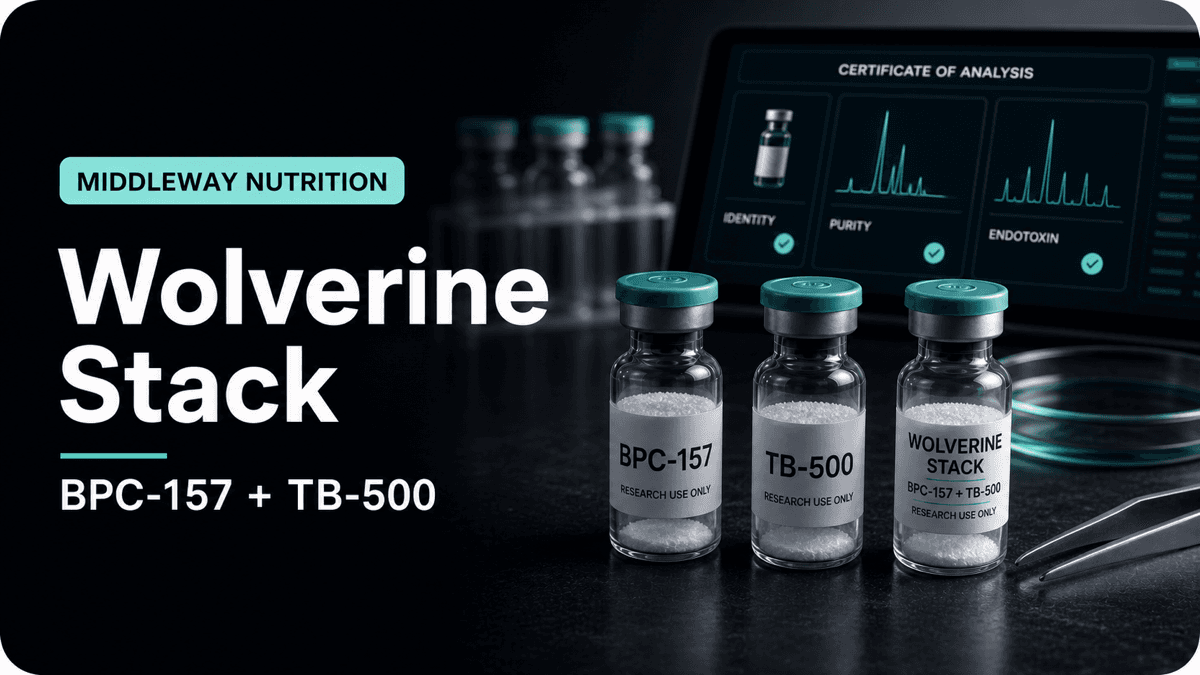
That is the complete ingredient list. There are no fillers, no proprietary blends, no hidden additives. Both peptides come as lyophilized (freeze-dried) powder in individual vials. They are reconstituted with bacteriostatic water before injection.
Purity matters enormously here. Both peptides should be sourced from suppliers who provide third-party certificate of analysis (COA) documentation. Impurities or incorrect dosing in reconstituted peptides can produce unpredictable results. Always verify the COA before purchasing from any source.
What the Wolverine Stack Does NOT Do
Honesty matters here. The peptide space is full of overblown claims, and the Wolverine Stack has more than its share.
It is not approved to treat or cure any medical condition. Both BPC-157 and TB-500 are investigational peptides. They have not been through FDA review for safety or efficacy in humans. No clinical trials have established them as treatments for any disease or injury.
It does not replace surgery when surgery is needed. If you have a complete tendon rupture or a fracture that requires surgical fixation, the Wolverine Stack is not an alternative. It may support post-surgical healing, but it will not fix structural damage that requires mechanical repair.
It does not produce instant results. Tissue repair takes time. The body heals at its own pace. Peptides accelerate underlying biological processes, but you are not going to wake up healed after a week. Typical cycles run six to eight weeks, and some users require multiple cycles for meaningful results.
It is not a performance enhancer in the traditional sense. You will not get bigger or stronger from the Wolverine Stack directly. Any performance benefits come indirectly from faster recovery, which lets you train more consistently over time.
It does not eliminate risk. Both peptides are under-researched in human applications. Long-term effects are unknown. Anyone considering this stack should understand that they are operating in a research context, not a medical treatment context.
It is not a substitute for proper diagnosis. If you have a significant injury, get it properly diagnosed first. Peptides cannot fix what you do not understand. Running the Wolverine Stack for months when you need an MRI and physical therapy is a waste of time and money.
The people who get the most out of this stack are those who have realistic expectations and use it as part of a broader recovery protocol that includes proper loading, physical therapy, sleep, nutrition, and load management.
Wolverine Stack vs. Using Either Peptide Alone
This is the most common question after "does it work?" The answer is in the mechanism.
BPC-157 alone gives you excellent local repair. New blood vessels, growth factors, and collagen support at the injury site. It is particularly strong for tendon and ligament healing.
TB-500 alone gives you systemic anti-inflammatory coverage and improved cell migration. It helps repair cells reach damaged tissue faster throughout the body.
Together, you get local repair plus systemic support simultaneously. The combination addresses healing from two angles that neither peptide covers as effectively alone.
In the gastrocnemius crush injury model referenced earlier, the combination produced faster restoration of contractile function than either peptide alone. That supports the synergistic argument at least in animal models.
For minor injuries or general wellness use, a single peptide might be sufficient. For meaningful tissue damage like a tendon tear, joint damage, or post-surgical recovery, the combination is more commonly preferred in the research community.
If you are only dealing with gut inflammation or a mild strain, BPC-157 alone might be the better starting point. If you want broad systemic recovery support with less focus on a specific injury site, TB-500 alone is a reasonable option.
The Wolverine Stack sits at the top of that hierarchy for a reason. When the injury is real and the stakes are high, covering both pathways is the logical approach.
The Ascension Peptides Note
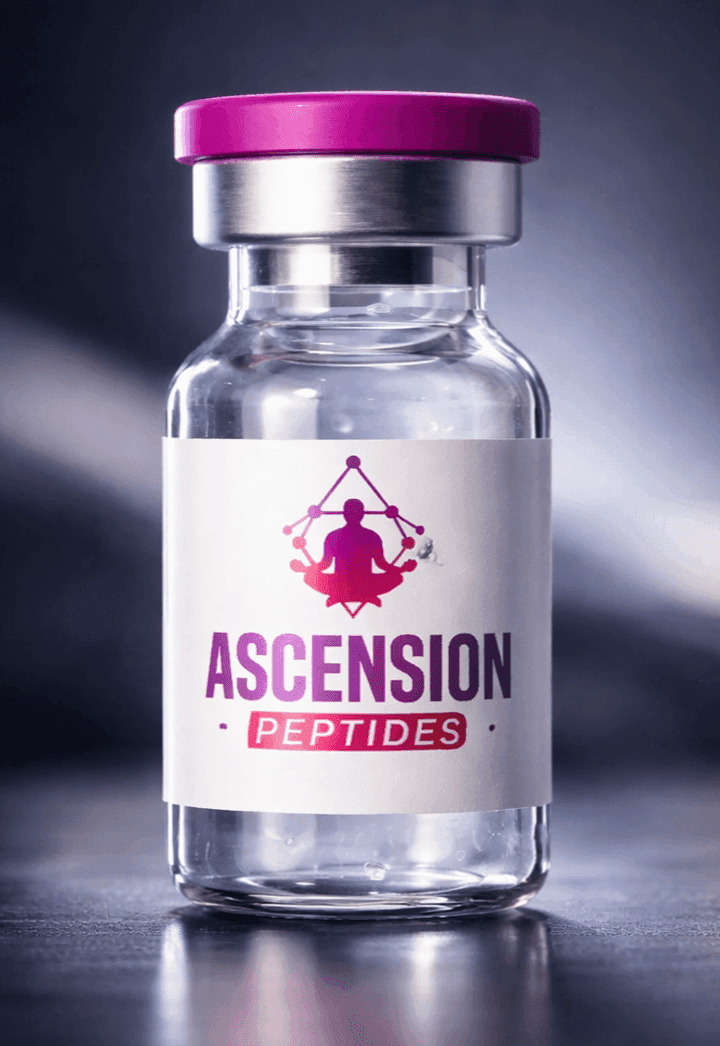
Ascension Peptides is a research-peptide supplier that publishes batch-specific certificate of analysis documentation. If you are researching this stack, sourcing quality matters enormously. Impure or mislabeled peptides are a real problem in this space, and the risk is entirely yours if you go with unverified sources.
Ascension sells BPC-157, TB-500, and a combined Wolverine Stack vial (BPC-157 10mg + TB-500 10mg), with every batch tested by an independent lab and certificates showing >98% purity in its public COA library. That COA documentation is the minimum standard you should accept from any supplier.
Explore Ascension Peptides and the Wolverine Stack
If you are serious about running this protocol, do your own due diligence on sourcing, understand the legal status in your jurisdiction, and consider working with a healthcare provider familiar with peptide therapy.
Frequently Asked Questions
Is the Wolverine Stack legal?
BPC-157 and TB-500 are not FDA-approved drugs. They are sold as research chemicals for in vitro use. Their legal status varies by jurisdiction and continues to evolve as regulatory agencies including the FDA take a closer look at the peptide market. Check the current status in your area before purchasing.
How long does it take to see results?
Most users in the peptide community report noticeable changes within two to four weeks. Full benefits typically emerge around the six to eight week mark at the end of a standard cycle. Acute injuries tend to respond faster than chronic issues.
Can women use the Wolverine Stack?
Yes. The mechanisms are not sex-specific. Women use both peptides for the same applications. Dosing does not typically need adjustment based on sex, though individual response varies.
What about side effects?
The animal research on both peptides is relatively favorable in terms of toxicity profiles, but human data is limited. Some users report injection site irritation, mild headaches, or increased fatigue. If you experience anything significant, discontinue use and consult a healthcare provider.
Do I need a prescription?
No prescription is available for these peptides in the United States. They are not approved pharmaceuticals. You are purchasing them as research chemicals, which means you assume full responsibility for their use.
Related Articles
If you found this useful, you might also want to check out our tirzepatide dosage guide or learn more about tirzepatide side effects before exploring other peptide protocols.
References
- Chang et al., Journal of Applied Physiology (2011) — BPC 157 promotes tendon healing via outgrowth, cell survival, and migration — confirms BPC-157 is a 15-amino-acid pentadecapeptide isolated from gastric juice that dose-dependently accelerated tendon fibroblast outgrowth and survival.
- Krivic et al., Journal of Orthopaedic Research (2006) — Achilles tendon-to-bone healing in rats with BPC 157 — BPC-157 improved tendon recovery with increased load to failure and opposed corticosteroid-impaired healing.