Tesamorelin for sale currently runs about $50 for a 5mg vial, or $10.00 per milligram. Below is the live pricing, the batch COAs behind it, and how to confirm the vial you receive is genuine.
Key Takeaways
- A 5mg vial is the standard research size, running roughly $38 to $50 in 2026, or $6.50 to $10 per milligram
- A purity number printed on a product page is marketing. A batch COA from an independent lab, with a lot number matching your vial, is evidence
- Tesamorelin exists as an approved prescription drug (Egrifta), but research vials sold online are not that product and are not approved for human use
- It arrives as a white lyophilized powder under vacuum. A pre-filled liquid vial is a red flag on its own
- If a seller cannot produce a lot-matched COA on request, that is a complete answer. Walk away
Tesamorelin Price and Specs
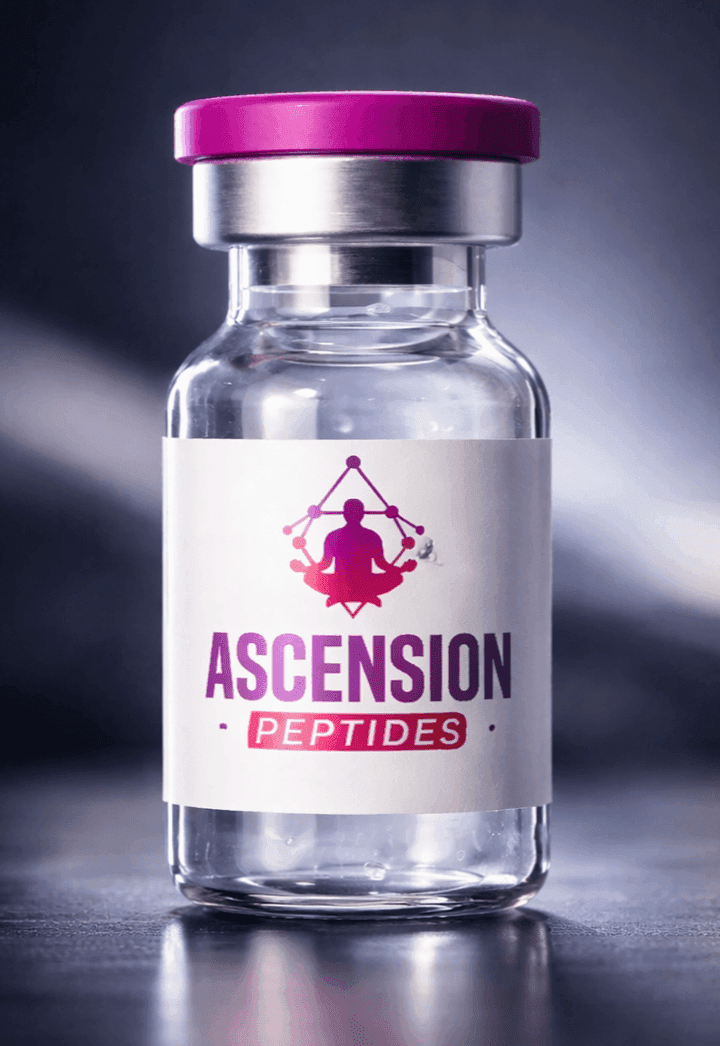
Ascension Peptides pricing, verified September 2026. Prices move.
| Spec | Detail |
|---|---|
| Size | 5mg vial |
| Price | $50.00 USD |
| Purity | Certificate pass mark >98% by HPLC; every batch tested by an independent third-party lab |
| Batch COAs | 85 batch-specific certificates in a public library |
| Testing published | HPLC purity, LC-MS identity, net content, endotoxin, rapid sterility screen, heavy metals |
| Form | Lyophilized powder, sealed vial, research use only |
The COA row matters most: the certificates are batch-specific reports from an independent lab (currently Kovera Labs) rather than a house PDF, so the lot is checkable against the vial in your hand. Current listing: Ascension Peptides. Certificates: Ascension COA library. New customers get 50% off with code PEPTIDEDECK.
For a supplier-by-supplier price comparison, see where to buy Tesamorelin.
What Fair Pricing Looks Like
Research-market pricing clusters tightly, which makes outliers easy to spot. In 2026, established suppliers list roughly $38 to $50 for a 5mg vial and $65 to $80 for 10mg, with 10% to 20% off at five or ten units. On a per-milligram basis that is broadly $6.50 to $10.
Now the part most buying guides avoid saying plainly: unusually cheap tesamorelin is a signal, not a bargain. Synthesizing a 44-residue peptide to high purity is expensive, and third-party analytics add real cost per batch. A seller offering 10mg for $25 has removed cost from somewhere, usually underfilled vials, purity in the 80s, or substitution with a cheaper analog.
The mirror-image error is assuming expensive means clean. Premium pricing with no lot-matched COA buys nothing but a nicer box. A vial can be 99% pure by HPLC and still be underfilled, which is why the certificate and the label have to be read together. If you want a wider vendor spread than the one above, a broader where to buy tesamorelin comparison is the fastest way to sanity-check what you are being quoted.
What You Are Actually Buying
Tesamorelin is a synthetic analog of growth hormone-releasing hormone (GHRH): a 44-amino-acid peptide with a fatty acid group attached that slows enzymatic breakdown. It acts on pituitary GHRH receptors, prompting growth hormone release in the body's own pulsatile pattern.
It occupies an unusual position. Most research peptides have never been approved by any regulator. Tesamorelin has: the FDA approved it in 2010 as Egrifta, for excess visceral abdominal fat in HIV-associated lipodystrophy. That approval is narrow and prescription-gated.
The vials on research-peptide websites are a different supply chain entirely. Same molecule on paper, no regulator checking what is inside. In the US that material is not an FDA-approved drug, not a supplement, and not sold for human consumption. That framing defines the quality landscape:
- No pharmacopoeial standard for identity, purity, endotoxin, or residual solvents.
- No sterility requirement. Research powder is not made as an injectable product.
- No batch traceability by law. It exists only because the vendor chose to provide it.
- No recall mechanism. If a batch is wrong, nothing forces anyone to tell you.
Reputable vendors fill those gaps voluntarily with third-party analytics. The rest rely on you not asking. Your entire quality assurance process is one question: can this seller prove what is in this specific vial?
How to Read a Tesamorelin COA
A certificate of analysis is the one document worth arguing about. Most buyers glance at the purity figure and stop. Here is what needs to line up.
The lot number must match your vial. This eliminates most sellers on its own. One certificate reused across every order describes a batch that may have been made long before yours.
The testing lab must be named, and must not be the vendor. Look for a real lab name, address, and report number. "Tested in-house" is not third-party testing, and neither is an unbranded PDF with no lab identity on it.
HPLC purity should read 98% or higher. Chromatography separates the target peptide from truncated sequences and process residue. Long peptides accumulate more failure sequences than short ones, so for a 44-residue chain like tesamorelin, anything in the low 90s means a meaningful fraction of that powder is not tesamorelin.
Mass spectrometry must confirm identity, not just purity. HPLC tells you how uniform the material is; MS tells you whether the main peak is the right molecule. Tesamorelin's molecular weight is approximately 5,136 g/mol, and the report should land close to that. A high-purity certificate for the wrong peptide is a clean way to be defrauded, usually via substitution with a cheaper GHRH analog like sermorelin.
The chromatogram should be present and legible, with retention time and peak areas. A number typed into a template with no trace behind it is a claim, not data.
"Third-party tested" has been diluted into meaninglessness, so be precise. Independent testing means a lab with no ownership relationship to the seller ran the analysis and issued a report under its own name. What does not qualify: an internal QC sheet, a certificate from the overseas manufacturer that made the raw powder, a testing badge with no document behind it, or a COA with the lab name cropped out.
One habit worth building: reverse image search the COA. It regularly shows four "competing" stores displaying the identical certificate, meaning they all resell from one source and none of them tested anything.
What Physically Arrives
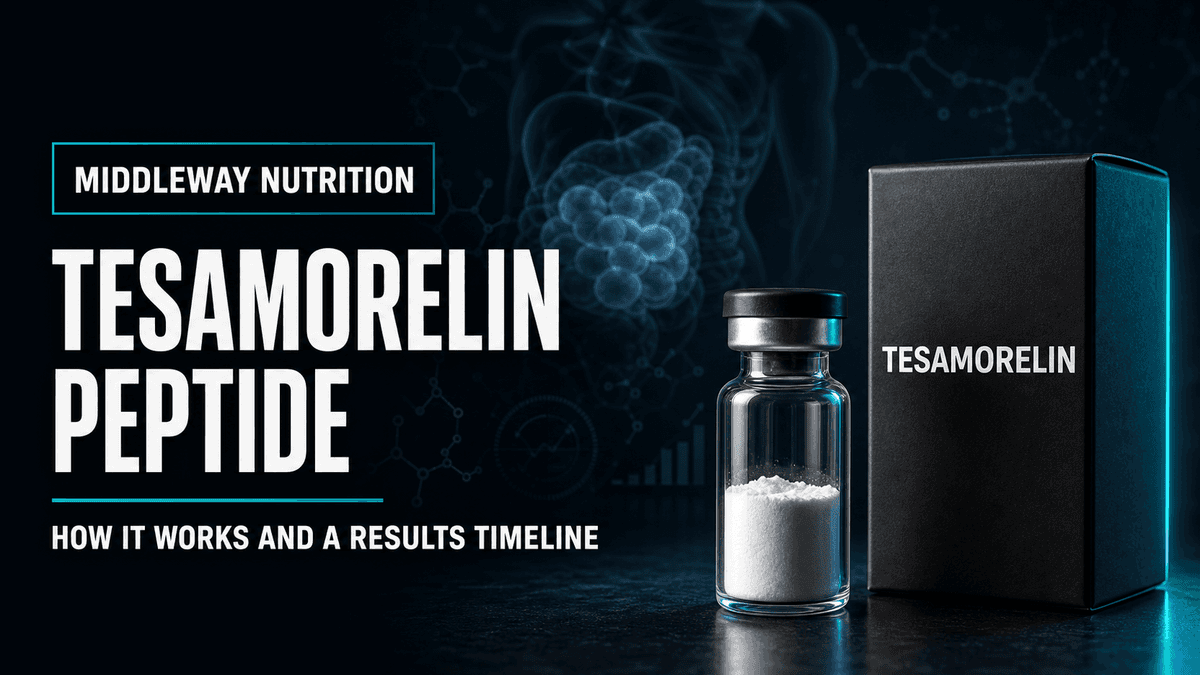
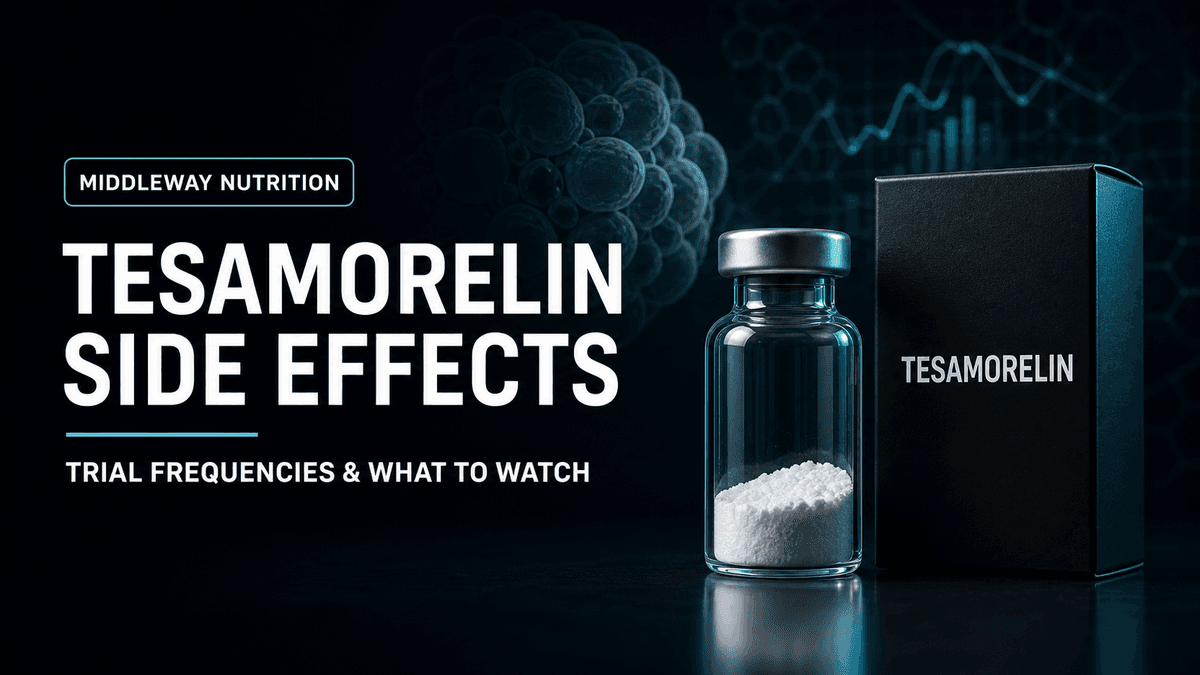
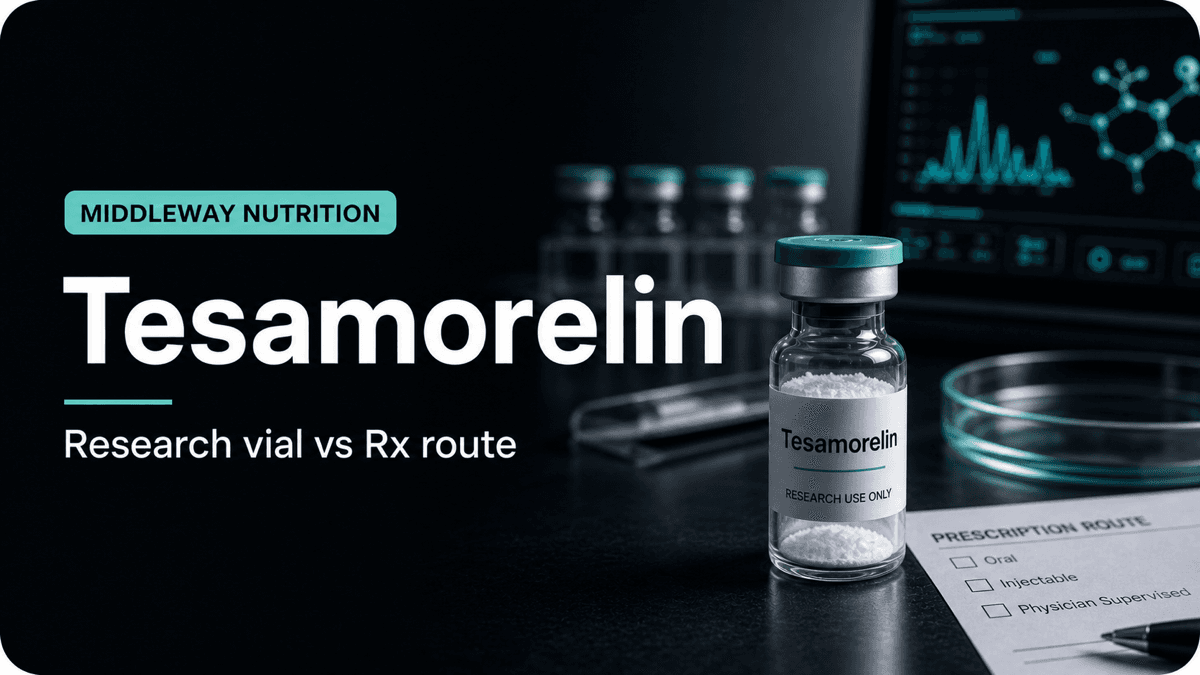
Tesamorelin ships as a lyophilized powder: a small white to off-white cake or flaky residue at the bottom of a sealed glass vial with a rubber stopper and crimped seal. A 5mg vial looks close to empty, and buyers regularly assume they were shorted when they were not; weight is not something you can eyeball at that scale.
The vial should be under vacuum, so air draws inward when first pierced. The label should carry the compound name, the milligram amount, and the lot number you match against the COA. Bacteriostatic water is almost never included. Anything arriving pre-dissolved, discolored, cloudy, sticky, or with no lot number is wrong, as is a label that does not match what you ordered.
Red Flags That Mean Walk Away
- No batch-specific COA, or a refusal to provide one on request. The most reliable disqualifier there is.
- A COA with no lab name, no chromatogram, or no lot number.
- "99%+" purity claimed on the page with nothing behind it. Anyone can type a number.
- Dosing guidance or medical claims: fat-loss promises, before-and-after imagery, or "same as Egrifta" language.
- Crypto-only or bank-transfer-only payment. Removes every avenue of recourse.
- No physical address, company registration, or working support contact.
- Prices far below the $6.50 to $10 per mg band, or permanent countdown timers.
- Reviews only on the vendor's own site.
Legal and Safety Reality
In the US, buying research peptides for laboratory use is not itself illegal, but selling them for human consumption is. That is why the disclaimers exist and why no seller can lawfully advise you on personal use. Tesamorelin is also on the World Anti-Doping Agency prohibited list as a growth hormone secretagogue. Import rules vary by country, and customs seizure is routine on international orders. Research-grade material is also not made to injectable pharmaceutical standards: sterility, endotoxin content, and residual solvents go untested unless a COA reports them.
Pre-Purchase Checklist
- Batch-specific COA available before you pay, not after
- Lot number on the certificate matches the vial label
- Independent lab named, with a report number and a recent date
- HPLC purity of 98% or higher, chromatogram included
- Mass spec confirms identity near 5,136 g/mol
- Price inside the $6.50 to $10 per mg band
- Research-use-only labeling, card payment, real business details, tracked shipping
Frequently Asked Questions
How much does Tesamorelin cost?
Roughly $38 to $50 for a 5mg vial and $65 to $80 for 10mg in 2026, about $6.50 to $10 per milligram. Vials backed by per-batch certificates sit at the top of that spread, and Ascension Peptides lists 5mg tesamorelin at $50.00. Substantially cheaper listings usually reflect skipped testing or underfilled vials.
Is Tesamorelin legal to buy?
In the US, tesamorelin can be legally sold and bought as a research chemical for laboratory use. It cannot legally be sold for human consumption, and the approved prescription form (Egrifta) requires a doctor. Rules differ elsewhere, and some countries restrict import entirely.
How do I know Tesamorelin is real?
You verify it with paperwork, not appearance. The powder looks identical either way. Match the vial's lot number to a batch COA from a named independent lab, confirm HPLC purity of 98% or higher with a visible chromatogram, and check that mass spectrometry places the molecular weight near 5,136 g/mol.
Do I need a prescription for Tesamorelin?
For research-grade vials, no. They are sold for laboratory use, not human use, so no prescription applies. For the approved drug Egrifta, yes: it is prescription-only and dispensed through a pharmacy.
What purity should Tesamorelin be?
Look for 98% or higher by HPLC on a lot-matched certificate. Because tesamorelin is a long 44-amino-acid chain, synthesis by-products accumulate more readily than with short peptides, so purity in the low 90s indicates a meaningful fraction of non-target material.
Buying With Documentation Instead of Hope
All of this collapses into one habit: refuse to buy without a lot-matched certificate you can actually read.
If you want a supplier that already publishes that paperwork, Ascension Peptides has every batch tested by an independent third-party lab and publishes 85 batch-specific certificates in a public library, rather than one recycled document. The certificates cover HPLC purity (pass mark >98%), LC-MS identity, net content, endotoxin, a rapid sterility screen and heavy metals. It ships within the United States only, free over $250, and all sales are final, though damaged or incorrect items are replaced if reported quickly. New customers get 50% off with code PEPTIDEDECK. Check the certificate against the vial you receive, exactly as you would with anyone else.
Medical disclaimer: Tesamorelin sold by research suppliers is intended for laboratory research use only and is not approved for human consumption. This article is educational and is not medical advice, a dosing protocol, or a recommendation to use any compound. The approved prescription form of tesamorelin is available only through a licensed clinician. Consult a qualified healthcare professional before making any health decision.