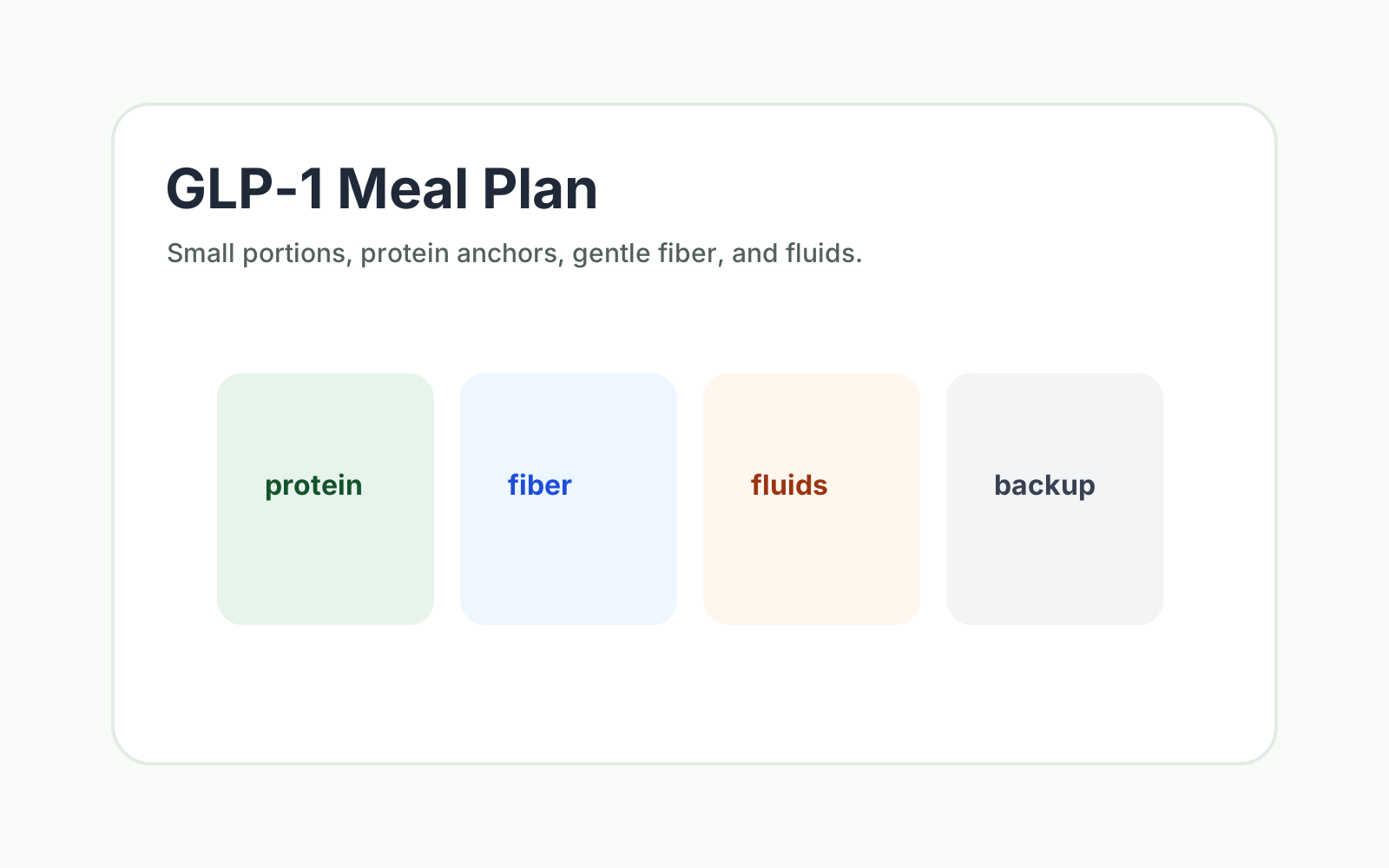
A good Ozempic meal plan is not a diet. It is a way of fitting enough protein, fibre and micronutrients into a stomach that now holds roughly half of what it used to. The single decision that matters most in any Ozempic meal plan is protein first, because semaglutide reduces how much you eat without deciding for you what gets cut, and protein is usually the first thing to go.
Semaglutide slows gastric emptying and dampens appetite signalling in the hypothalamus and brainstem. The practical consequence is that portion size, food order and fat content start to matter far more than calorie counting does. Most people who struggle on Ozempic are not eating too much. They are eating too little of the right things, and eating the wrong things at the wrong stage of titration.
What an Ozempic Meal Plan Needs to Cover
These are working targets, not prescriptions. Anyone with kidney disease, diabetes on insulin, or a history of eating disorders should set these with a clinician rather than from an article.
| Nutrient | Working target | Why it matters on semaglutide |
|---|---|---|
| Protein | 1.2 to 1.6 g per kg of goal body weight | Lean mass makes up a meaningful share of weight lost on GLP-1 drugs; protein plus resistance training limits it |
| Fibre | 25 to 30 g daily | Slowed transit plus low food volume is the standard recipe for constipation |
| Fluid | Roughly 2 to 3 litres daily | Reduced thirst cues are common, and dehydration worsens both constipation and headaches |
| Fat | Moderate, spread across meals | Fat delays gastric emptying further, so large fatty meals are the most reliable nausea trigger |
| Calories | Whatever appetite lands on, with a floor | Very low intake for months drives muscle loss, hair shedding and fatigue |
The calorie row is the one most plans get wrong. Ozempic creates the deficit on its own. Adding an aggressive calorie target on top is how people end up under 900 kcal a day without noticing, and that is where the avoidable side effects cluster.

How to Build a Plate That Actually Gets Eaten
Sequence matters more than composition when capacity is limited. Eat the protein portion first, vegetables second, starch and fats last. By the time you reach the third component you may be full, and the thing you skipped will be the least important one.
A workable plate looks like this:
- A palm of protein: fish, poultry, eggs, dairy, tofu, tempeh or pulses
- Two handfuls of vegetables, cooked rather than raw in the early weeks
- A small fist of starch: oats, potato, rice, quinoa or bread
- A thumb of fat: olive oil, nuts, seeds or avocado
Four to five small eating occasions usually work better than three normal ones. If a meal ends in reflux or nausea, the portion was too big or too fatty, not the wrong food.
A Seven Day Rotation
This rotation is deliberately repetitive. Cooking fatigue is real when nothing sounds appetising, and a short rotation with planned leftovers is far more likely to survive a real week than a menu with twenty one distinct recipes.
| Day | Morning | Midday | Evening | Extra |
|---|---|---|---|---|
| Mon | Skyr with berries and ground flax | Chicken and white bean soup | Baked cod, mashed sweet potato, green beans | Boiled egg |
| Tue | Two eggs, wholegrain toast | Leftover cod flaked into a salad | Turkey mince chilli with kidney beans | Kefir |
| Wed | Overnight oats with milk and chia | Chilli reheated with rice | Grilled chicken thighs, roasted courgette | Handful of walnuts |
| Thu | Cottage cheese, peach, cinnamon | Tuna and butter bean salad | Salmon traybake with peppers | Miso broth |
| Fri | Protein smoothie with banana | Lentil and vegetable soup | Prawn and vegetable stir fry with noodles | Greek yoghurt |
| Sat | Scrambled eggs with spinach | Leftover stir fry | Slow cooked beef with carrots and barley | Apple with peanut butter |
| Sun | Porridge with milk and seeds | Beef reheated over couscous | Roast chicken, potatoes, broccoli | Cheese and oatcakes |
Portions are whatever you can finish comfortably. On low appetite days, a fortified smoothie or a bowl of soup with added lentils will deliver more protein than a plate you leave half eaten.
Foods That Cause the Most Trouble
None of these are forbidden. They are simply the ones that come up again and again when people describe a bad evening after a meal.
- Deep fried food, which combines high fat with slow emptying
- Cream heavy sauces, and pizza in particular
- Very large portions of anything, including foods that are otherwise ideal
- Fizzy drinks, which add gas to a stomach that is already emptying slowly
- Alcohol, which raises nausea risk and, on a near empty stomach, hits harder than expected
- Fatty cuts of red meat, which many people tolerate poorly even when lean beef is fine
- Ultra processed snack foods, which take up scarce capacity without contributing protein or fibre
Sugary drinks deserve a separate mention. They pass through quickly, do nothing for satiety, and displace fluid that would otherwise help with constipation.
Adjusting the Plan Through Titration
The week after a dose increase is the hardest one, and the plan should shrink rather than the person forcing it.
| Stage | What to change |
|---|---|
| First week on 0.25 mg | Smaller portions, low fat, cooked vegetables rather than large salads |
| Each dose step up | Return to bland and low fat for five to seven days, then rebuild |
| Stable dose | Reintroduce fibre gradually, add back spices and raw vegetables |
| Persistent nausea | Cold foods, smaller and more frequent meals, protein from liquids |
| Constipation | More fluid first, then soluble fibre, then discuss magnesium with a pharmacist |
If nausea or vomiting is severe rather than annoying, that is a conversation with the prescriber about slowing titration, not a food problem.
What a Meal Plan Cannot Fix
Eating well will not prevent all weight regain after stopping, and it will not eliminate gastrointestinal side effects. What it reliably does is reduce muscle loss, keep energy steadier, and make the side effects that do occur less severe. Those are worth having, but they are a narrower promise than most meal plans make.
Two habits do more than the menu itself: resistance training two or three times a week, and getting protein at every eating occasion rather than loading it all into dinner. If you want more detail on either, see our guides on protein intake on GLP-1 drugs and foods to avoid on GLP-1. For fibre choices specifically, the fibre guide covers what works without making bloating worse.
FAQ
How many calories should I eat on Ozempic?
There is no single number, and forcing a low target on top of the drug's own appetite suppression tends to backfire. Most adults land somewhere between 1,200 and 1,800 kcal without trying. The more useful question is whether you are hitting your protein target, since that is what protects lean mass.
Why do I feel sick after eating on Ozempic?
Usually because the meal was too large, too fatty, or eaten too quickly for a stomach that is emptying slowly. Reducing portion size and fat content fixes most cases. Persistent vomiting, severe abdominal pain, or inability to keep fluids down needs medical attention rather than a dietary tweak.
Do I need protein shakes on Ozempic?
Not necessarily, but they are useful on days when solid food is unappealing. A shake delivers 20 to 30 g of protein in a volume most people can manage even when nauseated. Whole foods are preferable when appetite allows.
Can I eat carbohydrates on Ozempic?
Yes. Fibre rich carbohydrates such as oats, pulses, potatoes and wholegrains are genuinely helpful, since they contribute to the fibre target that keeps constipation manageable. Refined carbohydrates are worth limiting mainly because they occupy scarce stomach capacity without much nutritional return.
Should I keep this plan after stopping Ozempic?
Yes, and this is the part worth taking seriously. Appetite returns within a few weeks of the last injection, and the eating patterns built during treatment are the main thing that carries over. The habits are portable even when the drug is not.