Peptide Topic Hub
GHK-Cu Guide: Copper Peptide Benefits for Skin, Hair, Safety, and Results
GHK-Cu intent is mostly aesthetic and evidence-curious: readers want skin, hair, collagen, wound-healing, topical versus capsule context, safety, and how much of the marketing is realistic.
- Understand GHK-Cu as a copper-binding tripeptide with skin and hair interest.
- Separate topical skincare, capsules, and injectable claims.
- Review safety, irritation, copper context, and realistic timelines.

GHK-Cu quick reference
GHK-Cu basics: copper peptide benefits for skin, hair, safety, and results
GHK-Cu pages need to answer the skincare intent first, then clarify the difference between copper peptide cosmetics, capsules, injections, and broad anti-aging claims.
Direct answer
GHK-Cu is a naturally occurring copper-binding tripeptide discussed for skin quality, collagen signaling, wound-healing support, and hair or scalp claims. The strongest consumer intent is skin and hair, but route, formulation, irritation risk, copper context, and realistic timelines matter.
Skin
Collagen and texture
The most defensible consumer expectation is gradual skin-quality support, not instant transformation.
Hair
Scalp and density claims
Hair claims are popular but need careful separation from stronger hair-loss treatments.
Topical
Skincare route
Topical copper peptides are not the same conversation as injections or capsules.
Capsules
Convenience
Oral GHK-Cu claims need absorption, copper exposure, and formulation context.
Reference sections
GHK-Cu information people expect on one page
What GHK-Cu is
GHK-Cu is a tripeptide that binds copper, which is why it appears in skin, collagen, wound-healing, and hair discussions.
- GHK stands for glycine-histidine-lysine.
- Cu refers to the copper complex.
- The route and formulation determine what claims are reasonable.
Skin and hair claims
The top search intent is practical: can it improve skin, hair, or visible aging signs?
- Skin claims usually center on texture, elasticity, collagen support, and wound-healing context.
- Hair claims usually center on scalp health and density, but evidence quality is mixed.
- Results should be framed as gradual support rather than overnight change.
Safety and side effects
GHK-Cu safety depends on route, concentration, formulation, skin tolerance, copper context, and product quality.
- Topical products can irritate sensitive skin or conflict with other active skincare ingredients.
- Capsules and injections create different concerns around dose, contamination, and systemic exposure.
- People with medical conditions or copper-related concerns should not rely on cosmetic marketing language.
How to use this hub
The GHK-Cu hub should point readers into skin/hair, capsules, and route-comparison articles after the direct answer.
- Use the skin and hair guide for realistic benefit expectations.
- Use the capsule guide for oral-product claims.
- Use the oral-vs-injectable page when route and bioavailability are the real question.
GHK-Cu FAQ
What is GHK-Cu used for?
GHK-Cu is most often discussed for skin texture, collagen support, wound-healing context, and hair or scalp claims.
Is GHK-Cu good for hair?
Hair claims are common, but readers should treat them as a separate evidence question from skin claims and compare them with established hair-loss options.
Is topical GHK-Cu the same as capsules?
No. Topical products, capsules, and injections have different absorption assumptions, risks, and evidence context.
Can GHK-Cu irritate skin?
Yes, topical copper peptide products can irritate some skin, especially when combined with other active skincare products or used too aggressively.
Reading path
Start with these guides.
These are the core articles for this topic. Each card includes the main takeaway so readers know exactly why they are clicking.
GHK-Cu for Skin & Hair: What the Research Actually Shows
Key takeaway
Explains the copper-peptide claims around skin quality, collagen support, scalp health, and hair.
GHK-Cu Capsules: Benefits, Dosage & What the Research Actually Says
Key takeaway
Covers oral GHK-Cu claims and why capsules differ from topical copper peptide products.
Peptide Capsules vs Injectable: Which Actually Works Better?
Key takeaway
Compares oral capsules with injectable peptides so readers do not treat every route as equivalent.
Are Peptide Capsules Safe? Side Effects & Risks Explained
Key takeaway
Covers capsule side effects, risks, labeling issues, and why oral peptide products need quality checks.
Next
Deeper reading
Use these supporting articles to answer narrower questions after the core guides.
Peptide Therapy: What It Is, How It Works & What to Expect
Defines peptide therapy, common peptide types, benefit claims, risks, and what a reader should expect before starting.
BuyingWhere to Buy Peptide Capsules Online: Vendor Guide 2026
Organizes vendor-quality checks before readers compare where peptide capsules are sold.
EvidencePeptides for Recovery: Where the Evidence Gets Thin
Separates recovery-peptide claims from the weaker evidence and practical uncertainty behind them.
Capsules5-Amino-1MQ Capsules: Benefits, Dosage & Side Effects
Connects 5-Amino-1MQ claims to oral capsule expectations, benefits, dosage claims, and side effects.
GuideWhere to Buy GHK-Cu in 2026: Vendors, Prices, Legal Status and COA Checks
Where to buy GHK-Cu in 2026: which source fits cosmetic, research-grade and clinic forms, fair pricing, legal status by form, and how to verify a certificate of analysis.
GuideGHK-Cu For Sale: Price, Vial Specs, and How to Verify It
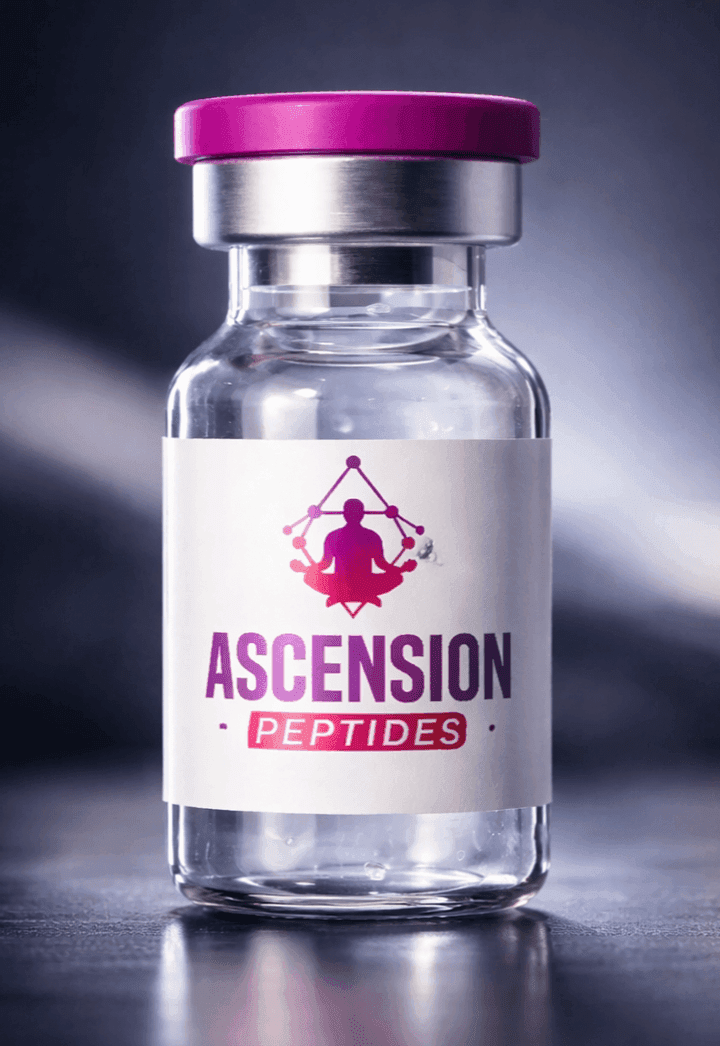
GHK-Cu for sale at $59.00 per 100mg / 3mL vial ($0.59/mg), with named-lab batch COAs. Bulk pricing, what a real vial looks like, and how to verify it.
More hubs
Keep moving through the peptide library.
Peptide Therapy
A beginner-friendly peptide therapy guide covering what peptides are, how they work, common types, benefits, risks, safety, and what to expect.
BPC-157
BPC-157 guide covering what it is, gut-healing claims, recovery claims, capsules, oral use, safety, regulation, and evidence quality.
MK-677
MK-677 guide covering ibutamoren, growth hormone and IGF-1, sleep, recovery, appetite, capsules, side effects, risks, and realistic expectations.
Peptide Capsules
Peptide capsules guide covering oral peptides, capsule safety, bioavailability, oral vs injectable differences, vendor quality, and buying questions.
Recovery Peptides
Peptides for recovery guide covering BPC-157, TB-500, GHK-Cu, Wolverine Stack, injury repair claims, evidence quality, safety, and realistic expectations.