GLP-1 nausea is common, especially when someone starts a medication, increases the dose, eats a large or high-fat meal, drinks alcohol, or gets dehydrated. It is usually manageable, but severe or persistent nausea should be taken seriously.
If tolerability is your priority, see which GLP-1 has the least side effects.
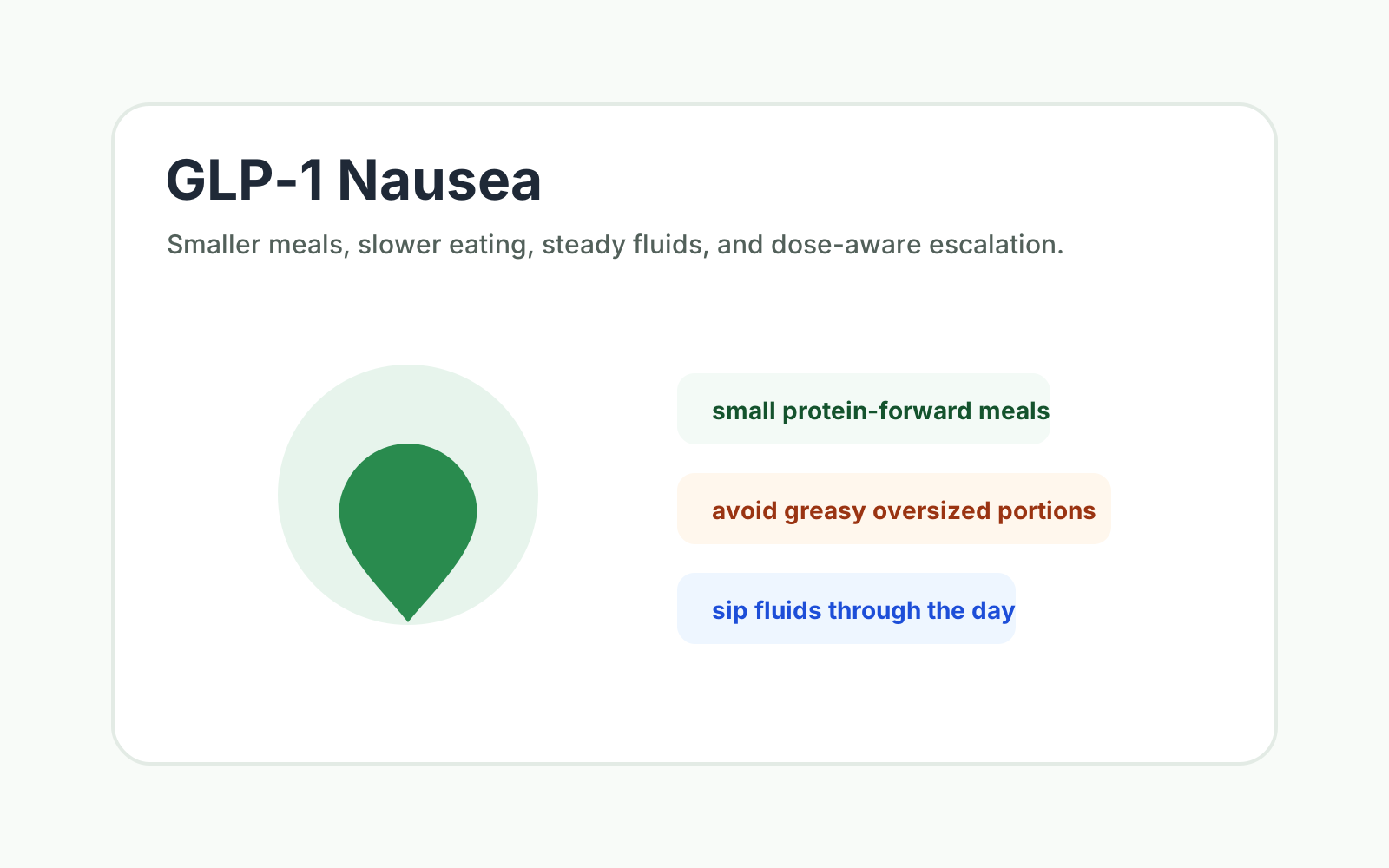
Direct answer: Start with smaller meals, eat slowly, favor bland protein-forward foods, avoid greasy meals and alcohol during sensitive weeks, sip fluids steadily, and talk with the prescriber before increasing the dose if nausea is not controlled. Seek medical care urgently for severe abdominal pain, repeated vomiting, dehydration, fainting, or symptoms that feel dangerous.
Quick Relief Checklist
| What to try | Why it helps |
|---|---|
| Smaller meals | Less stomach volume can reduce nausea when gastric emptying is slower |
| Lower-fat foods | High-fat meals often sit heavily and worsen symptoms |
| Protein first, but gentle | Eggs, yogurt, fish, chicken, tofu, or protein shakes may be easier than large mixed meals |
| Slow fluids | Sipping can prevent dehydration without overfilling the stomach |
| Pause dose escalation discussion | A higher dose may not be wise if the current dose is not tolerable |
| Call for red flags | Severe pain, repeated vomiting, or dehydration needs clinician input |
Why GLP-1 Medications Can Cause Nausea
GLP-1 and GIP/GLP-1 medications affect appetite and gut motility. Food may leave the stomach more slowly, hunger signals may quiet down, and the brain-gut system may react differently to meal size and fat load.
That is part of why these medications can help with weight management and blood sugar. It is also why a meal that used to feel normal may suddenly feel too large, too rich, or too slow to digest.
When Nausea Is Most Likely
Nausea often shows up:
- During the first few weeks of treatment
- After a dose increase
- After restarting too high following a gap
- After large meals
- After fried, greasy, or very rich foods
- With alcohol
- With constipation
- When hydration and electrolytes are low
The pattern matters. If nausea appears right after a dose increase, that is different from nausea with severe abdominal pain or repeated vomiting.
Managing Nausea On A GLP-1: Tips That Help Most People
Nausea is the most frequently reported adverse reaction on every drug in this class. The rates from the FDA labels are worth knowing before you decide your case is unusual:
| Medication (trial dose) | Nausea on drug | Nausea on placebo |
|---|---|---|
| Wegovy (semaglutide) 2.4 mg | 44% | 16% |
| Wegovy (semaglutide) 7.2 mg | 39% | 13% |
| Zepbound (tirzepatide) 5 / 10 / 15 mg | 25% / 29% / 28% | 8% |
| Ozempic (semaglutide) 0.5 / 1 mg | 15.8% / 20.3% | 6.1% |
| Mounjaro (tirzepatide) 5 / 10 / 15 mg | 12% / 15% / 18% | 4% |
Read down a column, not across the table. The Wegovy and Zepbound figures come from obesity trials, the Ozempic and Mounjaro figures from type 2 diabetes trials, with different populations and different escalation schedules, so these are not head-to-head comparisons.
Two facts from those same labels change how the symptom is managed:
- Most of it clusters around dose escalation and then fades. The Zepbound, Mounjaro and Ozempic labels all state that the majority of nausea, vomiting and diarrhea events occurred during dose escalation and decreased over time. Tirzepatide's effect on gastric emptying is described as greatest after the first 5 mg dose and diminished after subsequent doses.
- Very few people stop over it. In the Wegovy 2.4 mg trials, 44% reported nausea but only 1.8% discontinued because of it, versus 0.2% on placebo.
Timing matters too, and it surprises people. Semaglutide reaches its maximum concentration 1 to 3 days after the injection. Tirzepatide's median time to peak is 24 hours, with a range of 8 to 72 hours. If the worst day is two days after the shot rather than the evening of it, that is the pharmacology, not a coincidence.
What actually helps, in the order worth trying:
- Plan the plainest food for the 48 to 72 hours after a dose. Save the restaurant meal and the celebration dinner for the back half of the week, when drug levels are falling.
- Cut the fat before you cut the food. Dropping a fried side or a cream sauce usually buys more relief than skipping a meal, and it does not cost you protein.
- Eat five or six small occasions instead of three meals. Smaller volumes move through a slowed stomach more comfortably than a normal-sized plate.
- Drink between meals rather than during them. Fluid alongside a meal takes up space you need for protein. Sip steadily through the day instead.
- Treat constipation as a nausea problem. A backed-up gut makes fullness, bloating and nausea worse, and it is often the fixable half of the complaint.
- Consider moving the injection day, within the label's limits. The labels permit changing the day of weekly administration, with a minimum gap between doses: at least 72 hours for Zepbound, at least 48 hours for Ozempic. Landing the peak on a quiet day rather than a workday is a legitimate reason to ask.
- Do not stack a dose increase onto a week you cannot afford to feel bad in. Escalation is the highest-risk window; travel, exams and deadlines are reasons to ask about holding.
- Raise anti-nausea medication last, not first. It is a real option, but only after meal size, fat load, fluids, constipation and dose pace have been addressed.
Steps 1 through 5 are yours to run. Steps 6 through 8 belong to the prescriber.
What To Eat When Nauseous On A GLP-1
Aim for small, simple meals that are easy to tolerate:
| Better tolerated choices | Often harder choices |
|---|---|
| Greek yogurt, cottage cheese, eggs | Fried foods |
| Soup with lean protein | Heavy cream sauces |
| Smoothies or protein shakes | Large steaks or oversized meals |
| Rice, potatoes, toast, crackers | Alcohol |
| Banana, applesauce, berries | Very spicy meals |
| Chicken, fish, tofu, turkey | Big desserts or sugary drinks |
The goal is not to eat perfectly. The goal is to get enough fluid, protein, and calories while symptoms settle.
Hydration Matters More Than People Think
Nausea can make people drink less. Drinking less can make nausea, constipation, dizziness, and fatigue worse.
Use small sips through the day. If plain water feels unpleasant, try broth, electrolyte drinks, diluted sports drinks, herbal tea, or ice chips. People with kidney disease, heart failure, high blood pressure, or fluid restrictions should ask their clinician before using high-sodium electrolyte products.
Dose Questions To Ask
Do not increase the dose just because the calendar says it is time. Ask the prescriber:
- Should I hold this dose longer?
- Should I step down?
- Should I restart lower after a missed period?
- Could constipation be making nausea worse?
- Are any of my other medications contributing?
When To Call A Clinician
Call promptly for:
- Nausea that prevents normal hydration
- Repeated vomiting
- Dizziness, fainting, confusion, or very dark urine
- Severe or persistent abdominal pain
- Pain that moves to the back
- Fever, yellowing skin or eyes, or severe right-upper-abdominal pain
- Symptoms after accidentally taking too much medication
Internal Reading Path
FAQ
How long does GLP-1 nausea last?
Many people improve after the body adjusts, but timing varies. The tirzepatide and semaglutide labels both report that the majority of nausea, vomiting and diarrhea events happened during dose escalation and decreased over time, so the weeks right after each step up are usually the worst of it. Nausea that is severe, worsening, or preventing hydration needs clinician input.
Should I skip meals if I am nauseous?
Skipping a large meal may feel natural, but going too long without fluid or protein can backfire. Try small, bland, protein-containing options instead.
Does nausea mean the medication is working?
No. Nausea is a side effect, not proof of effectiveness. A tolerable plan is usually better than a dose that makes eating and drinking difficult.
Can anti-nausea medication help?
Sometimes, but ask the prescriber. The bigger question is why nausea is happening and whether the dose, meal pattern, constipation, or hydration needs adjustment.
How do I manage nausea on a GLP-1 without stopping the medication?
Most plans that work do the same five things: shrink the portion, drop the fat, spread food across five or six small eating occasions, sip fluids between meals rather than with them, and clear constipation. If nausea still limits eating or drinking after all five, the next lever is the dose itself, which means holding it longer or stepping down. That is a prescriber decision, not a self-adjustment.
Which GLP-1 causes the most nausea?
By label numbers alone, Wegovy 2.4 mg reports the highest rate at 44% versus 16% on placebo, and Mounjaro the lowest at 12% to 18% versus 4%. Those figures come from separate trial programs in different patient populations, so the ranking is not a fair comparison. Your dose and how fast you escalate matter more than the brand. See GLP-1 with the least side effects.
Why This Symptom Can Happen on GLP-1 Treatment
GLP-1 Nausea: Why It Happens and What Usually Helps usually needs to be understood in the context of delayed gastric emptying, appetite suppression, dose escalation, lower food intake, hydration changes, and other medications. GLP-1 and GIP/GLP-1 drugs can change how quickly food moves, how full someone feels, and how much they naturally eat or drink. Those changes can improve weight and glucose outcomes, but they can also create side effects when the dose, meal pattern, or hydration plan is not matched to the person's tolerance.
Symptoms often show up during the first few weeks or after a dose increase. They can also appear after a large meal, high-fat meal, alcohol, dehydration, constipation, or a long gap between meals. The timing is useful because it helps a clinician decide whether the symptom is likely dose-related, food-pattern related, or possibly unrelated to the medication.
First 24 to 48 Hours: What to Track
A useful symptom log does not need to be complicated. Record the dose date, dose strength, meals, fluids, bowel movements, alcohol, caffeine, exercise, and any other medications. Include severity from 1 to 10 and whether the symptom affects eating, drinking, sleeping, work, or exercise.
| Track this | Why it helps |
|---|---|
| Dose timing | Symptoms may peak after injection or escalation |
| Meal size and fat content | Large or greasy meals often worsen GI symptoms |
| Fluid intake | Dehydration can worsen headache, dizziness, constipation, and palpitations |
| Bowel pattern | Constipation can drive bloating, reflux, and abdominal pain |
| Blood sugar, if diabetic | Low or high glucose can mimic other symptoms |
| Red flags | Severe, persistent, or systemic symptoms need care |
Dose Escalation Questions
Many side effects become more disruptive when the dose is increased before the previous dose feels stable. Before moving up, it is reasonable to ask whether symptoms are mild and improving, whether protein and fluids are adequate, whether constipation is controlled, and whether work or daily function is being affected.
Do not adjust the dose independently. The practical question for the prescriber is whether to hold the current dose longer, step down, treat the symptom, review meal timing, or evaluate another cause.
Questions to Bring to the Prescriber or Pharmacist
- Does my current dose and timing match the official label or my prescription?
- Are my symptoms or concerns expected at this stage, or do they suggest changing the plan?
- Should I delay escalation, restart lower, hold steady, or be evaluated before continuing?
- Are any of my other medications increasing risk, especially insulin, sulfonylureas, blood pressure medication, diuretics, or drugs affected by delayed gastric emptying?
- What exact symptoms should make me call urgently or seek same-day care?
- If cost or supply interrupts therapy, what is the safest backup plan?
Bottom Line for GLP-1 Nausea: Why It Happens and What Usually Helps
The practical answer is rarely just one number, food list, or yes-or-no rule. For GLP 1 nausea, the safest approach is to combine the direct answer with the variables that change it: product type, dose, timing, side effects, storage history, other medications, and the person's medical context. When those variables are unclear, the best next step is to ask the prescriber or pharmacist before acting.
Additional Scenarios Readers Commonly Compare
| Scenario | How to think about it |
|---|---|
| Symptoms started after a dose increase | Treat escalation as a likely contributor and ask whether to hold the dose longer |
| The plan changed because of supply | Confirm whether a restart or lower dose is safer after the gap |
| Advice online conflicts with the label | Use the label, pharmacy, and prescriber as the authority |
| The medication is compounded | Verify concentration, BUD, storage, sterility, and dose instructions directly with the pharmacy |
| The goal is maintenance | Prioritize sustainable intake, resistance training, monitoring, and follow-up |
More FAQ
Why do different websites give different answers?
Most differences come from assuming different products, concentrations, patient goals, dose histories, or risk tolerance. A chart or tip can be mathematically correct but still wrong for a specific prescription.
What information should I keep in my notes?
Keep the medication name, dose, date taken, pharmacy label, concentration if vial-based, side effects, food and fluid changes, weight trend, and any clinician instructions. This makes follow-up safer and more specific.
When is it better not to troubleshoot at home?
Do not troubleshoot at home when symptoms are severe, rapidly worsening, involve chest pain or fainting, include repeated vomiting or dehydration, suggest allergic reaction, or involve a possible dosing or storage error.
References
- GLP-1 gastrointestinal adverse events review (PMC, NIH)
- Dietary management of GLP-1 gastrointestinal effects (PMC, NIH)
- GLP-1 receptor agonists: mechanism and physiology (StatPearls, NCBI)
- Wegovy (semaglutide) prescribing information (DailyMed, NIH)
- Zepbound (tirzepatide) prescribing information (DailyMed, NIH)
- Ozempic (semaglutide) prescribing information (DailyMed, NIH)
- Mounjaro (tirzepatide) prescribing information (DailyMed, NIH)