
GLP-1 Topic Hub
Tirzepatide: Uses, Brands, Side Effects, Dosage, and GLP-1 Guide
Tirzepatide is the active ingredient in Mounjaro and Zepbound, a dual GIP/GLP-1 medication used in prescription treatment contexts for type 2 diabetes and chronic weight management. Use this page to understand what tirzepatide is, how the brands differ, what side effects and warnings matter, and how it compares with semaglutide.
- Understand tirzepatide uses, Mounjaro, Zepbound, and weekly-injection context.
- Review side effects, warnings, dosage escalation, cost, and access questions.
- Compare tirzepatide with semaglutide, retatrutide, and similar GLP-1 drugs.
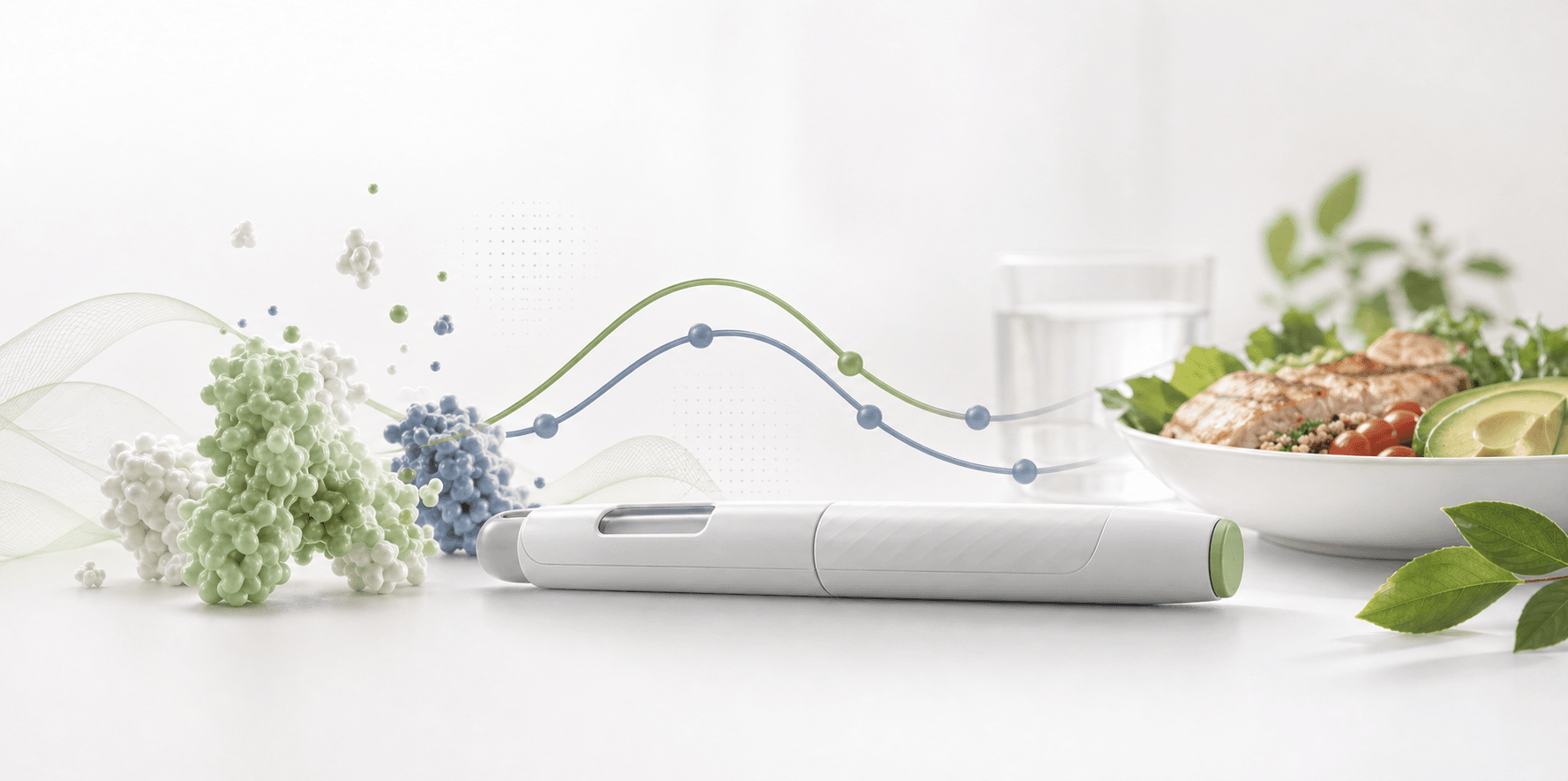
Tirzepatide quick reference
Tirzepatide basics: uses, brands, side effects, dosage, and warnings
Tirzepatide is a dual GIP/GLP-1 receptor agonist used in prescription medications for type 2 diabetes and chronic weight management. This section gives the direct reference-style answer first, then the hub continues with deeper guides.
Direct answer
Tirzepatide is the active ingredient in Mounjaro and Zepbound. It is a once-weekly injectable medication that targets both GIP and GLP-1 pathways, with brand-specific indications, dose escalation, side effects, warnings, and access rules.
Drug class
Dual GIP/GLP-1 receptor agonist
Tirzepatide activates GIP and GLP-1 receptor pathways, which is why it is usually compared with semaglutide.
Common brands
Mounjaro, Zepbound
Mounjaro is commonly discussed in type 2 diabetes care, while Zepbound is commonly discussed in chronic weight management.
Typical schedule
Weekly injection
Tirzepatide is generally discussed as a once-weekly injectable medication with gradual dose escalation.
Main safety theme
GI side effects and warnings
Nausea, vomiting, diarrhea, constipation, abdominal symptoms, gallbladder or pancreas warnings, and contraindications dominate safety questions.
Mounjaro
Weekly injection
Tirzepatide brand commonly discussed for type 2 diabetes and blood-sugar control.
Zepbound
Weekly injection
Tirzepatide brand commonly discussed for chronic weight management.
Uses and basics
Start here if the reader is asking what tirzepatide is and why it differs from GLP-1-only drugs.
Read tirzepatide basicsInternal guideDosage and titration
Dose escalation is central to tirzepatide searches because tolerability often changes when the dose increases.
See dosage contextInternal guideSide effects and comparisons
Readers often compare tirzepatide with semaglutide after checking side effects, results, and access.
Compare tirzepatideReference sections
Tirzepatide information people expect on one page
What tirzepatide is used for
Tirzepatide is discussed in type 2 diabetes and chronic weight-management contexts. The specific indication depends on the brand, prescribing label, and patient eligibility.
- Type 2 diabetes treatment context is usually tied to Mounjaro.
- Chronic weight-management context is usually tied to Zepbound.
- Eligibility, diagnosis, insurance coverage, and clinician screening determine the practical treatment path.
How tirzepatide works
Tirzepatide is not simply another semaglutide because it targets both GIP and GLP-1 receptor pathways.
- GLP-1 signaling is the familiar appetite, gastric-emptying, insulin, and glucagon pathway.
- GIP activity is the second incretin pathway that makes tirzepatide a dual agonist.
- This dual-pathway framing is why comparisons with semaglutide show up immediately after tirzepatide basics.
Dosage context
Tirzepatide dosing is usually framed around weekly injections and gradual escalation for tolerability.
- Starting low and increasing gradually is central to most public dosage questions.
- Dose increases can change appetite, nausea, constipation, reflux, and meal tolerance.
- The prescribed brand, treatment goal, and side-effect history affect dose decisions.
Common side effects
The common side-effect pattern is gastrointestinal and often dose-related, especially during initiation and escalation.
- Nausea, vomiting, diarrhea, constipation, stomach pain, reflux, and appetite suppression are common topics.
- Hydration and persistent vomiting or diarrhea deserve medical context because dehydration can become a risk.
- Symptoms that appear after dose increases should be discussed with the prescribing clinician.
Warnings and medication review
Tirzepatide needs clinician screening for contraindications, medication interactions, and risk factors before and during treatment.
- Pancreatitis, gallbladder symptoms, severe GI disease, kidney problems from dehydration, and thyroid-warning categories require careful review.
- Insulin or sulfonylurea use can change hypoglycemia risk and should be clinician-managed.
- Pregnancy plans, surgery plans, and other medications should be reviewed before treatment changes.
Cost and access context
Readers also want Mounjaro versus Zepbound coverage, coupons, telehealth, and compounded tirzepatide context.
- Coverage can differ by brand, diagnosis, insurance plan, and prior authorization.
- Savings programs and telehealth platforms can change the monthly cost conversation.
- Compounded tirzepatide claims need legal, pharmacy, and quality-control context.
Tirzepatide FAQ
Is tirzepatide the same as Mounjaro?
Tirzepatide is the active drug. Mounjaro is one brand name containing tirzepatide; Zepbound is another tirzepatide brand with a different treatment context.
Is tirzepatide a GLP-1?
Tirzepatide affects GLP-1 signaling but also targets GIP, so it is commonly described as a dual GIP/GLP-1 receptor agonist.
What is the main thing to watch when starting tirzepatide?
Tolerance during dose escalation is the main practical issue, especially nausea, appetite changes, constipation, reflux, hydration, and meal size.
How is tirzepatide different from semaglutide?
Semaglutide is GLP-1-only. Tirzepatide targets both GIP and GLP-1 pathways, which is why the two drugs are often compared.
Does tirzepatide come as a pill?
Public brand discussions center on weekly injectable tirzepatide, not an oral pill.
Dual-agonist map
How tirzepatide differs from classic GLP-1 drugs
Tirzepatide is usually compared with semaglutide because it works through two hormone pathways instead of one. This hub keeps the mechanism, dose, side effects, and access questions together.
Adds a second pathway
Tirzepatide activates GIP and GLP-1 receptors, which is the key reason it is discussed separately from semaglutide.
Titration drives tolerance
Most practical questions come down to starting low, increasing gradually, and watching appetite and stomach symptoms.
Brand and compounded paths differ
The access picture changes depending on prescriptions, telehealth, savings programs, and compounding status.
Learn the drug
Begin with what tirzepatide is and why Mounjaro and Zepbound appear in the same conversation.
Understand titration
Use the dosage and dosage chart guides to separate starting dose, maintenance dose, and escalation.
Place it against alternatives
Then compare tirzepatide with semaglutide and retatrutide so the category makes sense.
Quick distinction
Tirzepatide is not just another semaglutide.
Semaglutide is GLP-1 only. Tirzepatide combines GIP and GLP-1 activity, so comparison articles matter.
Compare tirzepatide vs semaglutideReading path
Start with these guides.
These are the core articles for this topic. Each card includes the main takeaway so readers know exactly why they are clicking.

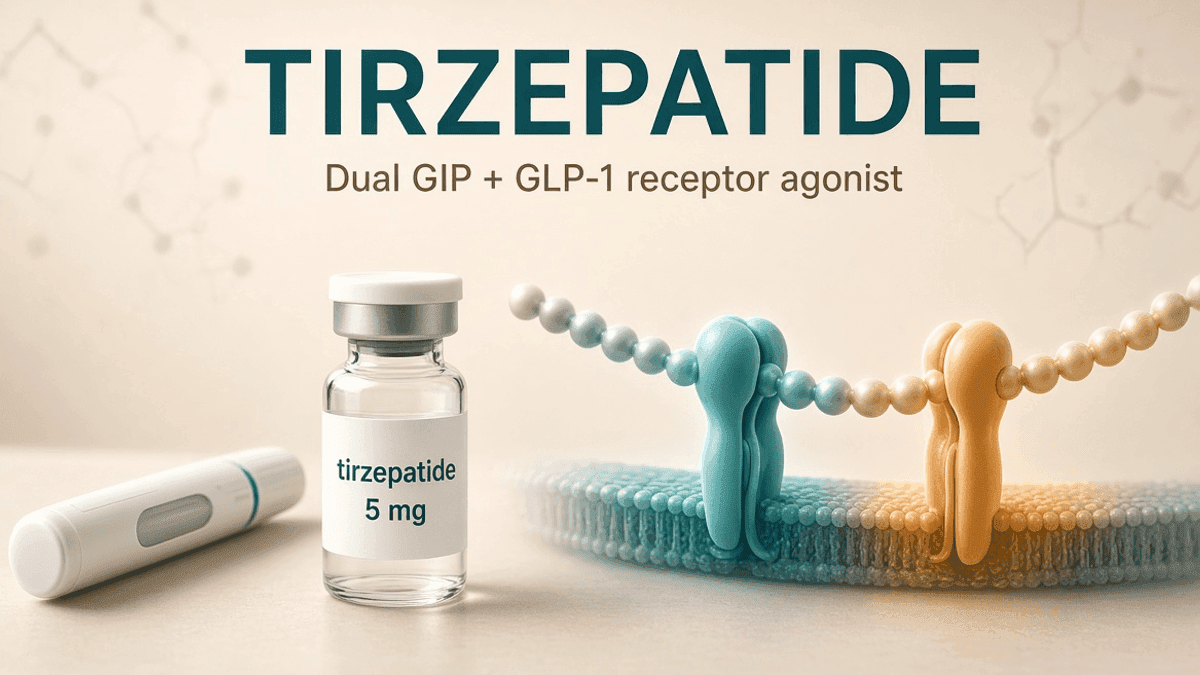
Tirzepatide (Mounjaro, Zepbound): Uses, Dosage, Side Effects and How It Works
Key takeaway
Defines tirzepatide as a dual agonist and explains why it is not simply another semaglutide.

Tirzepatide Dosage: The Complete Guide (2mg to 15mg)
Key takeaway
Explains the dose range and titration logic behind tirzepatide treatment.
Tirzepatide for Weight Loss: Results, Timeline & What to Expect
Key takeaway
Focuses on expected weight-loss timeline, results, and what changes over time.
Tirzepatide Side Effects: What to Expect and How to Manage Them
Key takeaway
Covers common tirzepatide side effects and practical ways readers think through tolerance.
Decision map
The tirzepatide questions readers usually have
These are the main branches: what it is, how to dose it, what side effects feel like, and how people access it.
Mounjaro
Tirzepatide brand commonly discussed in diabetes treatment.
Zepbound
Tirzepatide brand commonly discussed for weight management.
Compounded tirzepatide
Access topic with legal and pharmacy-specific context.
Semaglutide
The main comparison drug for results, tolerance, and cost.
Next
Deeper reading
Use these supporting articles to answer narrower questions after the core guides.
Tirzepatide Cost: What You'll Actually Pay in 2026
Breaks down what people may actually pay for tirzepatide across different access routes.
AccessWhere to Buy Tirzepatide: Vendors, Telehealth & What to Know
Explains the main ways people search for tirzepatide and the tradeoffs behind each route.
ComparisonTirzepatide vs Semaglutide: Which Is Better for Weight Loss?
Compares the main GLP-1 benchmark against tirzepatide for weight loss and tolerability.
GuideRetatrutide vs Tirzepatide: Which Is Stronger?
Retatrutide vs tirzepatide compared on phase 3 trial weight-loss data, triple vs dual receptor targets, side effects, dosing, and what you can actually get in 2026.
CompoundingCompounded Tirzepatide: What It Is, Legal Status & Where to Get It
Clarifies what compounded tirzepatide means and why legal status matters.
GuideTirzepatide Compounding Pharmacy: What Actually Happened and What's Left
Choosing a tirzepatide compounding pharmacy: 503A vs 503B, what is still legal post-shortage, the red flags that signal danger, and the safety checks worth running.
GuideTirzepatide Half Life: How Long It Stays in Your System
Tirzepatide has a ~5-day half-life — meaning a single dose fully clears in 25-30 days. What that means for missed-dose math, drug stacking, and discontinuation.
GuideTirzepatide Dosage Chart: Week-by-Week Titration Schedule
Tirzepatide dosage chart, week by week: from 2.5mg in week 1 to 15mg by week 21 — when to step up, when to hold, and what most people misread on the schedule.
GuideTirzepatide for Sale: What Is Actually Legal to Buy in 2026
No licensed seller offers tirzepatide for sale without a prescription, because every FDA-approved tirzepatide product is a prescription-only injection. Here are the four real routes, what each costs in 2026, and how to read a scam listing.
GuideCheapest Tirzepatide in 2026: Every Route Ranked by Real Price
The cheapest tirzepatide is $25 a fill with the right insurance and Lilly's card. Cash payers: compounded from ~$146/month, LillyDirect Zepbound vials at $299-$449, SingleCare at $408.68 — and a $1,100/month Mounjaro trap to step around.
GuideTirzepatide Online (2026): Every Legit Source, Priced and Ranked
There are three legitimate ways to buy tirzepatide online in 2026 — LillyDirect's $299-$449 Zepbound vials, telehealth platforms that now route to brand, and a shrinking 503A compounding lane — plus a $60-$150/vial grey market that isn't a pharmacy at all.
GuideTirzepatide Provider Cost: What Each Route Actually Charges
Tirzepatide provider cost compared across telehealth, LillyDirect, insurance, retail cash and clinics: what each charges, what is bundled, where fees hide.
More hubs
Keep moving through the GLP-1 library.
Semaglutide
Semaglutide uses, Ozempic, Wegovy, Rybelsus, dosage context, side effects, safety warnings, and GLP-1 comparisons.
Retatrutide
Retatrutide mechanism, clinical trial data, benefits, dosage context, side effects, availability, cost, and comparisons.
Side Effects
GLP-1 side effects, nausea, vomiting, diarrhea, constipation, fatigue, reflux, red flags, long-term risks, and management tips.
Cost and Access
Coupons, savings programs, prescriptions, telehealth, OTC claims, compounding, and drug-specific cost guides.
Diet and Body Composition
Diet, fat loss, muscle retention, protein, plateaus, PCOS, women-specific context, and long-term weight management.
Drug List
Approved GLP-1 products, receptor agonists, analogues, diabetes drugs, new drugs, and manufacturer guides.