
Tirzepatide is a prescription medicine, and that one fact settles most of this question. The legitimate ways to buy it are your own doctor, Eli Lilly's direct self-pay channel, or a telehealth clinic that puts a licensed prescriber and a licensed compounding pharmacy between you and the vial. There is also a grey market selling the raw molecule with no prescriber attached, and it deserves an honest description rather than a recommendation.
Key Takeaways
- Tirzepatide requires a prescription. Every legitimate purchase route starts with a licensed prescriber, whether that is your own physician or a telehealth clinician
- Telehealth plus a licensed compounding pharmacy is the most practical route for most people who want personal treatment. SkinnyRx is our telehealth partner and our lead recommendation here, and yes, that link pays us. The full disclosure is below
- Brand-name tirzepatide is far cheaper than it was. Lilly's self-pay channel now lists Zepbound at $299 to $449 per month depending on dose, which is a fraction of the retail cash price and changes the old cost argument entirely
- Compounded tirzepatide is not FDA-approved. The active ingredient is approved; the compounded finished product is not, and no honest seller will tell you otherwise
- The compounding rules changed and have not changed back. FDA declared the tirzepatide shortage resolved in December 2024 and ended its enforcement discretion for compounders in early 2025. What survives is narrower and still contested in court
- Grey-market peptide vendors sell tirzepatide labeled for research with no prescription and no clinician. For a prescription drug you intend to inject, that is the wrong end of the market, whatever the sticker price says
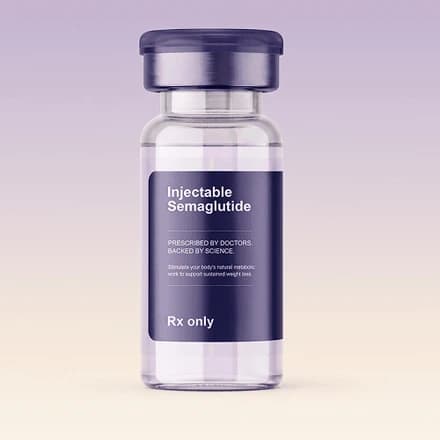
If you are still working out what the drug is and how it differs from semaglutide, start with our tirzepatide guide and come back here once you know which product you actually want. This page is only about sourcing: who legitimately sells tirzepatide, what each route costs as of July 2026, where the law currently sits, and which sellers to walk away from.
Start Here: Telehealth With a Licensed Prescriber and Pharmacy
Affiliate disclosure, placed above the recommendation on purpose
Middleway Nutrition earns a commission if you start treatment through the SkinnyRx links on this page. SkinnyRx is the only monetized recommendation in this article's main advice, and it is named as our partner rather than presented as a neutral survey result. The research-peptide vendor mentioned much further down also pays us commission, and it is deliberately not the recommendation for this compound.
What the commission does not buy is a softened description. SkinnyRx offers compounded semaglutide and tirzepatide, plus FDA-approved options such as Wegovy and Foundayo through its SkinnyRx Membership. Compounded medicines are not FDA-approved as finished products and are not generic versions of brand-name drugs, and SkinnyRx says so itself on its own site. If you want an FDA-approved finished product, the brand-name section below is the honest answer and it earns us nothing.
For most people who want tirzepatide for their own weight management, the sensible route is a telehealth clinic: you complete an intake, a licensed US clinician reviews it, and if treatment is appropriate a prescription goes to a licensed pharmacy that ships to your door. You get a prescriber, a real pharmacy, and a record, which is the entire difference between medicine and a vial off the internet.
SkinnyRx is the telehealth partner we work with, and it is our lead recommendation for this route.
- Compounded tirzepatide and semaglutide, each as a once-weekly injection or a once-daily tablet. Promotions change often, so check the current price on their site at the dose you expect to reach, not just the entry offer.
- Prescribed online, if you are eligible. A licensed provider reviews your medical intake and decides whether prescription treatment is appropriate for you
- FDA-approved options too. Wegovy and Foundayo (orforglipron) are available through the SkinnyRx Membership if you would rather stay on an approved product
- Ongoing support, with clinician-guided care and digital tools rather than a one-off prescription
- Not FDA-approved as a finished product. SkinnyRx's own disclaimer says compounded drugs are not FDA-approved or evaluated for safety, effectiveness or quality by the FDA, which is more than several of its competitors manage
👉 See if you are eligible and start the intake (affiliate link)
What to verify before you sign up with any telehealth clinic, including this one:
- Is the prescriber licensed in your state, and are they named?
- Does the clinic name its pharmacy and that pharmacy's licensing status?
- Is the product compounded or brand? If compounded, does the clinic say clearly that compounded medicines are not FDA-approved?
- What happens if you are declined after paying? Is there a refund policy in writing?
- Is the advertised price the first-month promotional rate, the lowest dose, or the ongoing price at the dose you will actually reach?
That last one catches most people. Starting prices across this market clustered roughly between $150 and $400 per month as of July 2026, but a large share of the low numbers are introductory or lowest-dose rates. Read the plan terms, not the banner. Other clinics operating in this space include Willow, MEDVi, TrimRx, Peak Wellness and Henry Meds; we have not independently verified their current pricing, so check it at the source rather than trusting any figure quoted in an article, including ours.
More detail on the product itself is in our compounded tirzepatide explainer, and our wider GLP-1 telehealth overview covers how these clinics operate.
Brand-Name Tirzepatide: Mounjaro and Zepbound
If you want an FDA-approved finished product, this is the only route that gives you one. Eli Lilly markets tirzepatide under two names:
- Mounjaro, FDA-approved for type 2 diabetes management
- Zepbound, FDA-approved for chronic weight management in obesity, or overweight with a weight-related condition
Both contain the same active ingredient at the same doses. The difference is the approved indication, which is what drives insurance coverage.
How to get it: see your primary care doctor or an endocrinologist. If you qualify, they write a prescription and you fill it at any retail or specialty pharmacy: CVS, Walgreens, Walmart, Costco or Amazon Pharmacy.
What it costs, as of July 2026:
- Self-pay through LillyDirect. Lilly's own site lists Zepbound self-pay at $299 for 2.5 mg, $399 for 5 mg and $449 for 7.5 mg and above, on the condition that you are paying cash, are not seeking insurance reimbursement, and refill within 45 days. Let the refill window lapse and the discounted tier can be lost, so treat the 45 days as part of the price
- With commercial insurance that covers it. Lilly's savings card can bring Zepbound or Mounjaro down to as little as $25 per fill for eligible commercially insured patients, subject to monthly and annual caps
- With commercial insurance that does not cover Mounjaro. Lilly's Mounjaro savings card lists a rate as low as $499 for a one-month fill for eligible patients
- Retail cash, no program applied. Roughly $1,000 to $1,300 per month, depending on pharmacy and dose tier. This is the number older articles quote as "the price of tirzepatide", and for anyone using the self-pay channel it is no longer the relevant one
- Medicare and Medicaid patients are excluded from the manufacturer savings programs, and Medicare Part D does not cover drugs prescribed purely for weight loss
The gap between brand and compounded has narrowed sharply. At $299 to $449 for an FDA-approved product from the manufacturer, brand-name Zepbound is now genuinely competitive with compounded telehealth pricing, and it is worth pricing both before you commit. Our tirzepatide cost breakdown compares them dose by dose.
Compounding Pharmacies and Why the Rules Changed
A compounding pharmacy prepares a medicine from its component ingredients, typically for a patient who cannot use the standard commercial product, or during a documented shortage. Tirzepatide compounding grew into a large industry because tirzepatide spent a long stretch on FDA's shortage list. That period is over.
The short history:
- 2022 to 2023: Mounjaro repeatedly backordered; compounders step in under the shortage exemption
- 2023: FDA approves Zepbound for obesity; supply is still tight
- October to December 2024: FDA determines the tirzepatide shortage is resolved, and affirms that decision in December after review
- February to March 2025: FDA's enforcement discretion for compounded tirzepatide ends, for state-licensed 503A pharmacies in February and for 503B outsourcing facilities in March. Industry litigation follows
- 2025 to 2026: courts have so far upheld FDA's shortage determination, with appeals continuing, and in 2026 FDA moved to formally exclude the major GLP-1 molecules from bulk compounding lists
503A versus 503B, the short version:
- 503A: state-licensed pharmacies preparing patient-specific prescriptions for individual patients
- 503B: FDA-registered outsourcing facilities allowed to compound in batches and sell to practitioners
Where that leaves things. Bulk 503B compounding of tirzepatide is no longer available the way it was during the shortage. What continues is patient-specific compounding by 503A pharmacies under state pharmacy law, which is how telehealth clinics still dispense compounded tirzepatide today, and that route remains legally contested rather than settled. We are describing the general shape of the position rather than asserting how it applies in your state, because it varies and it has moved more than once. If a seller tells you the compounding question is simply settled in their favor, that alone is a reason to check their other claims.
Two things are not in dispute and are worth holding onto. Compounded tirzepatide is not FDA-approved as a finished product, and any seller claiming otherwise is making a claim FDA has publicly warned about. And you cannot order from a compounding pharmacy directly; they fill prescriptions written by your own doctor or by a telehealth clinician.
Grey-Market Research Peptide Vendors
Here is the part most buying guides either hide or quietly monetise. A parallel market sells tirzepatide acetate as a research peptide, no prescription required, usually as a lyophilized powder needing reconstitution before use.
We are not going to pretend this market does not exist, and we are not going to recommend it for this compound. Tirzepatide is a prescription medicine because dose escalation, contraindications and side effect monitoring genuinely need a clinician. Buying it as a research chemical strips out the prescriber, the pharmacy, the labeling and the recourse, and it does so to save an amount of money that has shrunk considerably now that brand self-pay starts at $299 and telehealth competes with that.
What you are accepting if you go this route:
- Unknown purity and identity unless batch-specific third-party testing exists and you actually read it
- Dose calculation entirely on you. Converting a vial concentration into an injection volume is arithmetic performed on a drug where an error can cause severe hypoglycemia or other serious harm. There is no pharmacist checking your math
- No medical oversight, so no one is screening you for contraindications or watching for adverse reactions
- Legal exposure that varies by jurisdiction, and customs risk on imports
- No recourse. There is no pharmacy board to complain to
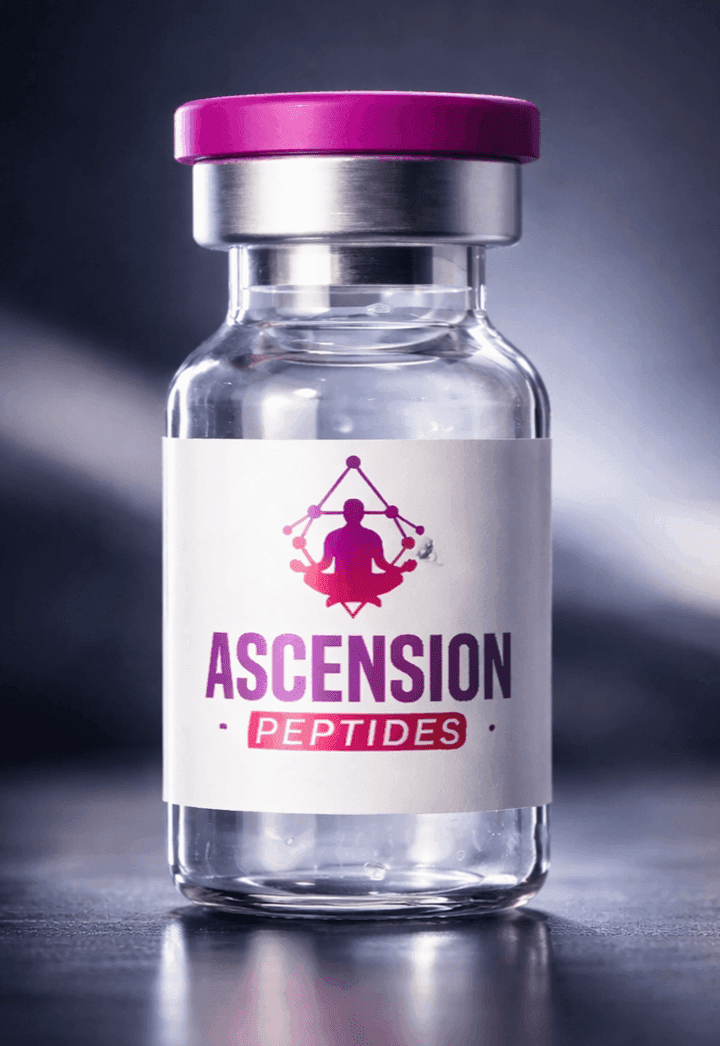
If you have weighed all of that and are buying in this market anyway, the only thing that separates a serious vendor from a dangerous one is documentation: batch-specific certificates of analysis, third-party HPLC reports with an actual chromatogram, real lot numbers, and sterility and endotoxin testing for anything injectable. Ascension Peptides, which lists tirzepatide as T-10 and T-30, is one of the vendors that publishes per-batch third-party testing rather than a single sitewide sample document, which is the minimum bar; that is a comment on their paperwork, not an endorsement of buying prescription medicines this way. We also earn commission on that link. For a prescription drug, the telehealth route above is the recommendation.
How to Verify Quality: COA, HPLC and What to Look For
Whether you are dealing with a compounding pharmacy or a peptide vendor, do not skip verification.
Certificate of Analysis (COA)
- Issued by the manufacturing or testing lab
- Lists purity percentage, batch number, molecular weight confirmation and absence of contaminants
- Should be dated and traceable to a specific lot
- Red flag: no batch number, no date, or generic formatting reused across products
HPLC report (high-performance liquid chromatography)
- An analytical test that separates and measures the compound in a sample
- Confirms identity and purity more rigorously than a seller's own summary
- Should show a chromatogram, not just a percentage
- Best practice: a third-party laboratory, not testing performed by the seller
Also check:
- Sterility testing, which matters for anything injectable
- Endotoxin testing, since bacterial toxins can cause fever and serious illness
- Batch-specific documents rather than one sample report shown sitewide
- Whether the document can be confirmed at the issuing laboratory rather than only on the seller's own site
Red Flags to Avoid
| Red Flag | What It Tells You |
|---|---|
| No COA, or only a generic sitewide "sample" report | Quality unverified |
| Prices far below the rest of the market | Something was skipped, and testing is the cheapest thing to skip |
| No physical address or contact details | No accountability |
| "Ships from overseas" with no import documentation | Customs seizure risk plus unverified product |
| No batch numbering system | No traceability |
| A telehealth site that will not name its pharmacy | Hiding its sourcing |
| Claiming FDA approval for a compounded product | False. Compounded drugs are not FDA-approved |
| A "clinic" with no real intake or prescriber review | Not a medical practice |
| Any seller telling you the compounding rules are simply settled | They are not, and the seller knows it |
Cost Comparison by Source
| Source | Est. Monthly Cost (July 2026) | Legal Status | Quality Assurance | Rx Required | Medical Oversight |
|---|---|---|---|---|---|
| Telehealth + compounded (e.g. SkinnyRx) | Varies by provider and promotion; check current pricing | ⚠️ Legal, via patient-specific compounding, contested | Licensed pharmacy, not FDA-approved as a finished product | Yes, issued online | Yes, telehealth prescriber |
| Brand self-pay (LillyDirect, Zepbound) | $299–$449 | ✅ Fully legal | FDA-approved manufacturing | Yes | Yes, prescriber |
| Brand at retail pharmacy | $25 with covered insurance, up to roughly $1,300 cash | ✅ Fully legal | FDA-approved manufacturing | Yes | Yes, your own doctor |
| Grey-market peptide vendor | Varies widely by vendor and vial size | 🔴 Grey area, unregulated | Only what the vendor chooses to publish | No | None |
Prices move, promotional rates expire and dose tier changes what you pay, so confirm the current figure at the source before you buy. See our tirzepatide dosage guide for how dose tier affects the total.
Frequently Asked Questions
Can I buy tirzepatide without a prescription?
Not legitimately. Licensed pharmacies and telehealth clinics both require a prescription, and telehealth simply moves the prescriber online rather than removing them. Grey-market peptide vendors sell it without one, but you are then outside regulated medical channels and carrying the full quality, safety and legal risk yourself.
Is compounded tirzepatide the same as Mounjaro or Zepbound?
The active molecule is the same, but the finished product is not the same thing. Compounded tirzepatide is prepared by a pharmacy rather than manufactured by Eli Lilly, and it is not FDA-approved as a finished product. Quality depends on the compounding pharmacy's standards, which is why the pharmacy's identity and licensing matter more than the clinic's marketing.
Is compounded tirzepatide still legal in 2026?
The position is narrower than it was and it is still contested. FDA declared the tirzepatide shortage resolved at the end of 2024 and ended its enforcement discretion for compounders in early 2025, and bulk 503B compounding of tirzepatide is no longer available as it was during the shortage. Patient-specific compounding by state-licensed 503A pharmacies is how telehealth clinics still dispense it, litigation and rulemaking have continued through 2026, and the details vary by state. Verify the current position with the clinic and your own pharmacist rather than relying on any article's summary, including this one.
What is the cheapest legitimate way to get tirzepatide?
If your commercial insurance covers it, the manufacturer savings card is the cheapest route by a wide margin. If it does not, compare Lilly's self-pay pricing for brand Zepbound against telehealth compounded pricing, because the two are now much closer than they were, and the brand product is FDA-approved. See our tirzepatide cost breakdown for a full comparison.
Can I use insurance for tirzepatide?
Mounjaro, with the diabetes indication, has broader insurance coverage. Zepbound, with the obesity indication, is covered inconsistently and many plans still exclude weight-loss drugs. Compounded tirzepatide is almost never covered. Medicare Part D does not cover drugs prescribed purely for weight loss, and Medicare and Medicaid patients are excluded from manufacturer savings cards.
Why do you recommend telehealth over a peptide vendor for tirzepatide?
Because tirzepatide is a prescription medicine and the prescriber is not optional overhead. Dose escalation, contraindication screening and side-effect monitoring are the reason the prescription exists. The price gap that used to justify the grey market has also narrowed a great deal now that brand self-pay starts at $299 per month and compounded telehealth competes with it.
Are there tirzepatide tablets or oral versions?
Oral tirzepatide has been in development, and some compounders and telehealth platforms offer oral formulations. Those are not FDA-approved in oral form, and the bioavailability evidence is thin next to the injectable. Treat an oral compounded product as less well characterized, not as a more convenient equivalent.
Ready to Source Tirzepatide?
If you want tirzepatide for your own weight management, start with a telehealth clinic that names its prescriber and its pharmacy, or price brand Zepbound through Lilly's self-pay channel and compare the two. Those are the routes with a clinician attached, and one of them gives you an FDA-approved product.
Start the SkinnyRx intake → (affiliate link, we earn a commission)
Disclaimer: This article is for informational purposes only and does not constitute medical advice, and nothing here should be read as dosing guidance. Tirzepatide is a prescription medication. Compounded medications are not FDA-approved as finished products, and the regulatory position on compounded GLP-1 medicines has changed repeatedly; verify the current rules with a licensed healthcare provider before purchasing. Grey-market peptide vendors operate outside the FDA-regulated pharmaceutical supply chain, and quality and legal status vary. Prices quoted were checked in July 2026 and change frequently. Always consult a physician before starting any injectable treatment.
References
- Tirzepatide. StatPearls [Internet]. NCBI Bookshelf. NBK585056
- FDA's Concerns with Unapproved GLP-1 Drugs Used for Weight Loss. U.S. Food and Drug Administration. FDA
- Zepbound Coverage & Savings. Eli Lilly and Company. Self-pay pricing checked July 2026. zepbound.lilly.com
- Mounjaro Savings & Resources. Eli Lilly and Company. Savings card terms checked July 2026. mounjaro.lilly.com